Engineered Carbon Dioxide Removal (CDR)
Capturing carbon dioxide emissions and permanently removing them from the atmosphere
What’s the challenge?
Human activity has increased carbon dioxide concentrations in Earth’s atmosphere – to the highest levels in 800,000 years according to NASA – driving global warming and the resulting climate crisis. Preventing catastrophic damage to communities, economies and ecosystems worldwide means not only cutting emissions drastically but also removing the carbon dioxide already in the atmosphere.
Carbon dioxide removal (CDR) can be particularly useful in tackling “hard to abate” emissions, which typically come from sectors such as heavy industry, aviation, and shipping and cannot be easily prevented using current technologies.
Although CDR must be accompanied by huge emission reductions across all sectors, the Intergovernmental Panel on Climate Change’s Sixth Assessment Report states that “the deployment of CDR to counterbalance hard-to-abate residual emissions is unavoidable if net zero CO2 or Greenhouse Gas (GHG) emissions are to be achieved”. In short, all modelled pathways to achieve ambitious climate targets require the deployment of CDR.
CDR currently represents less than 1% of the voluntary carbon market by issued volume – but it is responsible for a considerable volume of forward sales (agreements to sell credits that will be generated in the future) and its market share is expected to expand significantly in the coming years.
How are CDR credits generated?
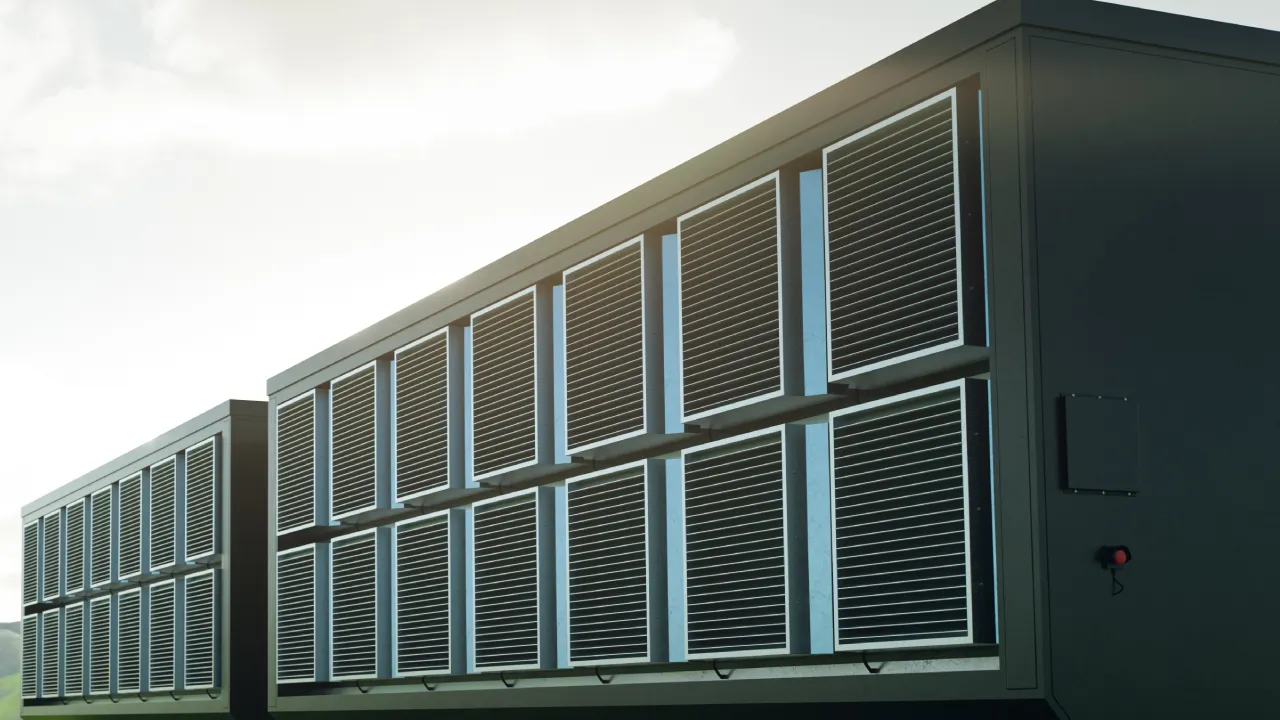
Engineered CDR refers to technologies that capture carbon dioxide from a source – such as a power plant, or directly from the air – and then store it in a stable form such as underground reservoirs, or durable products.
Unlike natural approaches for removing CO2 such as afforestation or reforestation, or semi-natural methods such as biochar, engineered CDR relies on man-made processes that go beyond what occurs in nature. Examples of engineered CDR include Direct Air Capture with Carbon Storage (DACCS), or Bioenergy with Carbon Capture and Storage (BECCS).
DACCS removes carbon dioxide directly from the atmosphere and stores it deep underground in geological formations. Despite being an emerging technology, 27 DAC plants have been commissioned to date around the globe, capturing almost 0.01 Mt CO2/year. One benefit of DAC facilities is that they do not need to compete with agriculture for arable land. However, they require significant energy to extract non-concentrated carbon dioxide from the atmosphere, making proximity to clean energy sources essential and contributing to high operational costs.
Revenue from carbon credit sales provides a financial incentive for scaling DAC projects, helping cover capital expenditures and ongoing operational costs. As demand for engineered CDR solutions grows – particularly from sectors with hard-to-abate emissions – carbon credits can become a key mechanism to accelerate DAC deployment globally.
BECCS differs in capturing and storing the carbon dioxide released when biomass is burnt for energy or converted into fuel. Biomass can refer to dedicated energy crops or by-products like wood waste, agricultural residues or compost.
Burning biomass is potentially carbon neutral, since the plants absorb carbon dioxide during their lifetime. However, when the carbon emissions released during combustion are stored underground in mountains or other geological formations, the process becomes carbon negative – which means the system actively removes more CO₂ from the atmosphere than it emits, delivering a net reduction in global greenhouse gases.
Other CDR techniques include accelerated carbonation of concrete aggregate. This method locks carbon dioxide into crushed concrete by exposing it to concentrated carbon dioxide. This process is called carbonation, and permanently stores the carbon while producing reusable materials for the construction industry.
Co-benefits of CCP-Approved CDR carbon credits
Carbon credits generated through CDR processes do not just remove emissions – they can deliver valuable co-benefits that support sustainability and innovation.
These include:
- Clean fuels and energy: BECCS is unique among CDR methodologies in that it also generates clean energy through the combustion of sustainably sourced biomass. It can also play a valuable role in decarbonising the heavy industry and transport sectors, since bioenergy – which encompasses liquid, gaseous and solid fuels – provides high-temperature heat and fuels compatible with existing combustion engines.
- Utilisation of captured carbon dioxide: Although most carbon sequestered during DACCS is permanently stored, some can be also used to produce building materials (such as concrete and cement), chemicals, and textiles. This offers an alternative to carbon dioxide sourced from the combustion of fossil fuels.
- Circularity in the built environment: Accelerated carbonation of concrete aggregate reuses concrete waste, reducing the need for raw resource extraction and providing a sustainable substitute for conventional construction materials.
High-integrity, CCP-Approved CDR methodologies
The Integrity Council assesses methodologies against its Core Carbon Principles (CCPs) – a global threshold for high-integrity carbon credits. The following CDR methodologies meet these rigorous standards, and are approved by the Integrity Council:
| Category | Program | Methodology and Version(s) | Assessment Type | Assessment in progress | Preparing draft report and recommendation | Scheduled for Governing Board Consideration | Decision & Informal Board Observations |
|---|---|---|---|---|---|---|---|
| Afforestation, Reforestation and Revegetation and Agroforestry | ACR | ACR Afforestation and Reforestation of Degraded Lands, v 1.0-1.2 | MSWG 2 |  | | | CCP-Approved Board Observations |
| Afforestation, Reforestation and Revegetation and Agroforestry | Climate Action Reserve (CAR) | CAR Mexico Forest Protocol - ARR, v 2.0 - 3.0 | Internal Assessment | | | ||
| Afforestation, Reforestation and Revegetation and Agroforestry | Gold Standard | GS Afforestation/Reforestation (A/R) GHG Emissions Reduction & Sequestration Methodology, v 2.1 | MSWG 2 | | |||
| Afforestation, Reforestation and Revegetation and Agroforestry | Gold Standard | GS Sustainable Management of Mangroves, v 1.0 | Internal Assessment | | | ||
| Afforestation, Reforestation and Revegetation and Agroforestry | Isometric | ISM Agroforestry, v 1.0 | Internal Assessment | | |||
| Afforestation, Reforestation and Revegetation and Agroforestry | Isometric | ISM Mangrove Restoration, v 1.0 | Internal Assessment | | |||
| Afforestation, Reforestation and Revegetation and Agroforestry | Isometric | ISM Reforestation, v 1.1 | Internal Assessment | | | | CCP-Approved Board Observations |
| Afforestation, Reforestation and Revegetation and Agroforestry | Verified Carbon Standard | VM0047 Afforestation, Reforestation, and Revegetation, v 1.0 | MSWG 2 | | | | CCP-Approved Board Observations |
| Afforestation, Reforestation and Revegetation and Agroforestry | Verified Carbon Standard | VM0047 Afforestation, Reforestation, and Revegetation, v 1.1 | Internal Assessment | | | | CCP-Approved |
| Afforestation, Reforestation and Revegetation and Agroforestry | Equitable Earth | M001 - Quantification Methodology for Terrestrial Forest Restoration, v 1.2 | Internal Assessment | | | ||
| Avoided Grassland Conversion | Climate Action Reserve (CAR) | CAR Canada Grassland, v 1.0 | MSWG 2, Withdrawn | ||||
| Avoided Grassland Conversion | Climate Action Reserve (CAR) | CAR U.S. Grassland Protocol, v 2.1 | MSWG 2, Withdrawn | ||||
| Biochar | Climate Action Reserve (CAR) | CAR U.S. and Canada Biochar, v 1.0 | MSWG 6 | | | | CCP-Approved Board Observations |
| Biochar | Isometric | Biochar Production and Storage, v 1.0 | MSWG 6 | | | | CCP-Approved Board Observations |
| Biochar | Isometric | Biochar Production and Storage, v 1.1-1.2 | Internal Assessment | | | | |
| Biochar | Puro.earth | Biochar Methodology_2022, v 3.0 | MSWG 6 | | |||
| Biochar | Puro.earth | Biochar Methodology_2025, v 2.0 | Internal Assessment | | |||
| Biochar | Verified Carbon Standard | VM0044 Methodology for Biochar Utilization in Soil and Non-Soil Applications, v 1.0-1.1 | MSWG 6, Withdrawn | ||||
| Biochar | Verified Carbon Standard | VM0044 Methodology for Biochar Utilization in Soil and Non-Soil Applications, v 1.2 | MSWG 6 | | | | CCP-Approved Board Observations |
| Biodigesters (household) | Gold Standard | AMS-I.E. - Switch from non-renewable biomass for thermal applications by the user, v 1.0-13.0 | MSWG 5 | | | | Does not meet Board Observations |
| Biodigesters (household) | Gold Standard | AMS-I.I. - Biogas/biomass thermal applications for households/small users, v 1.0-6.0 | MSWG 5 | | | | Does not meet Board Observations |
| Biodigesters (household) | Gold Standard | GS Methodology for Animal Manure Management and Biogas Use for Thermal Energy Generation, v 1.0-1.1 | MSWG 5 | | | | CCP-Approved Board Observations |
| Biodigesters (household) | Verified Carbon Standard | AMS-I.E. - Switch from non-renewable biomass for thermal applications by the user, v 1.0-13.0 | MSWG 5 | | | | Does not meet Board Observations |
| Carbon Dioxide Removals | Gold Standard | GS Carbon mineralisation using reactive mineral waste, v 2.0 | Internal Assessment | | | ||
| Carbon Dioxide Removals | Gold Standard | GS Carbon Sequestration Through Accelerated Carbonation Of Concrete Aggregate , v 1.0 | MSWG 6 | | | | CCP-Approved Board Observations |
| Carbon Dioxide Removals | Gold Standard | GS Methodology for Biomass Fermentation with Carbon Capture and Geologic Storage, v 1.0 | MSWG 6, Withdrawn | ||||
| Carbon Dioxide Removals | Gold Standard | GS Methodology for Biomass Fermentation with Carbon Capture and Geologic Storage, v 2.0 | Internal Assessment | | | ||
| Carbon Dioxide Removals | Isometric | Bio-oil Geological Storage, v 1.0-1.1 | MSWG 6 | | | | CCP-Approved Board Observations |
| Carbon Dioxide Removals | Isometric | Biogenic Carbon Capture and Storage, v 1.0 | MSWG 6, Withdrawn | ||||
| Carbon Dioxide Removals | Isometric | Biogenic Carbon Capture and Storage, v 1.1 | MSWG 6 | | | | CCP-Approved Board Observations |
| Carbon Dioxide Removals | Isometric | Biomass Geological Storage, v 1.0-1.1 | MSWG 6 | | | | CCP-Approved Board Observations |
| Carbon Dioxide Removals | Isometric | Direct Air Capture, v 1.0 | MSWG 6, Withdrawn | ||||
| Carbon Dioxide Removals | Isometric | Direct Air Capture, v 1.1 | MSWG 6 | | | | CCP-Approved Board Observations |
| Carbon Dioxide Removals | Isometric | Subsurface Biomass Carbon Removal and Storage, v 1.0 | MSWG 6 | | | | CCP-Approved Board Observations |
| Carbon Dioxide Removals | Puro.earth | Carbonated Materials_2022, v 3.0 | MSWG 6 | | |||
| Carbon Dioxide Removals | Puro.earth | Geologically Stored Carbon_2024, v 1.0 | MSWG 6 | | |||
| Carbon Dioxide Removals | Puro.earth | Terrestrial Storage of Biomass_2023, v 1.0 | MSWG 6 | | |||
| Carbon Dioxide Removals | Verified Carbon Standard | VM0049 Carbon Capture and Storage, v 1.0 | MSWG 6 | | | ||
| Efficient Cookstoves | Gold Standard | AMS-II.G. - Energy efficiency measures in thermal applications of non-renewable biomass, v 1-13.1 | MSWG 5 | | | | Does not meet Board Observations |
| Efficient Cookstoves | Gold Standard | GS Emission Reductions from Safe Drinking Water Supply, v 1.0 | Internal Assessment | | | ||
| Efficient Cookstoves | Gold Standard | GS Methodology for Metered & Measured Energy Cooking Devices, v 1.0-1.2 | MSWG 5 | | | | CCP-Approved Board Observations |
| Efficient Cookstoves | Gold Standard | GS The Gold Standard Simplified Methodology For Clean And Efficient Cookstoves, v 1.0-3.0 | MSWG 5 | | | | Does not meet Board Observations |
| Efficient Cookstoves | Gold Standard | GS TPDDTEC - Reduced Emissions from Cooking and Heating, v 4.0 | MSWG 5 | | | | CCP-Approved Board Observations |
| Efficient Cookstoves | Gold Standard | GS TPDDTEC – Technologies and Practices to Displace Decentralized Thermal Energy Consumption, v 2.0-3.1 | MSWG 5 | | | | CCP-Approved Board Observations |
| Efficient Cookstoves | Verified Carbon Standard | VM0050 Energy Efficiency and Fuel-Switch Measures in Cookstoves, v 1.0 | Internal Assessment | | | | CCP-Approved Board Observations |
| Efficient Cookstoves | Verified Carbon Standard | VMR0006 Energy Efficiency and Fuel Switch Measures in Thermal Applications, v 1.2 | MSWG 5, Withdrawn | ||||
| Enhanced Weathering | Isometric | Enhanced Weathering in Agriculture , v 1.0-1.1 | MSWG 6 | | | ||
| Enhanced Weathering | Puro.earth | Enhanced Rock Weathering Methodology_2022, v 1.0 | MSWG 6, Withdrawn | ||||
| Enhanced Weathering | Puro.earth | Enhanced Rock Weathering Methodology_2025, v 1.0 | Internal Assessment | | |||
| Enteric Methane | Gold Standard | GS Methane Emissions Reduction from Enteric Fermentation in Beef Cattle Through Application of Feed Supplements, v 1.0 | MSWG 2, Withdrawn | | | ||
| Enteric Methane | Verified Carbon Standard | VM0041 Methodology for the Reduction of Enteric Methane Emissions from Ruminants through the Use of Feed Ingredients, v 2.0 | MSWG 2 | | | ||
| HFC Displacement | ACR | ACR Certified Reclaimed HFC Refrigerants, Propellants, and Fire Suppressants, v 1.0-2.0 | Internal Assessment | | | ||
| HFC Replacement | ACR | ACR Advanced Refrigeration Systems, v 1.0-3.0 | Internal Assessment | | | ||
| HFC Replacement | ACR | ACR Transition to Advanced Formulation Blowing Agents in Foam Manufacturing and Use, v 1.0-3.0 | Internal Assessment | | | ||
| HFC-23 destruction: HFC-23 abatement from HCFC-22 production | Verified Carbon Standard | AM0001 - Decomposition of fluoroform (HFC-23) waste streams , v 1.0-5.0 | Very Unlikely To Meet | ||||
| Improved Forestry Management | ACR | ACR Improved Forest Management (IFM) on Canadian Forestlands, v 1.0 | MSWG 1 | | |||
| Improved Forestry Management | ACR | ACR Improved Forest Management (IFM) on Non-Federal U.S. Forestlands, v 1.3 | MSWG 1 | | | ||
| Improved Forestry Management | ACR | ACR Improved Forest Management (IFM) on Non-Federal U.S. Forestlands, v 2.0 | MSWG 1 | | | | CCP-Approved Board Observations |
| Improved Forestry Management | ACR | ACR Improved Forest Management (IFM) on Non-Federal U.S. Forestlands, v 2.1 | MSWG 1 | | | | CCP-Approved Board Observations |
| Improved Forestry Management | ACR | ACR Improved Forest Management (IFM) on Small Non-Industrial Private Forestlands, v 1.0 | MSWG 1 | | | ||
| Improved Forestry Management | Climate Action Reserve (CAR) | CAR Mexico Forest Protocol, v 2.0 | MSWG 1 | | | ||
| Improved Forestry Management | Climate Action Reserve (CAR) | CAR Mexico Forest Protocol, v 3.0 | MSWG 1 | | | | CCP-Approved Board Observations |
| Improved Forestry Management | Climate Action Reserve (CAR) | CAR U.S. Forest Protocol, v 5.1 | MSWG 1 | ||||
| Improved Forestry Management | Isometric | ISM Improved Forest Management, v 1.0 | Internal Assessment | | |||
| Improved Forestry Management | Verified Carbon Standard | VM0003 Methodology for Improved Forest Management through Extension of Rotation Age, v 1.3 | Internal Assessment | ||||
| Improved Forestry Management | Verified Carbon Standard | VM0005 Methodology for Conversion of Low-Productive Forest to High-Productive Forest, v 1.2 | MSWG 1 | ||||
| Improved Forestry Management | Verified Carbon Standard | VM0010 Methodology for Improved Forest Management: Conversion from Logged to Protected Forest, v 1.4 | Internal Assessment | ||||
| Improved Forestry Management | Verified Carbon Standard | VM0012 Improved Forest Management in Temperate and Boreal Forests (LtPF), v 1.2 | MSWG 1 | ||||
| Improved Forestry Management | Verified Carbon Standard | VM0035 Methodology for Improved Forest Management through Reduced Impact Logging, v 1.0 | MSWG 1 | ||||
| Improved Forestry Management | Verified Carbon Standard | VM0045 Improved Forest Management Methodology Using Dynamic Matched Baselines from National Forest Inventories, v 1.2 | MSWG 1 | | | | CCP-Approved Board Observations |
| Industrial Biodigesters | Climate Action Reserve (CAR) | CAR Argentina Livestock, v 1.0 | Internal Assessment | | | ||
| Industrial Biodigesters | Climate Action Reserve (CAR) | CAR Dominican Republic Livestock, v 1.0 | Internal Assessment | | | ||
| Industrial Biodigesters | Climate Action Reserve (CAR) | CAR Mexico Livestock Protocol, v 2.0 | Internal Assessment | | | ||
| Industrial Biodigesters | Climate Action Reserve (CAR) | CAR U.S. Livestock Protocol, v 1.0-4.0 | Internal Assessment | | | ||
| Industrial Energy efficiency (Supply side) | Verified Carbon Standard | AM0017 - Steam system efficiency improvements by replacing steam traps and returning condensate, v 1.0-2.0 | Very Unlikely To Meet | ||||
| Industrial Energy efficiency (Supply side) | Verified Carbon Standard | AM0018 - Baseline methodology for steam optimization systems , v 1.0-4.0 | Very Unlikely To Meet | ||||
| Industrial Energy efficiency (Supply side) | Verified Carbon Standard | AM0020 - Baseline methodology for water pumping efficiency improvements, v 1.0-2.0 | Very Unlikely To Meet | ||||
| Just Transition | Verified Carbon Standard | VM0052 - Accelerated Retirement of Coal-Fired Power Plants Using a Just Transition, v 1.0 | Internal Assessment | | | ||
| Landfill Avoidance | Climate Action Reserve (CAR) | CAR U.S. Organic Waste Composting Protocol, v 1.0-1.1 | Internal Assessment | | | ||
| Landfill Avoidance | Gold Standard | GS Methodology for Collection of Macroalgae to Avoid Emissions from Decomposition, v 1.0 | Internal Assessment | | | ||
| Landfill Gas Capture & Utilisation | ACR | ACR Landfill Gas Destruction and Beneficial Use Projects, v 1.0-2.0 | Internal Assessment | | | | CCP-Approved Board Observations |
| Landfill Gas Capture & Utilisation | Climate Action Reserve (CAR) | CAR Mexico Landfill Protocol, v 2.0 | Internal Assessment | | | ||
| Landfill Gas Capture & Utilisation | Climate Action Reserve (CAR) | CAR U.S. Landfill Protocol, v 4.0 | Internal Assessment, Withdrawn | ||||
| Landfill Gas Capture & Utilisation | Climate Action Reserve (CAR) | CAR U.S. Landfill Protocol, v 5.0 | Internal Assessment | | | ||
| Landfill Gas Capture & Utilisation | Climate Action Reserve (CAR) | CAR U.S. Landfill Protocol, v 6.0 | Internal Assessment | | | | CCP-Approved Board Observations |
| Landfill Gas Capture & Utilisation | Gold Standard | ACM0001 - Flaring or use of landfill gas, v 15.0-19.0 | Internal Assessment | | | | CCP-Approved Board Observations |
| Landfill Gas Capture & Utilisation | Gold Standard | AMS-III.G. - Landfill methane recovery, v 9.0-10.0 | Internal Assessment | | | | CCP-Approved Board Observations |
| Landfill Gas Capture & Utilisation | Verified Carbon Standard | ACM0001 - Flaring or use of landfill gas, v 15.0-19.0 | Internal Assessment | | | | CCP-Approved Board Observations |
| Landfill Gas Capture & Utilisation | Verified Carbon Standard | AMS-III.G. - Landfill methane recovery, v 9.0-10.0 | Internal Assessment | | | | CCP-Approved Board Observations |
| Landfill Gas Capture & Utilisation | Verified Carbon Standard | CAR U.S. Landfill Protocol, v 6.0 | Internal Assessment | | | ||
| Landfill Gas Capture & Utilisation | Verified Carbon Standard | VMR0016 Flaring or Use of Landfill Gas (ACM0001 Revision), v 1.0 | Internal Assessment | | |||
| Leak Detection/Repair in Gas Systems | Verified Carbon Standard | AM0023 - Leak detection and repair in gas production, processing, transmission, storage and distribution systems and in refinery facilities, v 4.0 | Internal Assessment | | | | CCP-Approved Board Observations |
| Marine Carbon Dioxide Removals | Isometric | Ocean Alkalinity Enhancement from Coastal Outfalls, v 1.0 | MSWG 6 | | | ||
| Marine Carbon Dioxide Removals | Puro.earth | Direct Air Capture and Ocean Storage_2025, v 1.0 | Internal Assessment | | |||
| Marine Carbon Dioxide Removals | Puro.earth | Marine Anoxic Carbon Storage_2025, v 1.0 | Internal Assessment | | |||
| Marine Carbon Dioxide Removals | Puro.earth | Microalgae Carbon Fixation and Sinking_2025, v 1.0 | Internal Assessment | | |||
| Mine Methane Capture and Utilization for Energy | ACR | ACR Capturing and Destroying Methane from Coal and Trona Mines in North America, v 1.0-1.1 | Internal Assessment | | | ||
| Mine Methane Capture and Utilization for Energy | Verified Carbon Standard | ACM0008 - Abatement of methane from coal mines, v 6.0-8.0 | Internal Assessment | | | ||
| N₂O Abatement in Adipic Acid Production | Climate Action Reserve (CAR) | CAR China Adipic Acid Production Protocol, v 1.0 | Internal Assessment | | | | CCP-Approved |
| N₂O Abatement in Adipic Acid Production | Climate Action Reserve (CAR) | CAR U.S. Adipic Acid Production Protocol, v 1.0 | Internal Assessment | | | | CCP-Approved |
| N₂O Abatement in Nitric Acid Production | Verified Carbon Standard | AM0028 - N2O destruction in the tail gas of Caprolactam production plants, v 1.0-6.0 | Very Unlikely To Meet | ||||
| N₂O Abatement in Nitric Acid Production | Verified Carbon Standard | AM0034 - Catalytic reduction of N2O inside the ammonia burner of nitric acid plants, v 1.0-5.1.1 | Very Unlikely To Meet | ||||
| N₂O Abatement in Nitric Acid Production | Climate Action Reserve (CAR) | CAR U.S. Nitric Acid Production Protocol, v 2.2 | Internal Assessment, Withdrawn | ||||
| N₂O Abatement in Nitric Acid Production | Climate Action Reserve (CAR) | CAR U.S. Nitric Acid Production Protocol, v 3.0 | Internal Assessment | | | ||
| New Natural Gas Power | Verified Carbon Standard | ACM0025 - Construction of a new natural gas power plant, v 1.0-2.0 | Very Unlikely To Meet | ||||
| New Natural Gas Power | Verified Carbon Standard | AM0107 - New natural gas based cogeneration plant, v 1.0-4.0 | Very Unlikely To Meet | ||||
| ODS Destruction | ACR | ACR Destruction of Ozone Depleting Substances (ODS) and High-Global Warming Potential (GWP) Foam, v 1.0-2.0 | Internal Assessment | | | ||
| ODS Destruction | ACR | ACR Destruction of Ozone Depleting Substances (ODS) from International Sources, v 1.0 | Internal Assessment | | | | CCP-Approved |
| ODS Destruction | Climate Action Reserve (CAR) | CAR Article 5 Ozone Depleting Substances Protocol, v 1.0-2.0 | Internal Assessment | | | | CCP-Approved |
| ODS Destruction | Climate Action Reserve (CAR) | CAR U.S. Ozone Depleting Substances Protocol, v 1.0-2.0 | Internal Assessment | | | | CCP-Approved |
| REDD+ (Jurisdictional) | Architecture for REDD+ Transaction TREES (ART) | ART The REDD+ Environmental Excellence Standard (TREES) - HFLD, v 2.0 | MSWG 4 | | | Program requested pause on Governing Board consideration | |
| REDD+ (Jurisdictional) | Architecture for REDD+ Transaction TREES (ART) | ART The REDD+ Environmental Excellence Standard (TREES) - non HFLD, v 2.0 | MSWG 4 | | | | CCP-Approved Board Observations |
| REDD+ (Jurisdictional) | Architecture for REDD+ Transaction TREES (ART) | ART The REDD+ Environmental Excellence Standard (TREES) - Removals, v 2.0 | MSWG 4 | | | Program requested pause on Governing Board consideration | |
| REDD+ (Jurisdictional) | Verified Carbon Standard | VCS Jurisdictional and Nested REDD+ (JNR) Framework, v 4.1 | MSWG 4 | | | | CCP-Approved Board Observations |
| REDD+ (Project) | ACR | ACR Active Conservation and Sustainable Management on U.S. Forestlands, v 1.0 | MSWG 4 | | | | |
| REDD+ (Project) | Verified Carbon Standard | VM0048 Reducing Emissions from Deforestation and Forest Degradation, v 1.0 | MSWG 4 | | | | CCP-Approved Board Observations |
| Renewable Energy (Grid Connected) | Gold Standard | ACM0002 - Grid-connected electricity generation from renewable sources, v 1.0-21.0 | MSWG 3 | | | | Does not meet Board Observations |
| Renewable Energy (Grid Connected) | Gold Standard | ACM0006 - Electricity and heat generation from biomass, v 1.0-16.0 | MSWG 3 | | | | Does not meet Board Observations |
| Renewable Energy (Grid Connected) | Gold Standard | ACM0018 - Electricity generation from biomass in power-only plants, v 1.0-6.0 | MSWG 3 | | | | Does not meet Board Observations |
| Renewable Energy (Grid Connected) | Gold Standard | AM0123 - Renewable energy generation for captive use, v 1.0 | MSWG 3 | ||||
| Renewable Energy (Grid Connected) | Gold Standard | AMS-I.D. - Grid connected renewable electricity generation, v 1.0-18.0 | MSWG 3 | | | | Does not meet Board Observations |
| Renewable Energy (Grid Connected) | Verified Carbon Standard | ACM0002 - Grid-connected electricity generation from renewable sources, v 1.0-21.0 | MSWG 3 | | | | Does not meet Board Observations |
| Renewable Energy (Grid Connected) | Verified Carbon Standard | ACM0006 - Electricity and heat generation from biomass, v 1.0-16.0 | MSWG 3 | | | | Does not meet Board Observations |
| Renewable Energy (Grid Connected) | Verified Carbon Standard | ACM0018 - Electricity generation from biomass in power-only plants, v 1.0-6.0 | MSWG 3 | | | | Does not meet Board Observations |
| Renewable Energy (Grid Connected) | Verified Carbon Standard | AM0123 - Renewable energy generation for captive use, v 1.0 | MSWG 3 | ||||
| Renewable Energy (Grid Connected) | Verified Carbon Standard | AMS-I.D. - Grid connected renewable electricity generation, v 1.0-18.0 | MSWG 3 | | | | Does not meet Board Observations |
| Renewable Energy (Grid Connected) | Verified Carbon Standard | ACM0002 - Grid-connected electricity generation from renewable sources, v 22.0 | Internal Assessment | | | ||
| Renewable Energy (Grid Connected/Thermal) | Gold Standard | AMS-I.C. - Thermal energy production with or without electricity, v 1.0-22.0 | MSWG 3 | ||||
| Renewable Energy (Grid Connected/Thermal) | Verified Carbon Standard | AMS-I.C. - Thermal energy production with or without electricity, v 1.0-22.0 | MSWG 3 | ||||
| Renewable Energy (Mini-Grids) | Gold Standard | AMS-I.L. - Electrification of rural communities using renewable energy, v 1.0-4.0 | MSWG 3 | | | | Does not meet Board Observations |
| Renewable Energy (Mini-Grids) | Verified Carbon Standard | AMS-I.L. - Electrification of rural communities using renewable energy, v 1.0-4.0 | MSWG 3 | | | | Does not meet Board Observations |
| Renewable Energy (Off-grid) | Gold Standard | AMS-I.A. - Electricity generation by the user, v 1.0-19.0 | MSWG 3 | | | | Does not meet Board Observations |
| Renewable Energy (Off-grid) | Verified Carbon Standard | AMS-I.A. - Electricity generation by the user, v 1.0-19.0 | MSWG 3 | | | | Does not meet Board Observations |
| Renewable Energy (Thermal) | Gold Standard | AM0036 - Use of biomass in heat generation equipment, v 1.0-7.0 | MSWG 3 | | | | Does not meet Board Observations |
| Renewable Energy (Thermal) | Gold Standard | AM0072 - Fossil Fuel Displacement by Geothermal Resources for Space Heating, v 1.0-3.0 | MSWG 3 | | | | Does not meet Board Observations |
| Renewable Energy (Thermal) | Verified Carbon Standard | AM0036 - Use of biomass in heat generation equipment, v 1.0-7.0 | MSWG 3 | | | | Does not meet Board Observations |
| Renewable Energy (Thermal) | Verified Carbon Standard | AM0072 - Fossil Fuel Displacement by Geothermal Resources for Space Heating, v 1.0-3.0 | MSWG 3 | | | | Does not meet Board Observations |
| Rice Cultivation Methane Avoidance | Gold Standard | GS Methodology for Methane Emission Reduction by Adjusted Water Management Practice in Rice Cultivation, v 1.0 | MSWG 2 | | | | CCP-Approved Board Observations |
| Rice Cultivation Methane Avoidance | Verified Carbon Standard | VM0051 Improved Management in Rice Production Systems, v 1.0 | Internal Assessment | | | ||
| SF6 Avoidance | Verified Carbon Standard | AM0065 - Replacement of SF6 with alternate cover gas in the magnesium industry, v 2.1 | Internal Assessment | | | | Does not meet |
| Sustainable Agriculture (Rotational Crops, Low Till/No Tillage etc) | Climate Action Reserve (CAR) | CAR U.S. Soil Enrichment Protocol, v 1.1 | MSWG 2 | | | | CCP-Approved Board Observations |
| Sustainable Agriculture (Rotational Crops, Low Till/No Tillage etc) | Gold Standard | GS Soil Organic Carbon Framework Methodology, v 1.0 | MSWG 2 | | |||
| Sustainable Agriculture (Rotational Crops, Low Till/No Tillage etc) | Verified Carbon Standard | VM0042 Methodology for Improved Agricultural Land Management, v 2.0-2.1 | MSWG 2, Withdrawn | ||||
| Sustainable Agriculture (Rotational Crops, Low Till/No Tillage etc) | Verified Carbon Standard | VM0042 Methodology for Improved Agricultural Land Management, v 2.2 | MSWG 2 | | | | CCP-Approved Board Observations |
| Waste Heat Recovery | Verified Carbon Standard | ACM0012 - Waste energy recovery, v 1.0-6.0 | Very Unlikely To Meet | ||||
| Waste Heat Recovery | Verified Carbon Standard | AM0066 - GHG emission reductions through waste heat utilisation for pre-heating of raw materials in sponge iron manufacturing process, v 1.0 | Very Unlikely To Meet | ||||
| Waste Heat Recovery | Verified Carbon Standard | AMS-III.Q. - Waste energy recovery, v 1.0-6.1 | Very Unlikely To Meet |
A full list of all CCP-Approved methodologies, along with those still in assessment, can be found in our assessment status table.
How we assess categories of carbon credits:
Learn about the other part of the ICVCM’s two tick process – the assessment of categories of carbon credits.