HSC Biochar Carbon Removal
Pacific Biochar, partnering with Humboldt Sawmill
Isometric
Biochar
Isometric Biochar Production and Storage – 1.1 and 1.2
United States of America
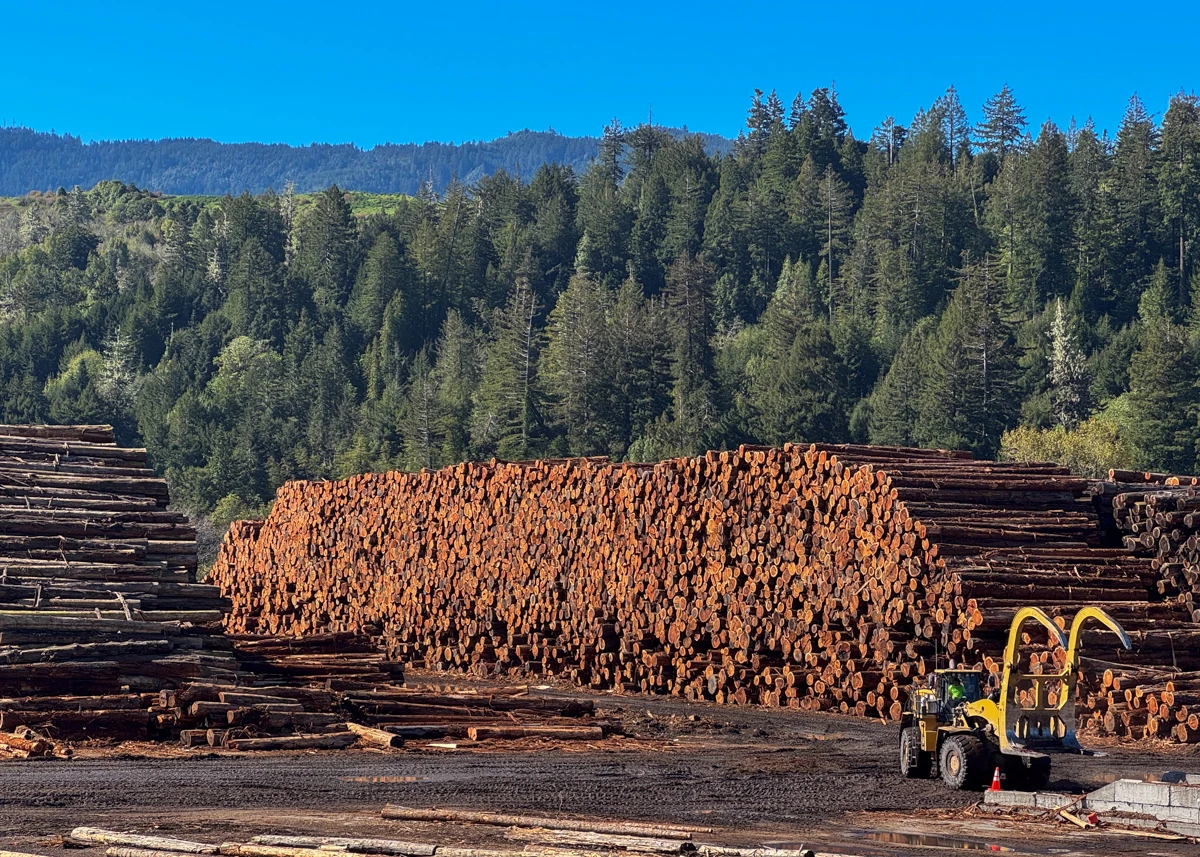
At the HSC Biochar Carbon Removal project in Scotia, California, Pacific Biochar partners with Humboldt Sawmill Company to produce biochar from woody residues generated primarily by the sawmill’s own operations.
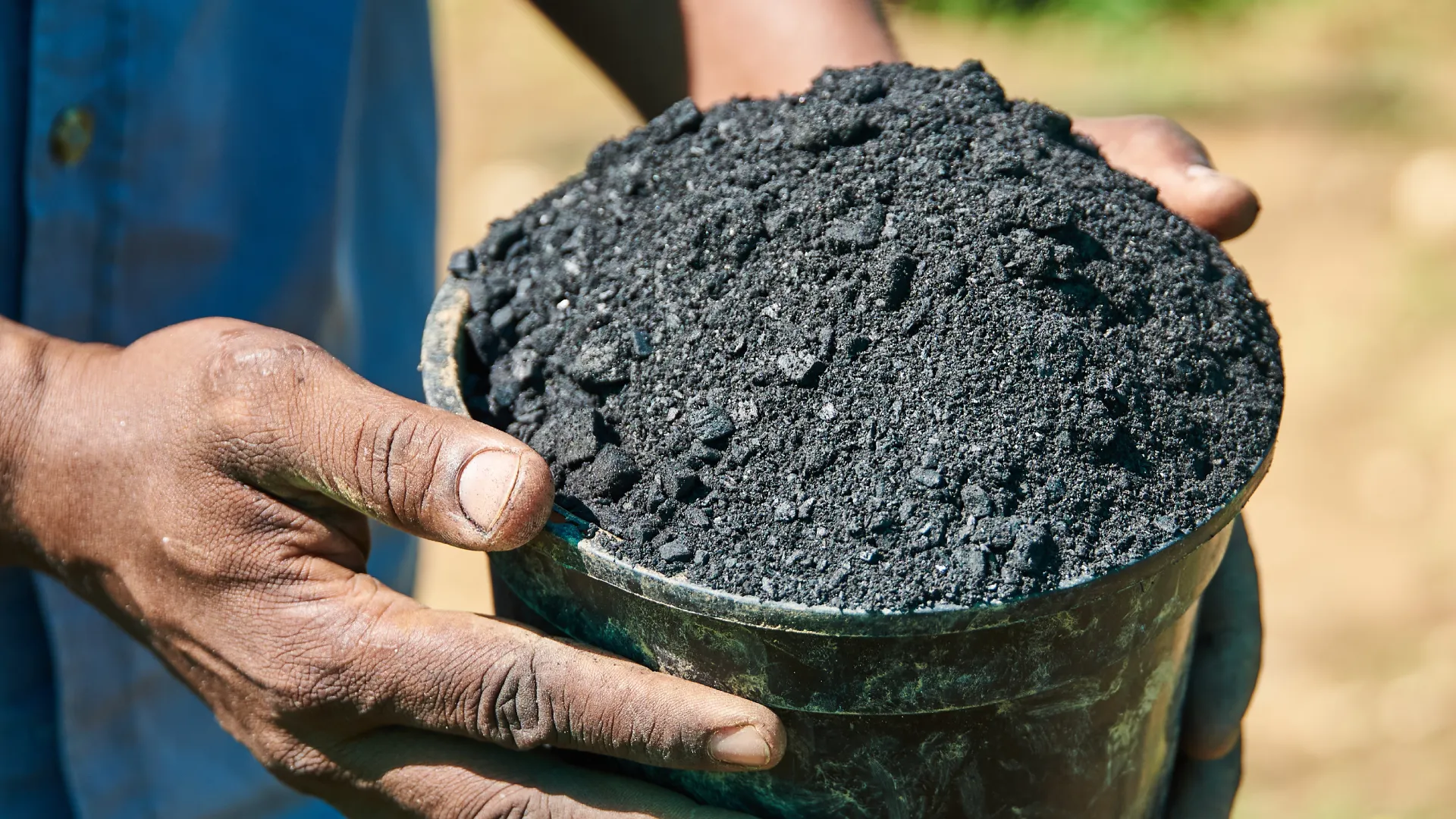
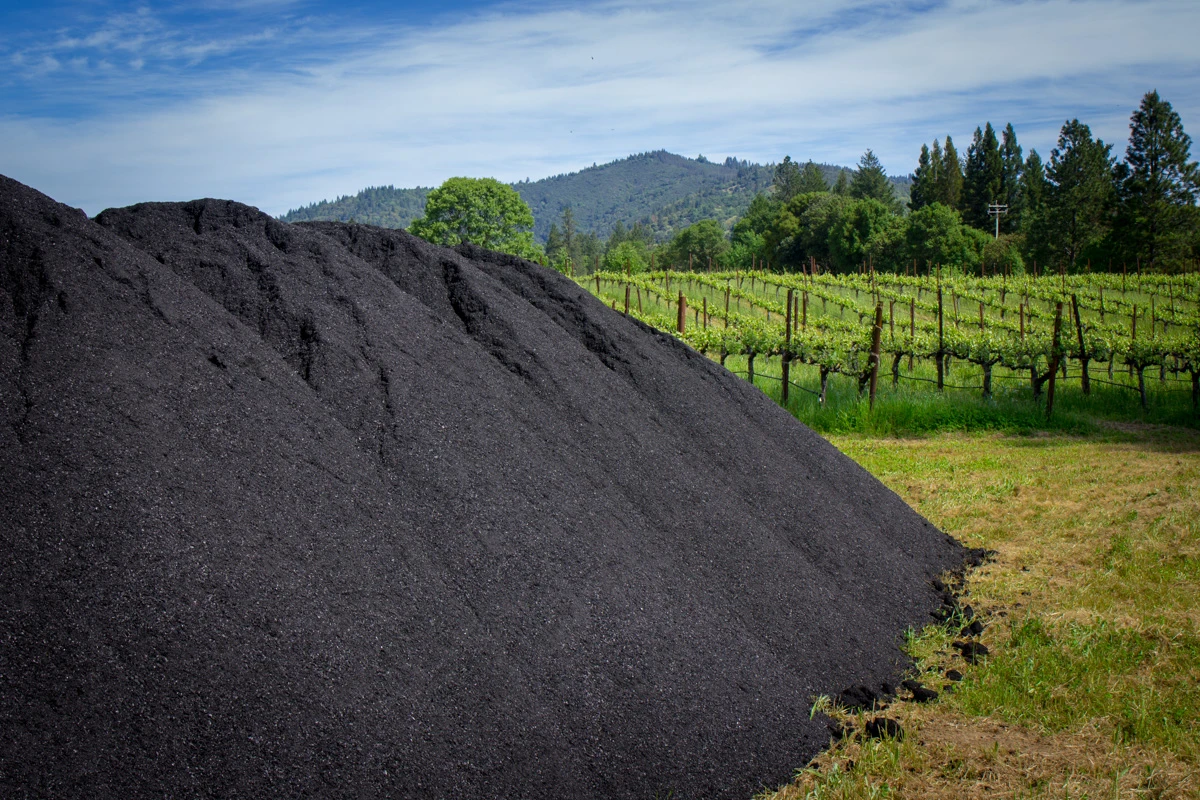
Used mainly by farmers and landowners across California, the biochar supports soil health, crop productivity, water conservation and fertiliser efficiency while storing carbon over the long term.
Operational since 2020, Pacific Biochar has made changes to align with Core Carbon Principles-Approved protocol and since then the project has used two methodology versions currently under assessment for CCP eligibility. It began issuing carbon credits under these new methodologies in 2025 and expects to issue approximately 10,000 a year over the next 30 years.
Why this project matters
The project was designed to address two linked challenges: finding productive uses for woody biomass generated through forestry and sawmill operations while removing carbon dioxide from the atmosphere.
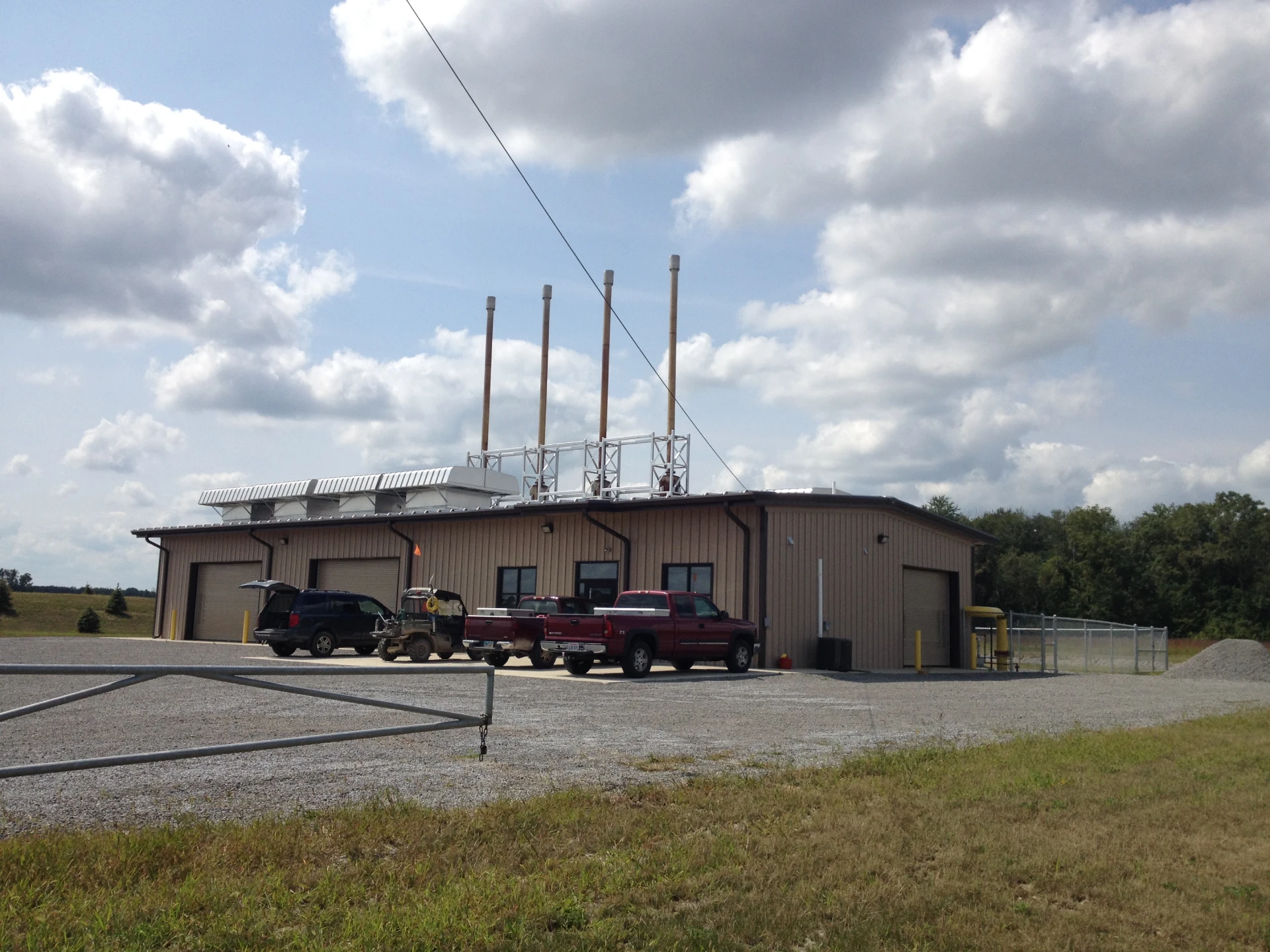
Rather than building a new facility, Pacific Biochar developed the project as a retrofit to an existing operation, minimising capital costs while working within California’s rigorous regulatory environment. The bioenergy facility generates roughly 156,000 MWh of renewable electricity each year, supplying power and heat to the sawmill while exporting excess electricity to the local grid. The project team calls this a “prove it by doing it” approach – demonstrating that biochar carbon removal can operate successfully at commercial scale.
Biochar can improve water retention, nutrient conservation and soil fertility for many years after deployment – creating long-term benefits for agriculture and land management.
How integrity is delivered
The project relies on monitoring, reporting and verification systems to ensure carbon removals can be accurately quantified and traced. Pacific Biochar uses the Mangrove Systems digital MRV platform to manage and report data from monitored emissions and removals throughout the value chain, from feedstock sourcing and production through to biochar deployment.
Feedstock consists primarily of woody residues generated through Humboldt Sawmill Company’s operations. The sawmill uses FSC-certified logs from managed natural forests, and company policies protect identified old-growth trees and forest areas.
Project operations are supported by monitoring systems and laboratory testing that help verify both biochar quality and carbon removals. Third-party verification and digital record-keeping help prevent double counting and provide additional safeguards.
Project data indicate that more than 95% of the carbon contained within the project’s biochar is expected to remain stored beyond a 200-year durability threshold. A buffer pool is also applied to issued credits as a further risk management measure.
Transparent monitoring, independent verification and clear evidence of biochar performance also help build trust among farmers, landowners and buyers. Pacific Biochar supports this through outreach and educational activities.
Results for farmers and the environment
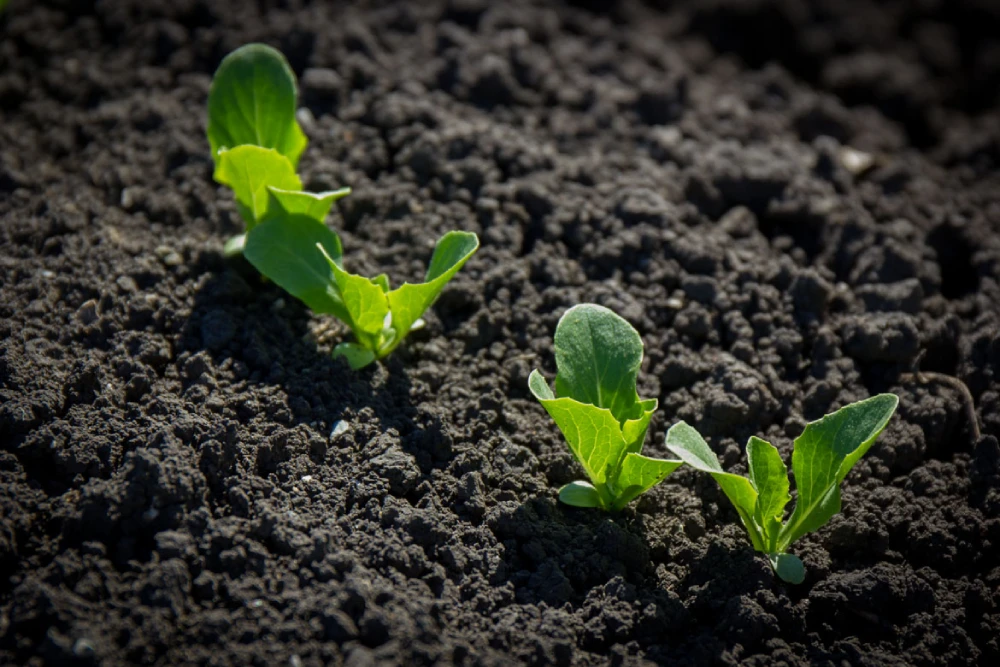
Biochar applications can improve water conservation, nutrient retention, soil fertility and crop productivity. According to project evidence and field experience, these benefits can persist well beyond individual carbon crediting periods and are particularly relevant in regions facing increasing pressure from drought.
The project’s benefits are experienced primarily by farmers and landowners who use biochar on their land. Its primary climate outcome is durable carbon removal through the production and application of biochar to soil. Pacific Biochar also undertakes outreach and educational activities to help farmers and landowners understand and maximise the benefits of biochar.
“When we first started farming this land, it would take 36 hours for water to move sideways through the soil across a 30-foot planting bed. After three years of using cover crops and adding compost and biochar, that fell to just three or four hours. That was a huge change. In summer, we didn’t have to irrigate as much, which meant saving water, better crops and improved profitability.”
SCOTT FOSTER
Operations Manager, Compost Solutions Inc.
Challenges and learning
One of the project’s main challenges has been accessing financing. Although the technology approach of retrofitting existing infrastructure is relatively low cost, Pacific Biochar has found it difficult to finance the significant working capital burden associated with production of biochar, deployment of biochar, and MRV necessary to issue credits.
Working towards a CCP-Approved methodology increased the project’s monitoring, reporting and verification requirements. Although this required additional work, Pacific Biochar reports that it also strengthened data management and improved its ability to demonstrate performance and build confidence among buyers and partners.
The project also highlights the challenges of introducing innovative technologies within California’s highly regulated operating environment, where new approaches often require extensive engagement with regulators and other stakeholders before implementation can proceed.
Broader relevance
The project demonstrates how existing industrial infrastructure can be adapted to achieve durable carbon removal while producing biochar that can deliver long-term benefits for farmers and landowners. Its experience suggests that retrofitting existing operations can be an efficient pathway for scaling biochar carbon removal while reducing costs and deployment timelines.
It also highlights the importance for project developers of considering biochar deployment as a long-term storage activity rather than relying on expected revenues from applying biochar to agricultural soils. The project team believes this distinction will become increasingly important as the biochar carbon removal sector matures

“Some people may view the lumber industry as a legacy industry, but projects like this do a great job of showcasing how we’re constantly pushing to innovate. This biochar project reflects our commitment to finding higher and better uses for our byproducts, to reduce waste, and support healthy, well-managed timberlands for generations to come.
SHANE WILKINSON
General Manager, Fiber Byproducts & Bioenergy, Humboldt Sawmill Company
Updated 1 October 2026: This case study was revised to describe correctly the status of the project’s carbon credit issuances and the methodologies.
Learn more about Biochar
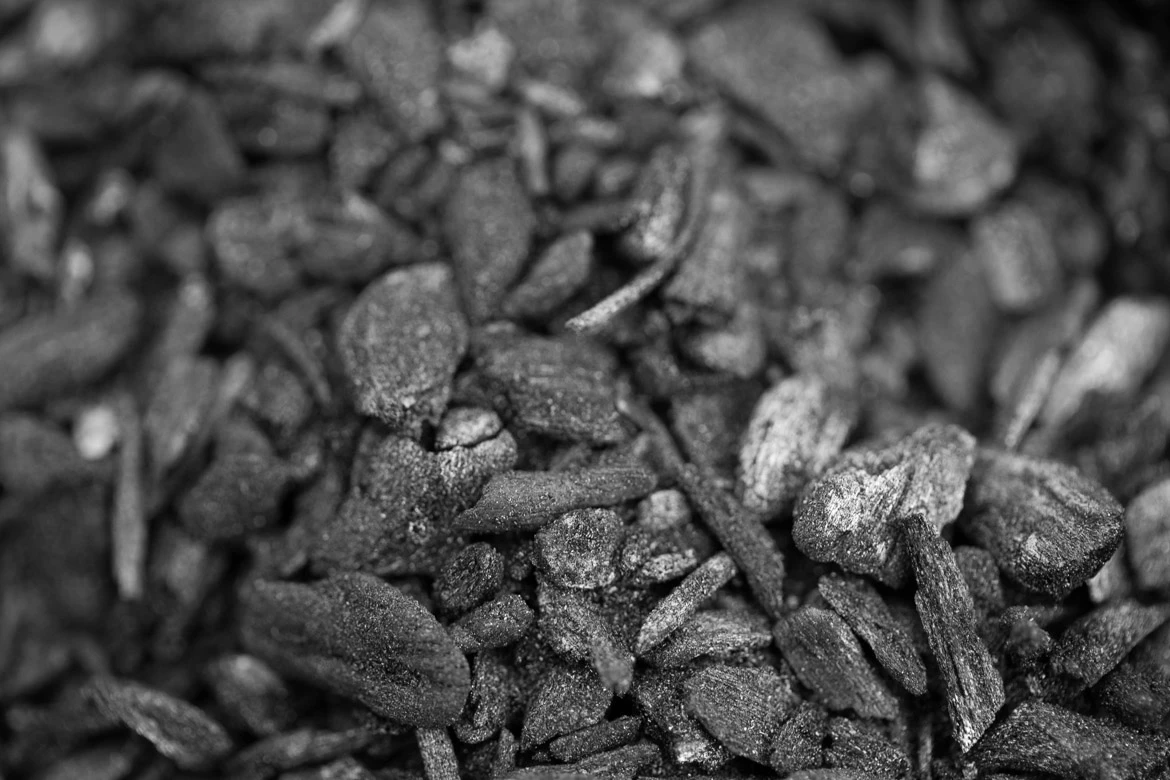
Produced by the heating (or pyrolysis) of biomass, biochar can store carbon captured from the atmosphere for hundreds or even thousands of years. This makes it a highly effective carbon sink.