CAR1459 Indigo US Project No. 1
Indigo Carbon
Climate Action Reserve (CAR)
Sustainable Agriculture (Rotational Crops Low Till No Tillage etc)
CAR U.S. Soil Enrichment Protocol – 1.1
United States of America
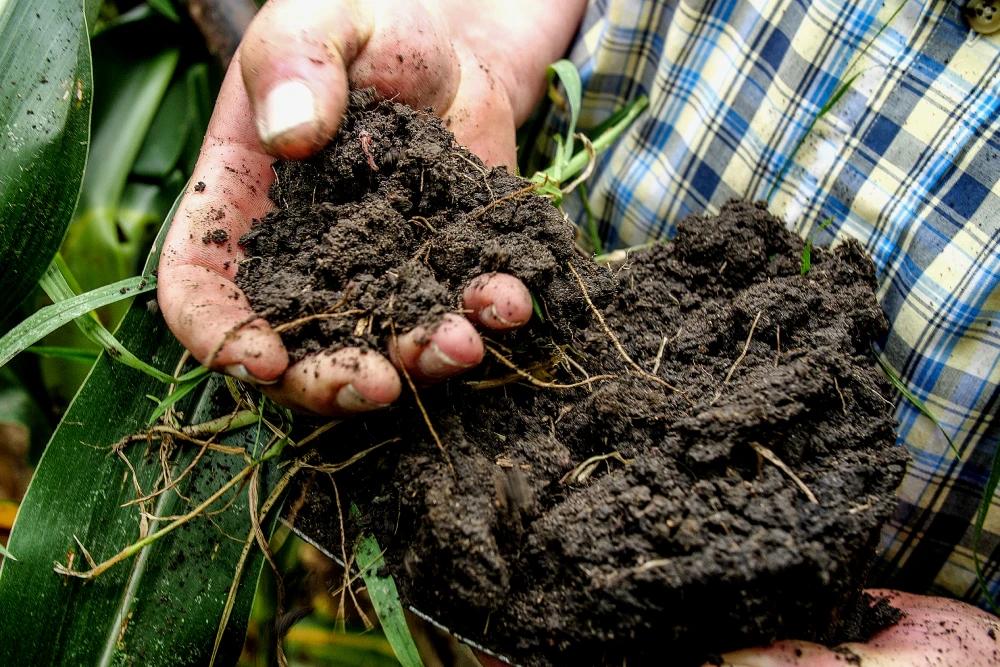
Indigo US Project No 1, developed by Indigo Carbon, supports farmers across 28 states to adopt regenerative farming practices that improve soil health and help farms adapt to a changing climate.
These practices include planting cover crops, reducing tillage, diversifying crop rotations and optimising nitrogen use.
The project creates additional income for farmers while reducing greenhouse gas emissions and increasing carbon storage in agricultural soils. Started in 2018, it began issuing credits in 2022 and continues to enrol new farmers while undergoing annual verification and issuance cycles.
Why this project matters
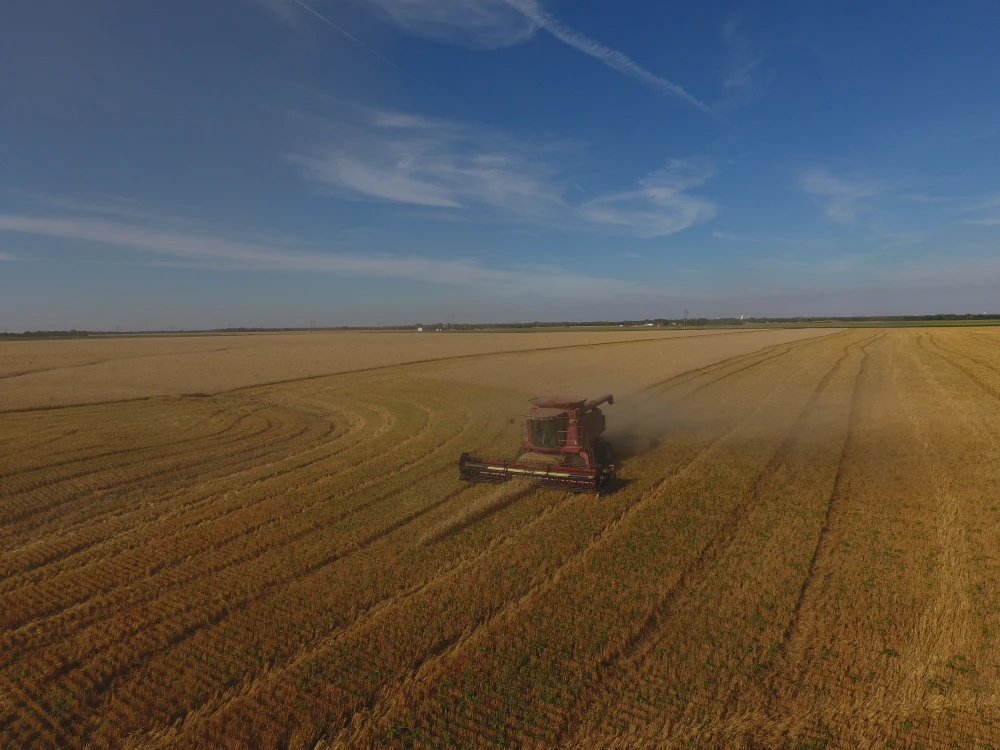
Regenerative farming practices can improve soil health, strengthen resilience to extreme weather and support long-term farm productivity. Yet financial, educational, practical and cultural barriers have often limited their adoption.
Agricultural education, advisory services, financing and commercial incentives have largely evolved around conventional production methods. As a result, many farmers lack the resources or incentives needed to adopt regenerative practices – even where the long-term benefits are understood.
Indigo Carbon’s project aims to address these barriers. By combining carbon revenue, technical support and long-term incentives, it seeks to make regenerative agriculture a practical option for farmers while reducing emissions and increasing soil carbon storage.
How integrity is delivered
Farmers participate voluntarily and must adopt new practices on enrolled fields. Eligibility is assessed and baselines are constructed using historical data covering an entire crop rotation, helping ensure that credits are awarded only for genuine changes in practice.
The project uses a dynamic, field-specific baseline that models what would probably have happened if a farmer had continued their previous management system. Historical records are validated using remote sensing, and the baseline is adjusted to reflect current weather conditions. This helps isolate the impact of the new practices.
Farmers submit field management information through a digital platform. Automated validation systems use remote sensing, government datasets, protocol requirements and expert review to identify potential issues. Soil samples are collected and analysed by accredited laboratories. Sources of uncertainty, including soil measurements, sampling and model performance, are incorporated into calculations.
To prevent double counting, farmers sign exclusive agreements preventing the same land being enrolled in another carbon-crediting project. Credits are issued and tracked through the Climate Action Reserve registry from issuance through to retirement.
Indigo Carbon monitors all fields throughout their crediting period and once that period has ended to ensure it adheres to permanence requirements. To compensate for any reversals, the project holds back credits for both the Climate Action Reserve’s buffer pool and a strategic credit reserve that is held internally. Indigo Carbon is actively exploring additional farmer engagement strategies to further reduce reversal risk.
Feedback gathered through Indigo Carbon’s Community Engagement Plan helps improve project design, while partnerships with organisations such as the Intertribal Agriculture Council help broaden participation and build trust among farmers and communities.
Results for farmers and the environment
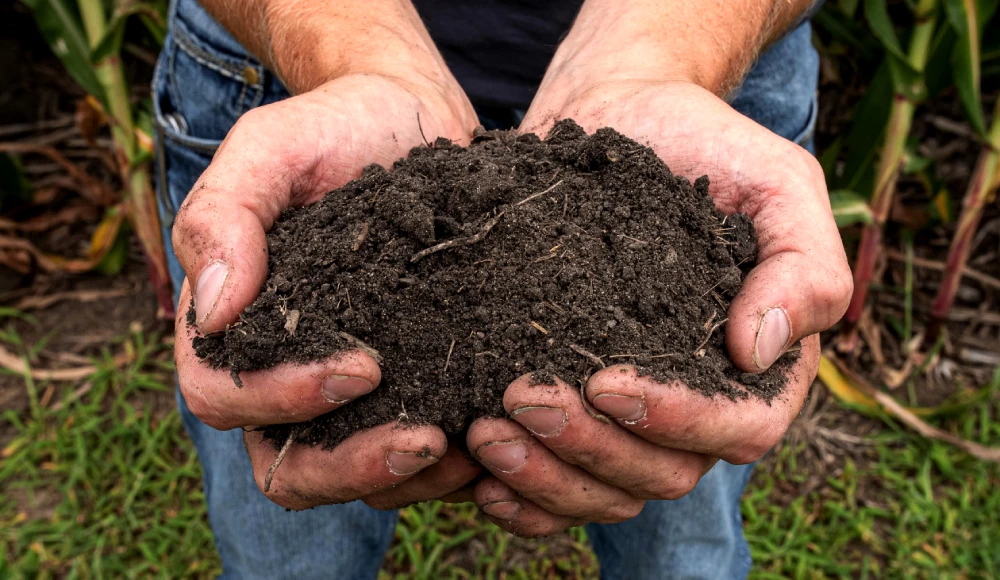
Participating farmers are the project’s main economic beneficiaries. After setting aside credits for permanence management, at least 75% of weighted net credit revenues are passed on to farmers, and participants have received over $19.8 million in carbon revenue. Regenerative practices can also lower input costs while creating new income opportunities such as livestock forage and marketable cover crops.
Project activities can contribute to climate adaptation by improving soil health, strengthening resilience to extreme weather and supporting crop productivity. According to Indigo Carbon, these practices can support more consistent yields over time, while research and farmer experience suggest enhanced drought tolerance and pollinator activity.
Increasing soil organic matter and reducing mechanical disturbance can improve water-holding capacity, helping farmland withstand both droughts and excessive rainfall. Indigo Carbon’s modelling estimates that cover crop and reduced tillage practices cut surface water runoff by some 534 billion litres (141 billion gallons) during the first five reporting periods.
Indigo has worked with Indigenous organisations including the Intertribal Agriculture Council, the Indian Land Tenure Foundation and the National Indian Carbon Coalition to raise awareness of regenerative agriculture and carbon farming opportunities. The project team has also engaged several Tribal Nations and the National Black Farmers Council to reach historically underserved farmers.
During its fifth reporting period, the project covered 997,108 hectares (2.5 million acres), involving 1,423 farmers and 37,437 fields. It has generated over 2.1 million tonnes of emissions reductions or removals so far.
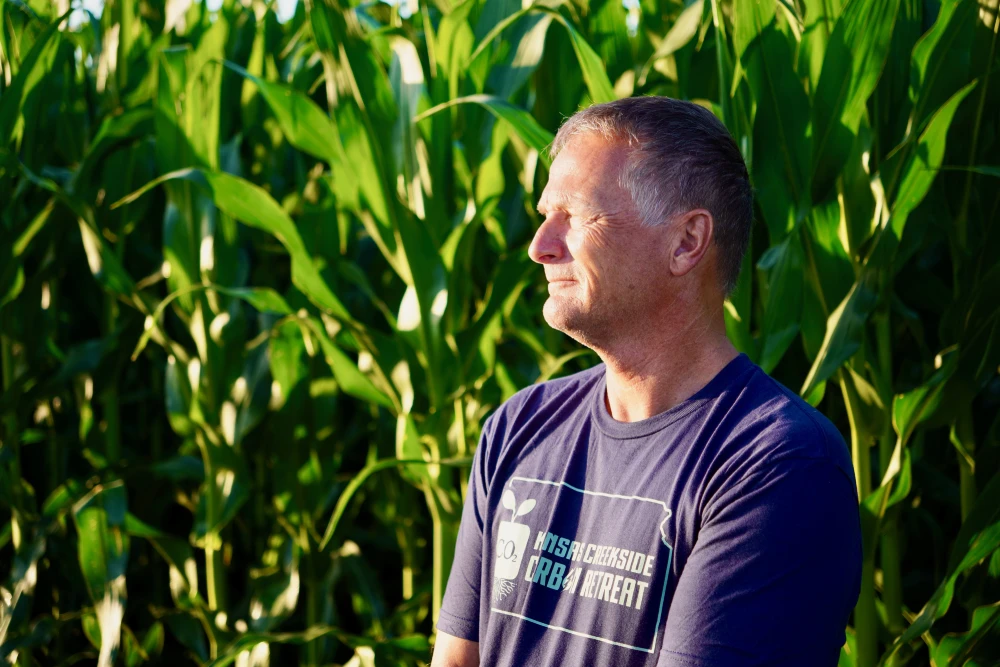
“Carbon credits forced us to learn more practices and also the help of the extra funds that we can get… we’ve been in this drought so anything that can help, we’ll sure take it.”
JULIA STRNAD
Fourth-generation farmer, Kansas.

Challenges and learning
Delivering a large scale high-integrity soil carbon project requires extensive data collection and analysis. Gathering field-level information across thousands of farms can be challenging, while datasets needed to validate biogeochemical models remain limited in some regions and production systems. Indigo Carbon has focused its project in regions with high data availability and strong data quality.
Operating across diverse farming systems and markets creates significant complexity. Indigo has continually refined its systems to reduce the burden on farmers while improving data quality and usability.
Consistent communication with farmers is critical to widespread and long-term behaviour change. Due to its first of a kind nature (within the protocol and broader category), setting clear expectations with farmers around eligibility rules, expected credit generation, and verification requirements was a challenge in the project’s early days. Along with experience, Indigo reports that improved estimation tools, verification processes and software have helped address these issues, although delays between practice adoption, verification and credit sales remain a challenge.
Broader relevance
The project demonstrates that carbon finance can help farmers adopt regenerative farming practices at scale by addressing financial and practical barriers. It also shows that large scale soil carbon initiatives can be implemented with rigorous monitoring, verification and scientific oversight.
Many approaches pioneered through Indigo Carbon’s implementation of the Soil Enrichment Protocol are now being adopted by projects elsewhere, helping expand regenerative agriculture and soil carbon initiatives globally.
Growing demand for high-integrity soil carbon credits is helping to reinforce this model. In 2026, Microsoft agreed to purchase 2.85 million soil carbon credits from Indigo until 2038, including some CCP-labelled credits generated under the CAR Soil Enrichment Protocol.

“Developing this project has been an incredible adventure, starting with the protocol development process. It has been exciting to demonstrate how cropland soil carbon credits could be generated at large scale and with high integrity.”
MAX DuBUISSON
VP, Carbon Projects, Indigo Carbon.
Learn more about Sustainable Agriculture
Agriculture is a major contributor to the climate emergency, responsible for approximately 11.7% of global greenhouse gas emissions.
Projects using sustainable agriculture methodologies employ a wide range of improved agricultural practices designed to reduce greenhouse gas emissions and/or enhance the absorption of carbon by soils.