Restoring degraded land and capturing carbon by increasing tree cover, enhancing biodiversity, and delivering long-term climate benefits.
CCP-Approved Methodologies
The CCP-Approved Methodologies Driving High Integrity in Carbon Markets
The Integrity Council sets the independent global threshold for what a high-integrity carbon credit looks like through the Core Carbon Principles (CCPs).
Assessments follow a two-step process: both carbon crediting programs and the methodologies used to design and implement carbon crediting projects are evaluated against the CCP Assessment criteria.
Learn more about the different CCP-Approved Methodologies and why they help climate action below.

Start exploring…

Learn more
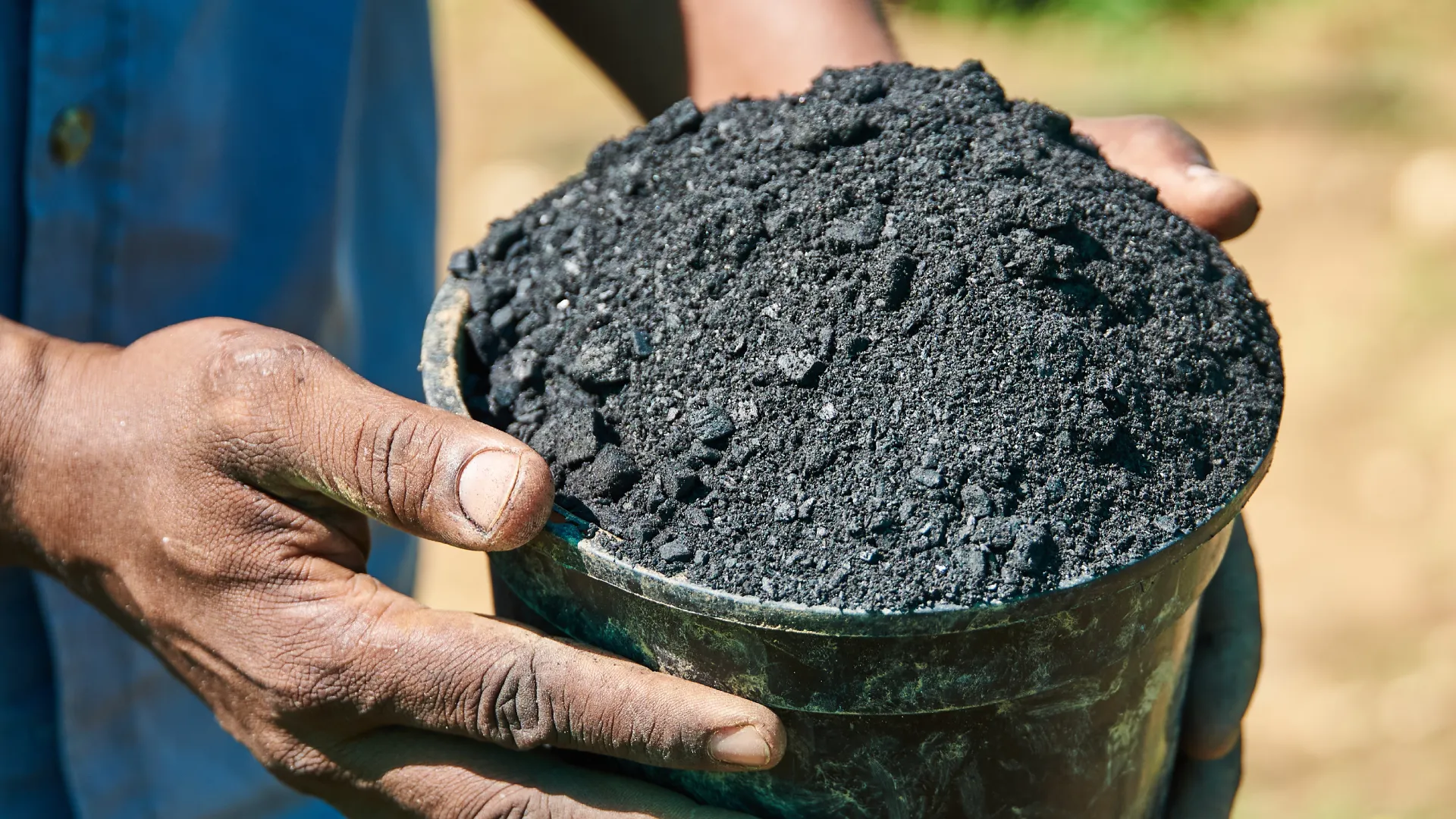
Turning biomass into biochar to lock carbon in soils, boosting fertility, and cutting greenhouse gas emissions for lasting climate and agricultural benefits.

Converting organic waste into renewable biogas and nutrient-rich fertiliser, reducing methane emissions, and supporting clean energy for homes and people

Replacing traditional stoves with efficient models, cutting deforestation, lowering emissions, and improving health through cleaner indoor air.

Engineered CDR technologies capture and store CO₂, helping address hard-to-abate emissions and climate challenges.

Improving forest practices to increase carbon storage, protect biodiversity, and reduce emissions from unsustainable logging.
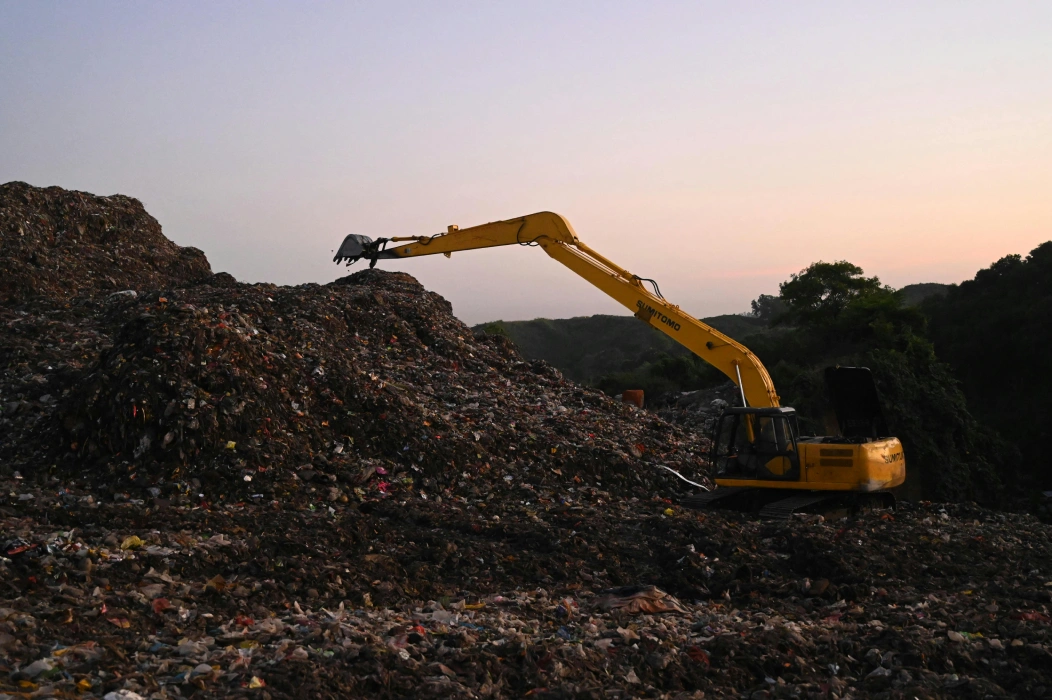
Capturing methane from landfill sites and turning it into renewable energy, reducing potent greenhouse gas emissions.

Finding and fixing leaks in gas systems to prevent methane emissions and improve pipeline efficiency.

Cutting nitrous oxide emissions from adipic acid production using advanced abatement technologies for significant climate impact.

Destroying ozone-depleting substances from discarded appliances to prevent harmful emissions and protect the atmosphere.

Protecting forests in developing countries to reduce deforestation emissions, conserve biodiversity, and support local communities.
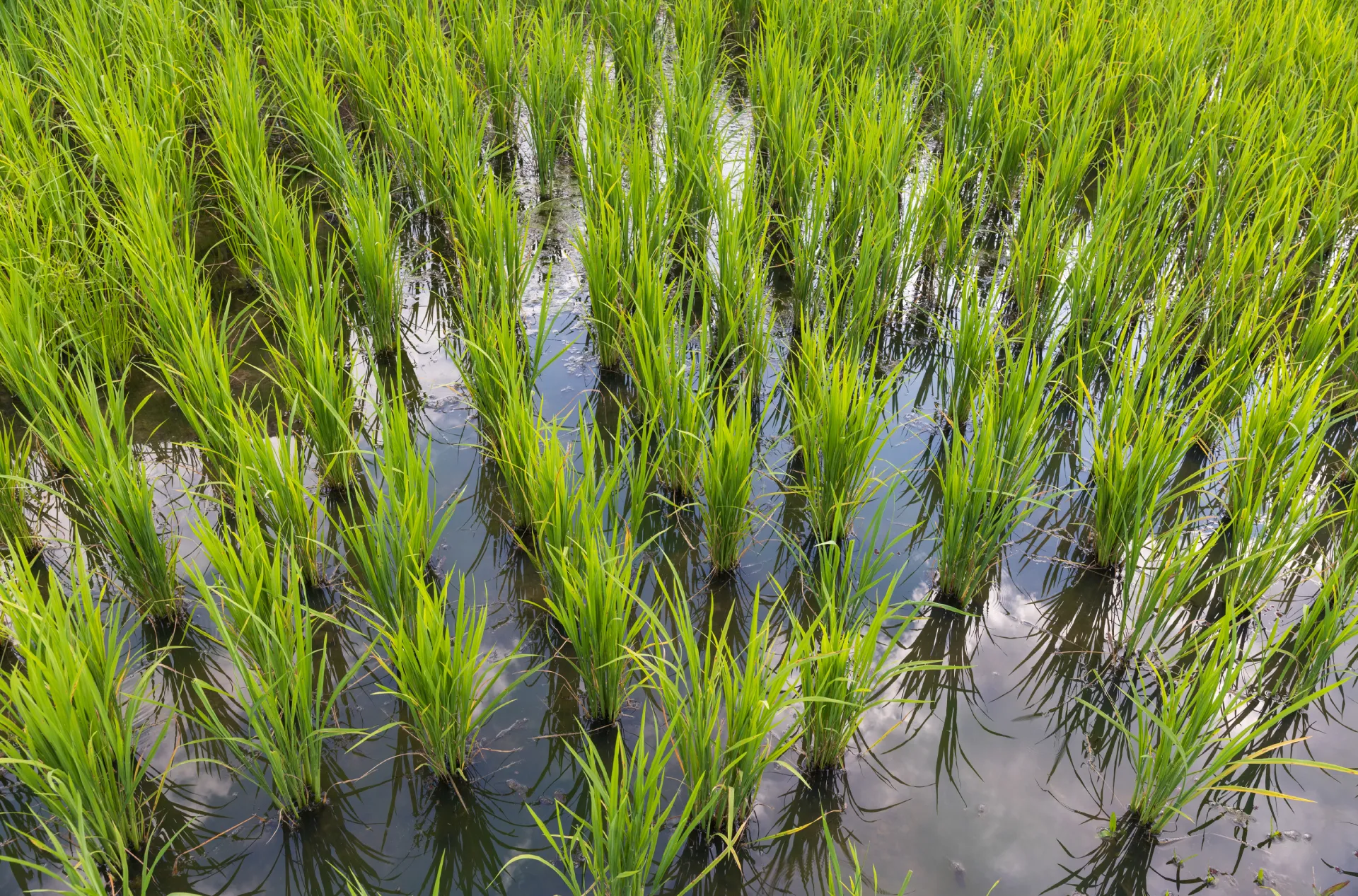
CCP‑Approved rice methane‑avoidance methods cut emissions while supporting farmers and strengthening high‑integrity carbon projects.

Reducing agricultural emissions and nurturing balanced ecosystems.
How we assess carbon credit methodologies
Learn about the assessment of carbon credit methodologies.