Ejido Topia forest carbon project
UCDFI TOPIA
Climate Action Reserve (CAR)
Improved Forest Management
CAR Mexico Forest Protocol – 3.0
Mexico
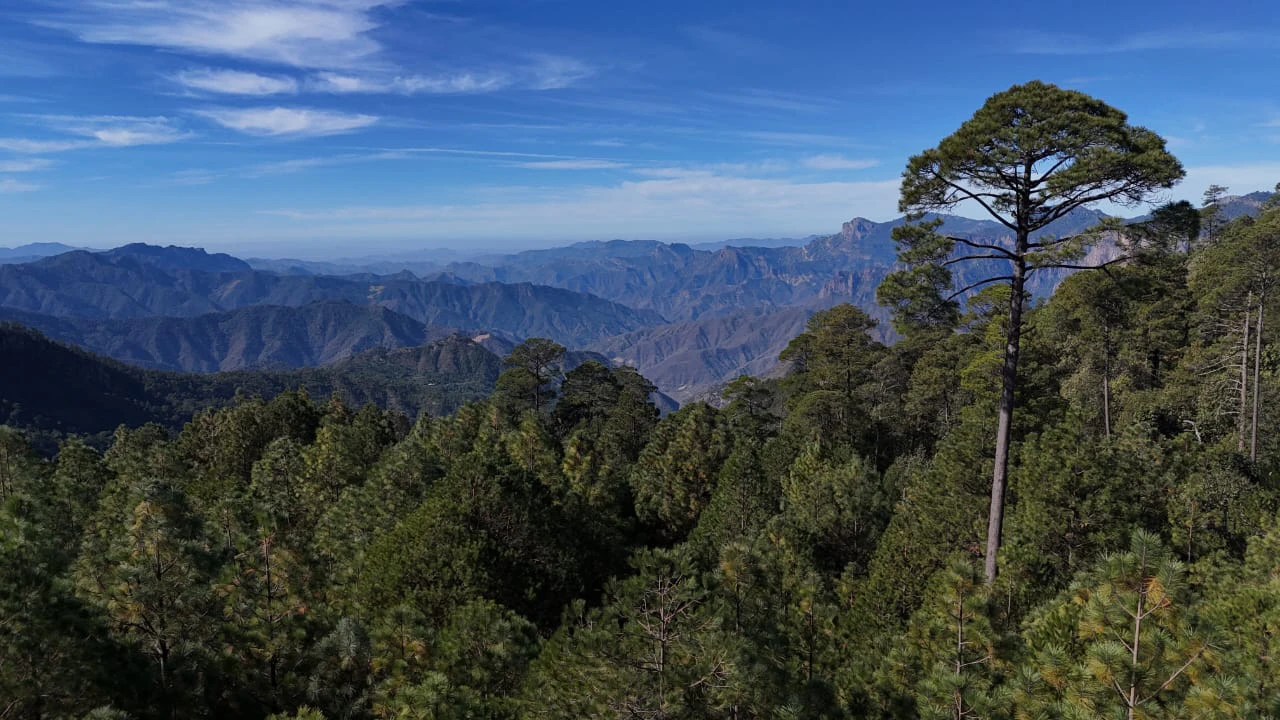
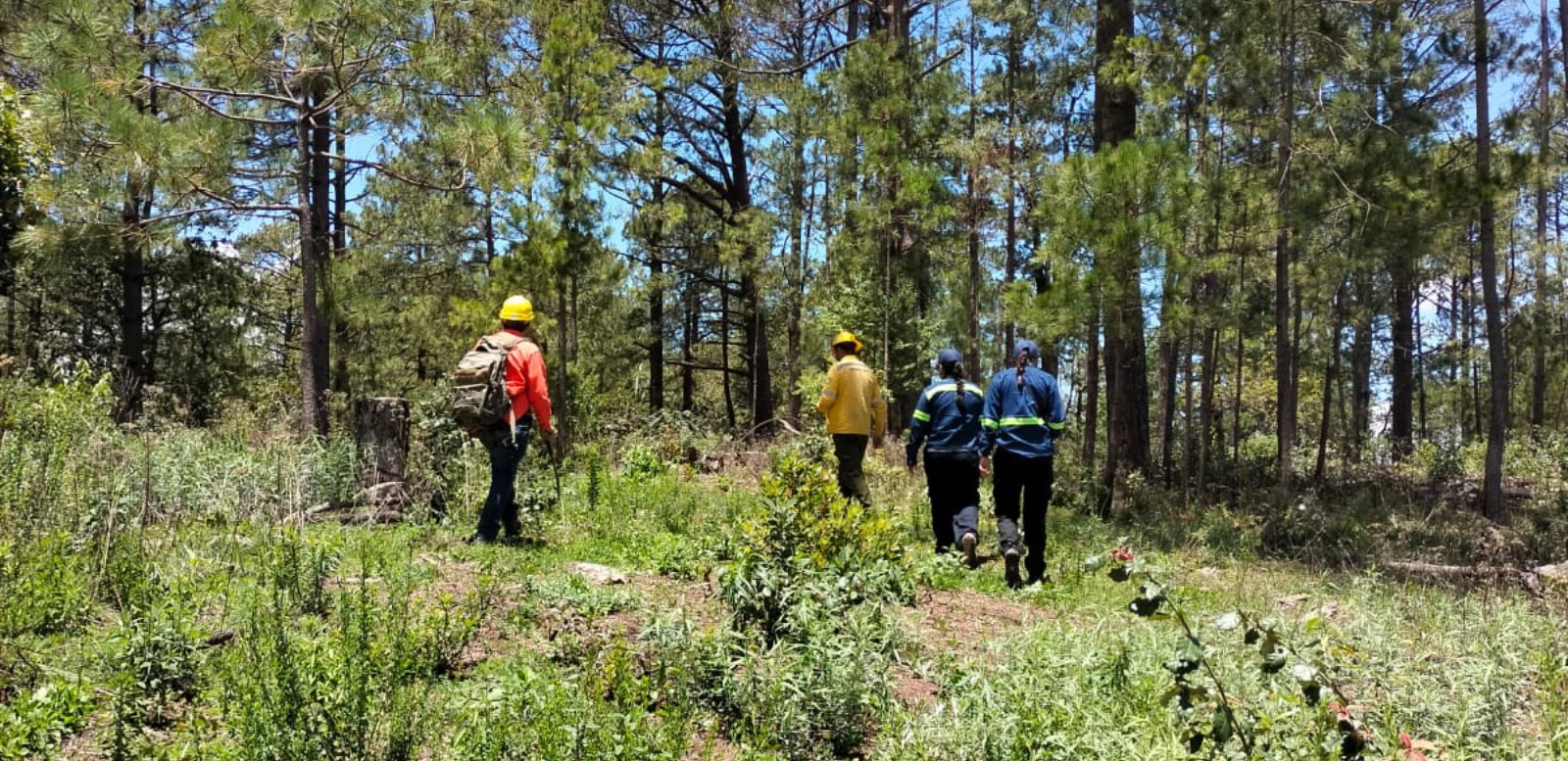
The Ejido Topia forest carbon project covers more than 7,800 hectares of pine and pine-oak forest in Durango, Mexico.
Developed by the Topia ejido – part of Mexico’s ejido system of community-owned and collectively governed landholdings – the project uses improved forest management to increase carbon storage, conserve biodiversity and support the long-term stewardship of the forest.
Implemented by UCDFI TOPIA under Climate Action Reserve’s Forest Protocol for Mexico v3.0, the project has issued 115,350 CCP-labelled carbon credits. Carbon revenues are managed according to agreements established by the ejido, providing additional income for community members while also helping to finance sustainable forest management activities.
Why this project matters
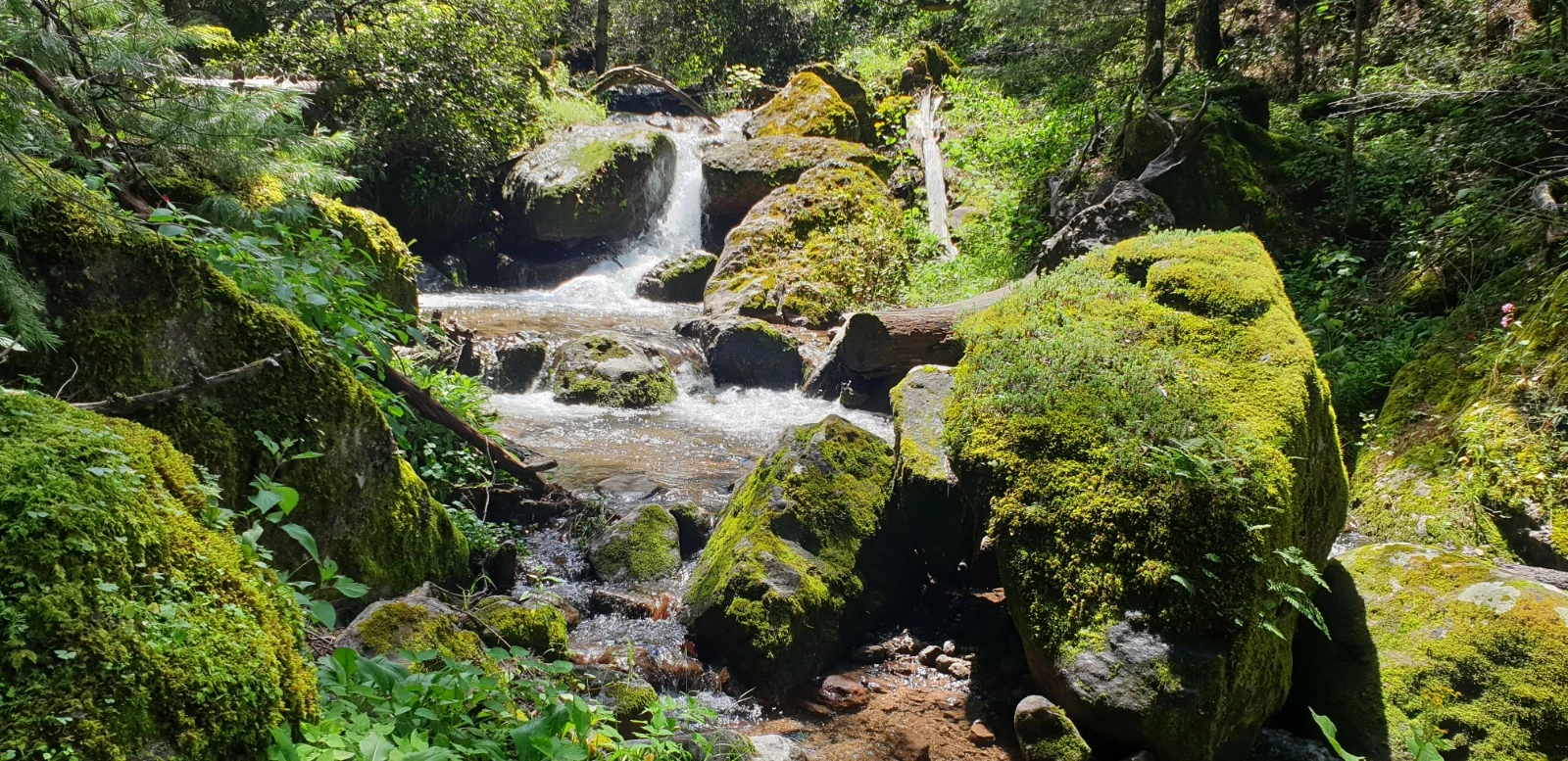
The Topia ejido has a long history of community-based forest management, but traditional income from timber harvesting is not always sufficient to support the long-term investment needed for conservation, monitoring and forest protection. Established in 2020, the project created an additional financial incentive to conserve the forest and manage it sustainably.
Participation in the voluntary carbon market has enabled the community to diversify its income while undertaking productive forest management and protecting biodiversity, water resources and the wider landscape.
The project uses satellite imagery, geographic information systems and geospatial databases to quantify and monitor carbon stocks. These technologies are complemented by traditional monitoring approaches, including forest inventories and permanent monitoring plots, to provide a comprehensive view of project performance.
How integrity is delivered
To manage reversal risks and threats to forest health, the project undertakes continuous forest-cover monitoring, fire prevention and suppression, community surveillance and other forest health activities. It also contributes credits to Climate Action Reserve’s buffer pool to help manage the risk of unintended reversals.
The use of a CCP-Approved methodology provides an additional signal of integrity. Alignment with the Core Carbon Principles supports confidence in the project’s carbon quantification, monitoring, reporting and verification, strengthening its access to high-integrity markets and its long-term viability as a financing mechanism for community-led forest conservation.
Community governance
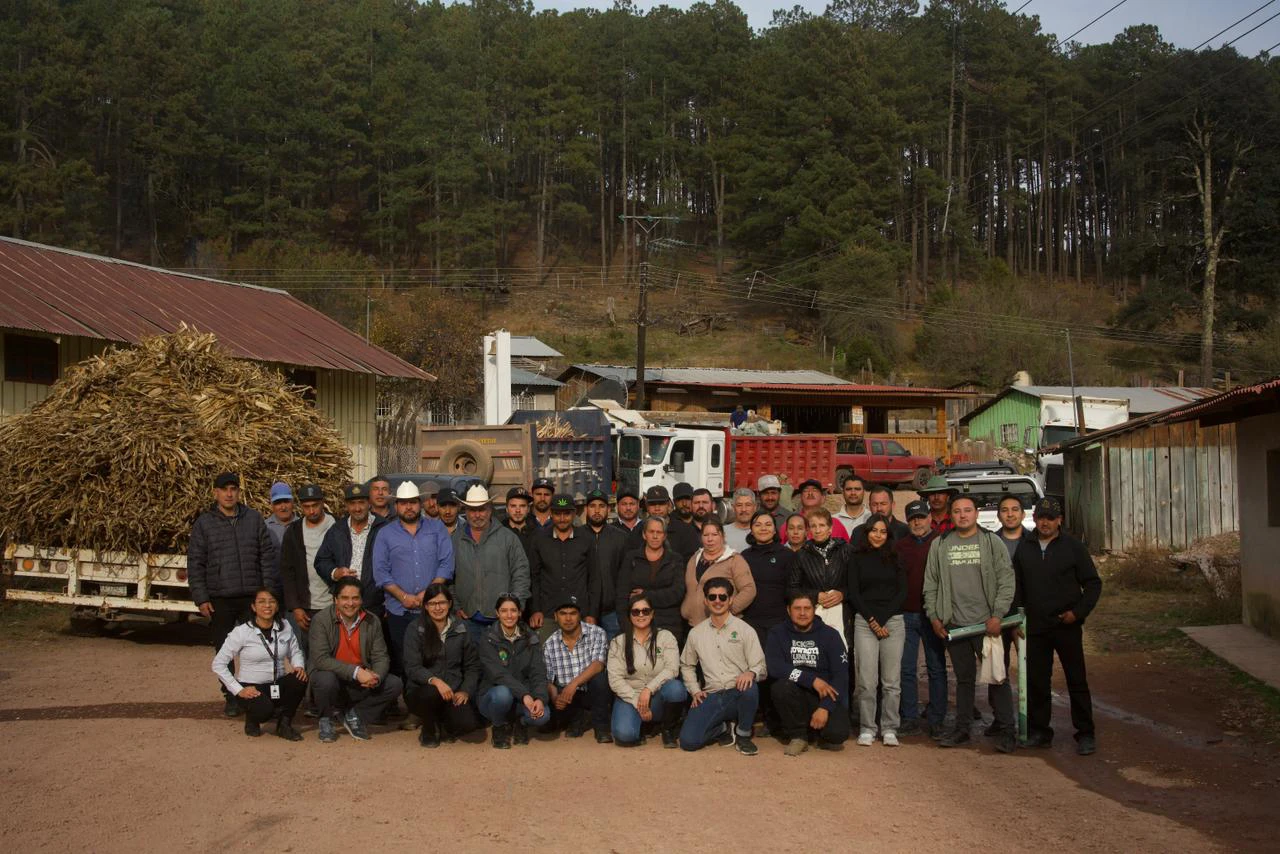
The project recognises that durable conservation outcomes depend on strong local governance and informed participation. Before implementation, it underwent a Free, Prior and Informed Consent process through the Ejido Assembly, the ejido’s highest representative decision-making body. This enabled community members to consider the project’s objectives, requirements and anticipated benefits before agreeing to participate.
The Ejido Assembly remains central to project governance. It approves strategic decisions concerning land management, conservation measures, community participation and the distribution of benefits. The Ejido Commission and Supervisory Body oversee the implementation of these decisions with UCDFI TOPIA, combining technical expertise with community priorities and local knowledge.
This governance model keeps forest owners at the centre of decisions affecting their land and livelihoods. It also strengthens accountability and helps ensure that carbon revenues support priorities determined by the community itself.
Results for people, climate and nature
The project has brought approximately 7,816 hectares of forest under improved forest management, supporting increased carbon storage and ecosystem conservation. Biodiversity monitoring is being strengthened alongside carbon measurement, with a biodiversity baseline study under way to establish indicators for assessing future changes in ecosystem conditions.
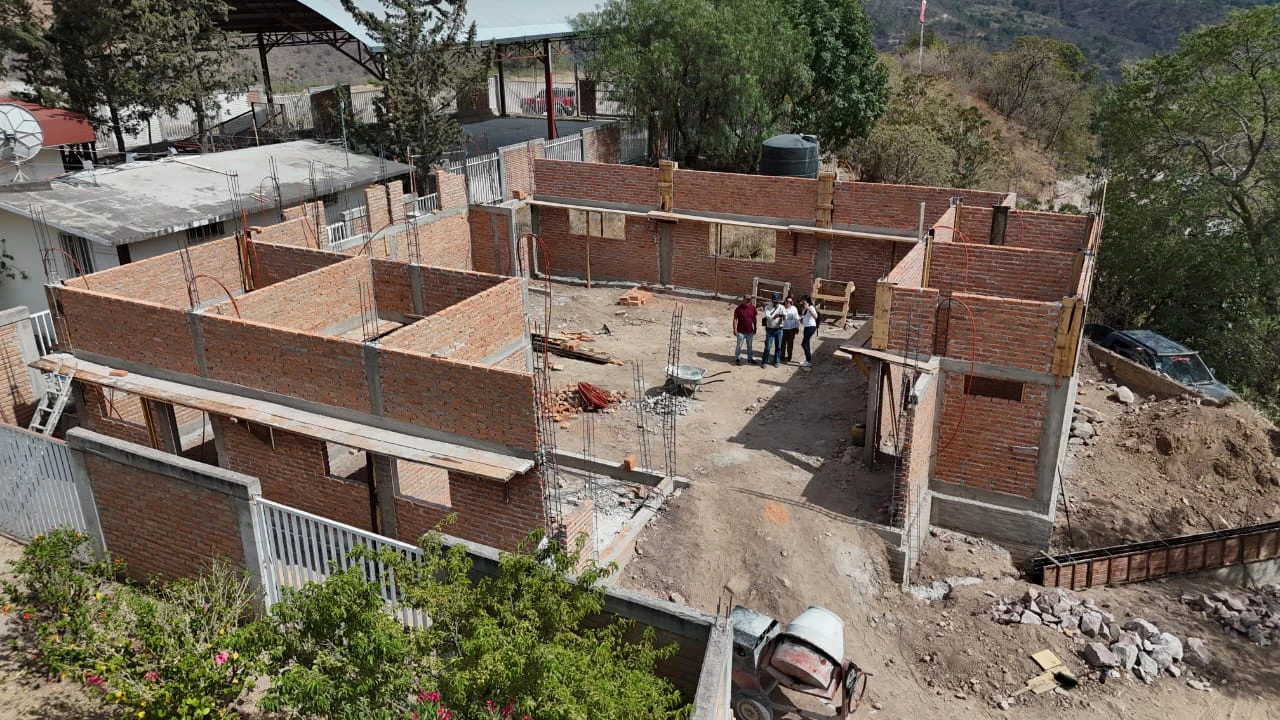
The project has also generated significant financial benefits for the 121 members of the Topia ejido and their families. The sale of carbon credits has generated over US$880,000 (MXN 15.8 million) in revenue, of which $124,000 has been distributed directly among the ejido members. The remaining $756,000 has been allocated to initiatives that collectively benefit the community, including constructing a new Ejido Hall to provide a dedicated space for assemblies and collective decision-making.
In addition to the direct financial benefits arising from carbon credit sales, the project has created employment opportunities for around 112 community members through the construction of filtration dams and firebreaks, deadwood clearance, reforestation and other conservation measures.
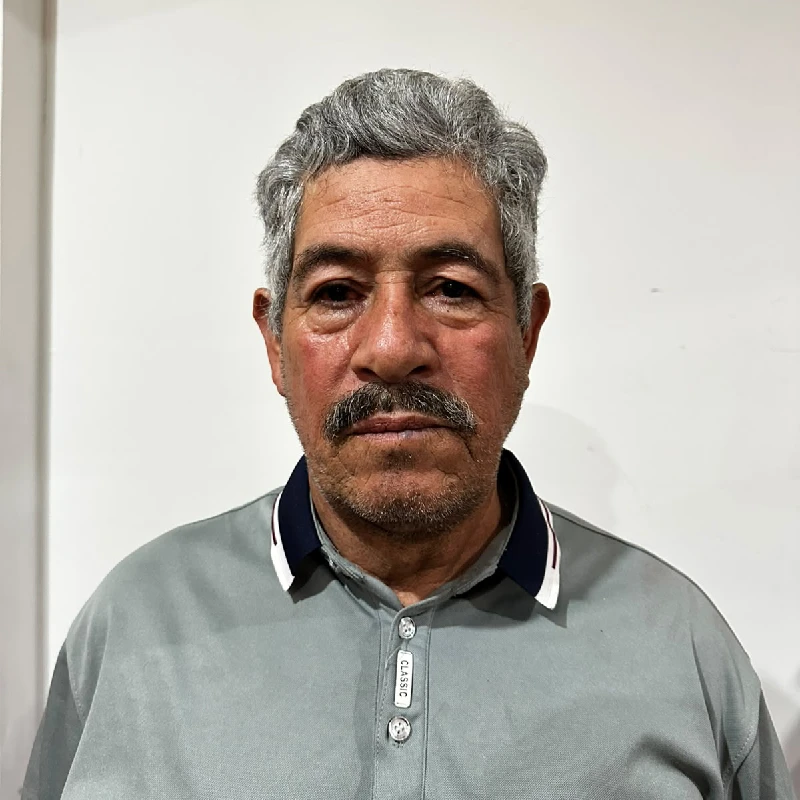
“For the Topia ejido, this project represents an opportunity to conserve our forests without giving up our way of life. We have learnt that, when there is clear information, participation by the assembly and commitment from all parties, it is possible to make decisions that benefit both the ejido and the future of our territory.”
JOSÉ FÉLIX
Ejido Commissioner of the Topia ejido.
Challenges and learning
Meeting the requirements of high-integrity carbon markets involves specialised expertise, financial resources and close coordination between the community, UCDFI TOPIA and independent verification bodies. Collecting and organising technical, social and environmental information remains demanding as methodologies, regulatory requirements and market expectations evolve.
The Topia ejido’s experience shows that rigorous monitoring must be accompanied by transparent communication, accessible information and strong community governance. Because the voluntary carbon market was a new mechanism for many ejido members, the project strengthened outreach and participation in decision-making.
Broader relevance
The Topia ejido project demonstrates how high-integrity carbon finance can support the sustainable management of community-owned forests while contributing to climate mitigation, biodiversity conservation and local development. Its approach shows how carbon revenues can deliver both direct financial benefits and collective investment in forest protection, public works and local employment.
The project offers a locally led model for responding to climate change and biodiversity loss. Its experience also demonstrates that the long-term effectiveness of carbon finance depends on strong community institutions, credible monitoring and forest owners remaining at the centre of decisions about their land and the use of project revenues.
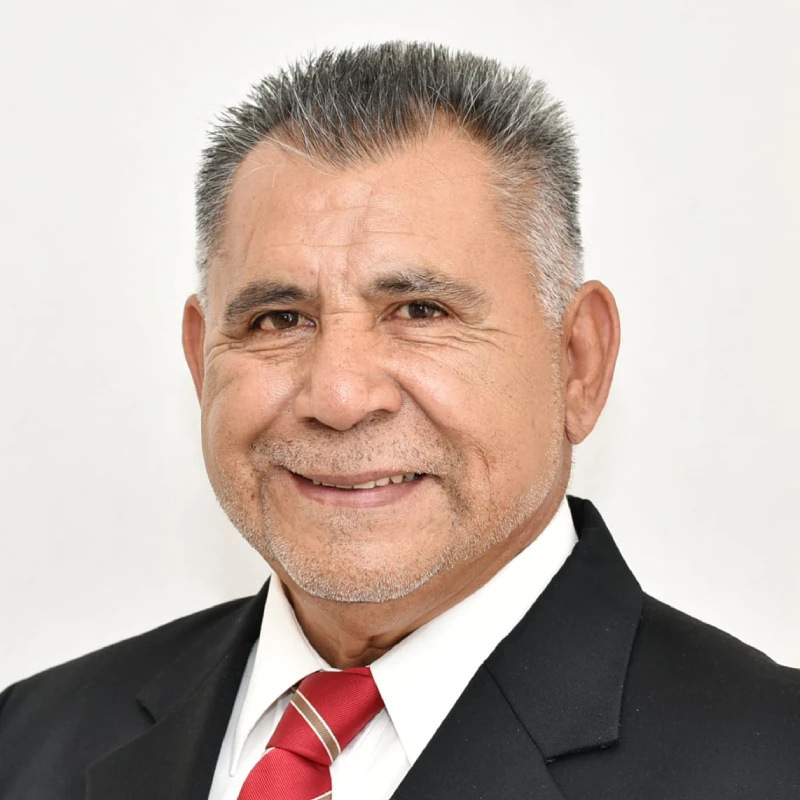
“We have worked alongside the Topia ejido for 36 years. This project demonstrates that the trust built up over decades can be transformed into concrete actions to tackle climate change. The carbon project reinforces a shared vision in which forest conservation, improved forest management and the community’s wellbeing advance hand in hand.”
CARLOS ZAPATA PÉREZ
Chief Executive of UCDFI TOPIA.
Learn more about Improved Forest Management (IFM)
The world’s forests provide one of our largest natural carbon sinks, but over one-third have been lost to human or natural causes.
IFM is a climate solution that reduces and removes emissions by introducing practices that promote forest health and enhance the capacity of these areas to naturally store carbon.