Reducing Gas Leakages within Hududgaz Gas Distribution Networks across Uzbekistan (VCS 4531)
Climate Compass LLC, through its sister company GasGreen Asia LLC
Verra Verified Carbon Standard (VCS)
Leak Detection/Repair in Gas Systems
AM0023 – Leak detection and repair in gas production processing transmission storage and distribution systems and in refinery facilities – 4.0
Uzbekistan
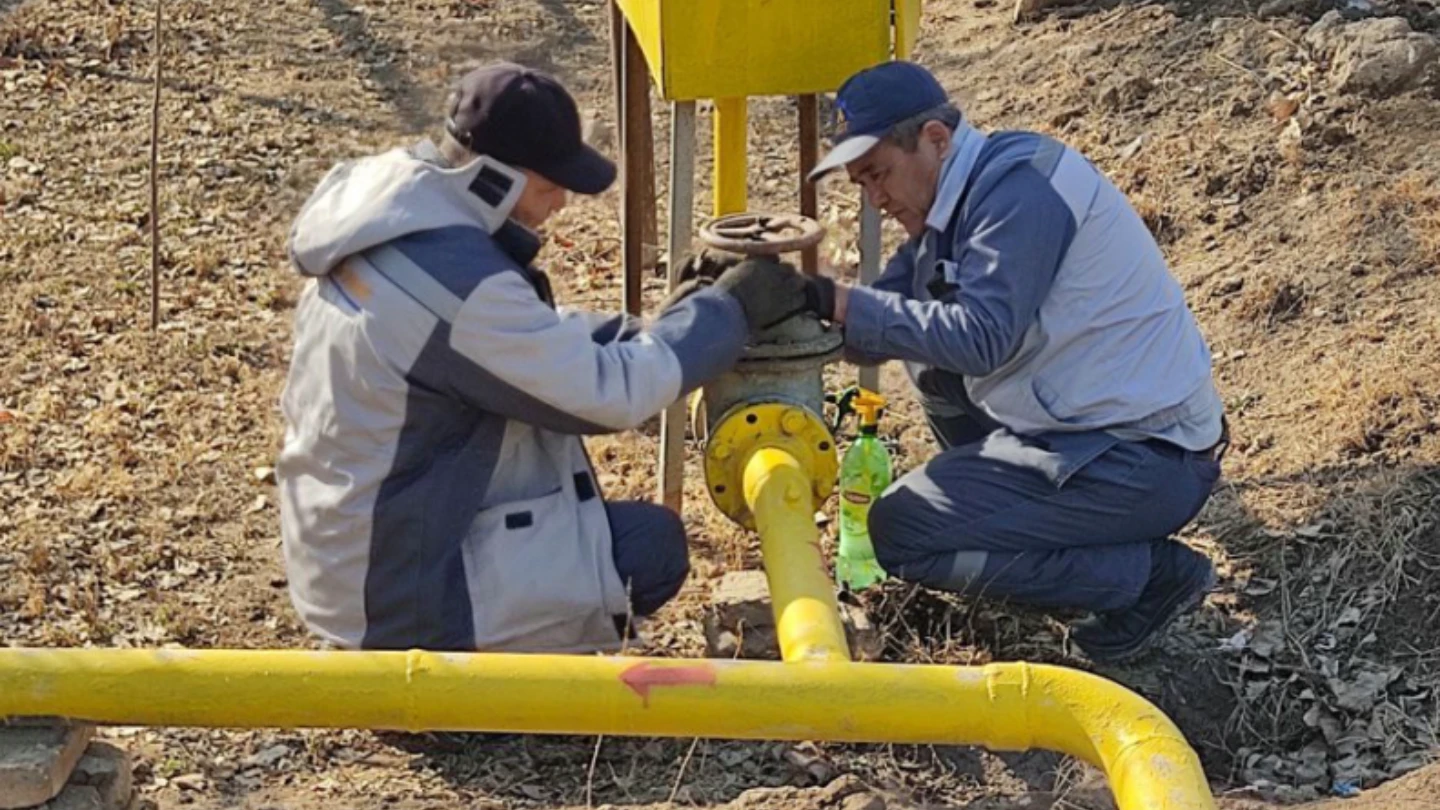
The Hududgaz Gas Distribution Network project is reducing methane emissions across Uzbekistan’s national gas distribution system through a large-scale leak detection and repair programme.
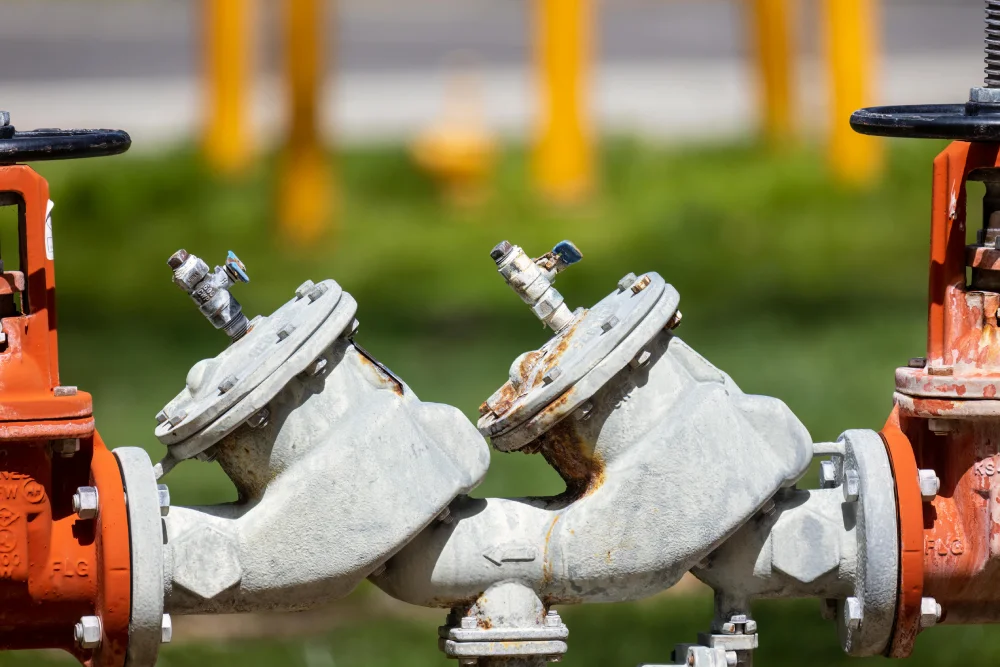
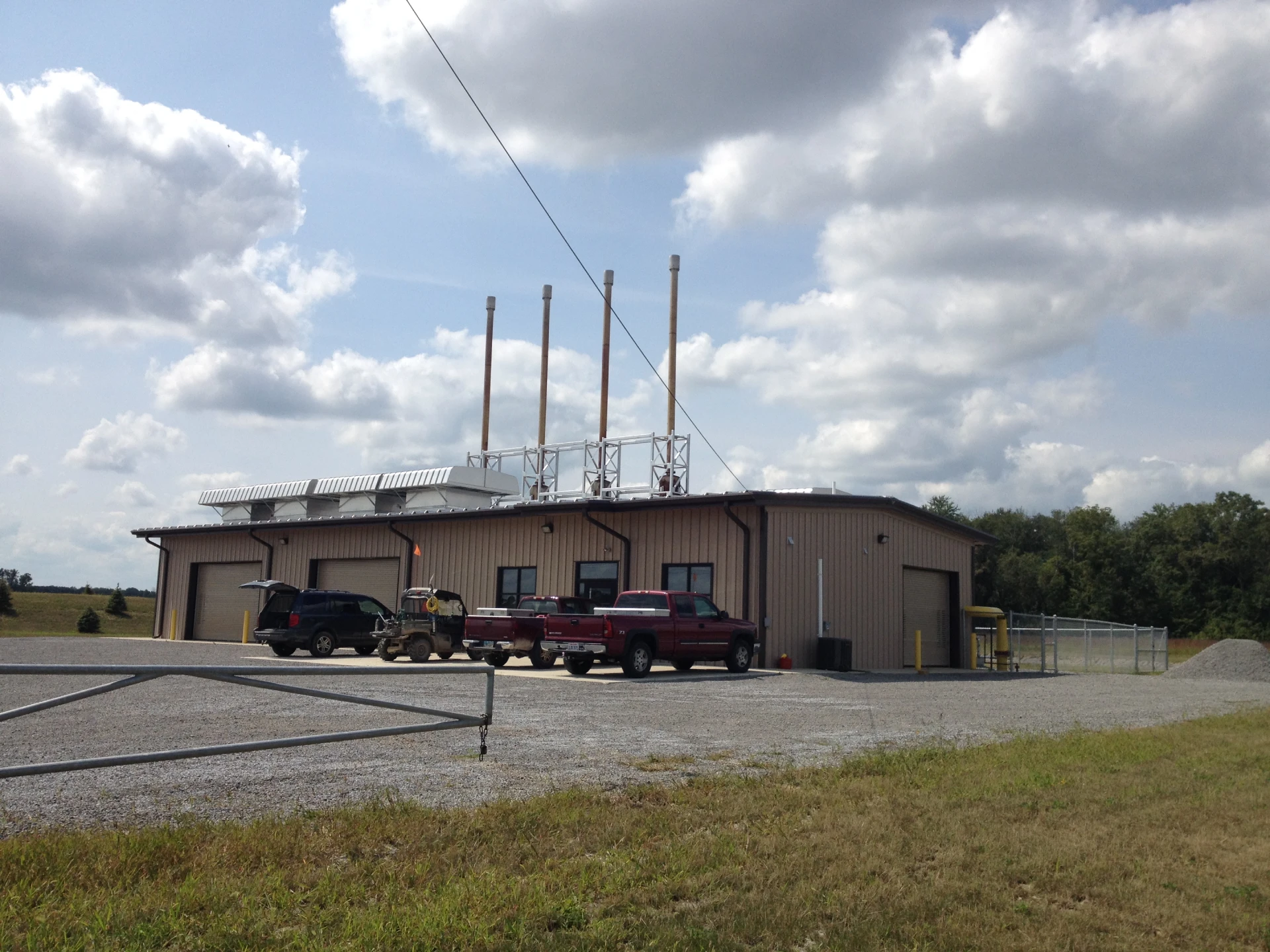
Since becoming operational in 2023, the project has repaired over 52,000 leaks in above-ground components (primarily gas regulation points) across the country, preventing an estimated 400 million cubic metres of natural gas from escaping into the atmosphere each year.
The project is supporting Uzbekistan’s efforts to reduce methane emissions, strengthen its climate policy frameworks and participate in international carbon markets. It received authorisation under Article 6.2 of the Paris Agreement in 2025 and has become a significant example of international carbon market cooperation in the country.
Why this project exists
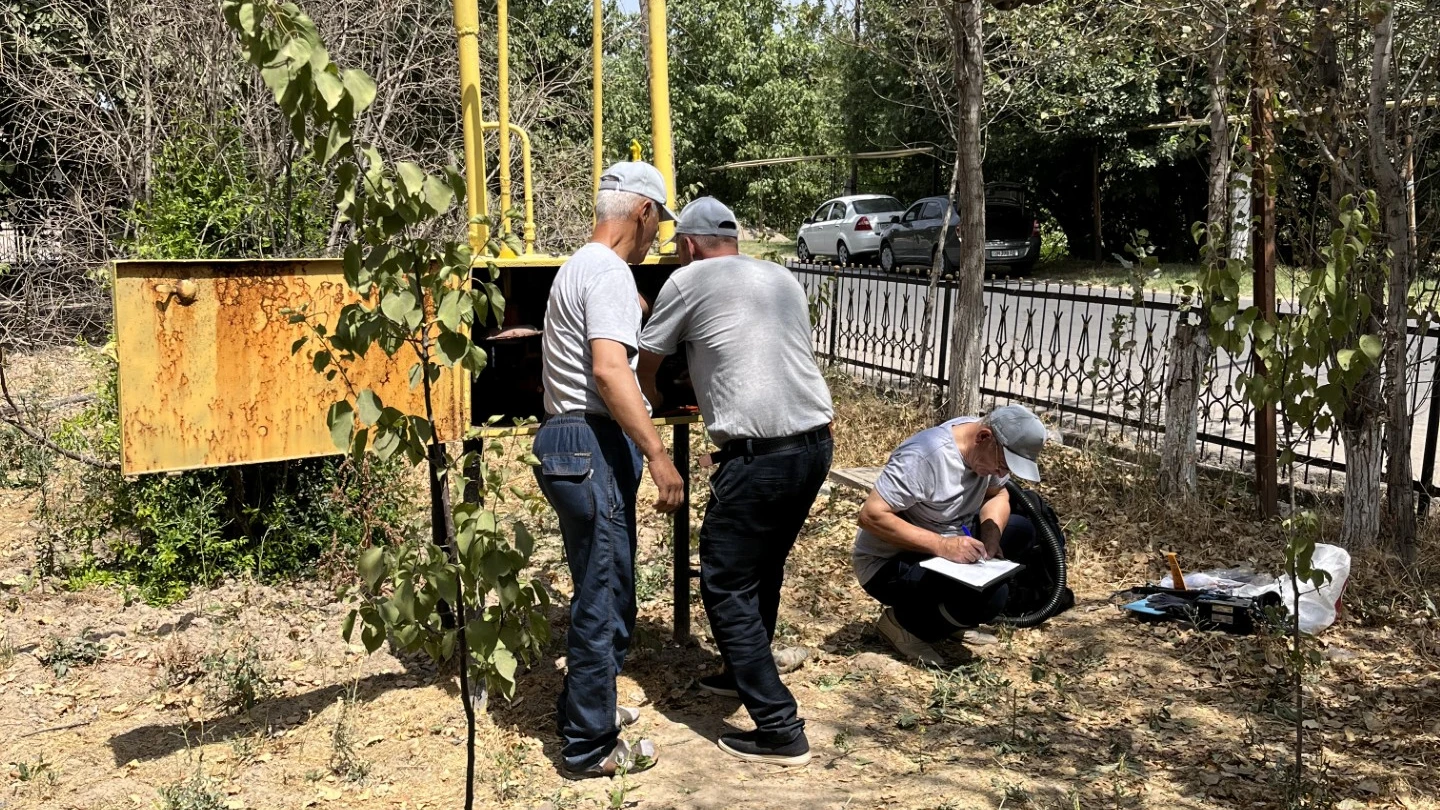
Uzbekistan relies heavily on natural gas for its energy supply, but much of the country’s gas distribution infrastructure is several decades old. Over time, valves, fittings, regulators and other components have developed leaks, releasing methane into the atmosphere.
Hududgaztaminot (Hududgaz) is Uzbekistan’s state-owned gas distribution company. Before the project began, Hududgaz did not have a systematic, measurement-based programme for identifying and repairing these leaks. Lack of funding and limited access to modern equipment meant that maintenance efforts focused primarily on underground leaks posing immediate safety risks, while many above-ground components were not routinely inspected.
The project was developed to address these challenges by using carbon finance to fund a nationwide leak detection and repair programme. This approach makes it possible to rapidly reduce methane emissions while recovering gas that would otherwise be lost from the system.
How integrity is delivered
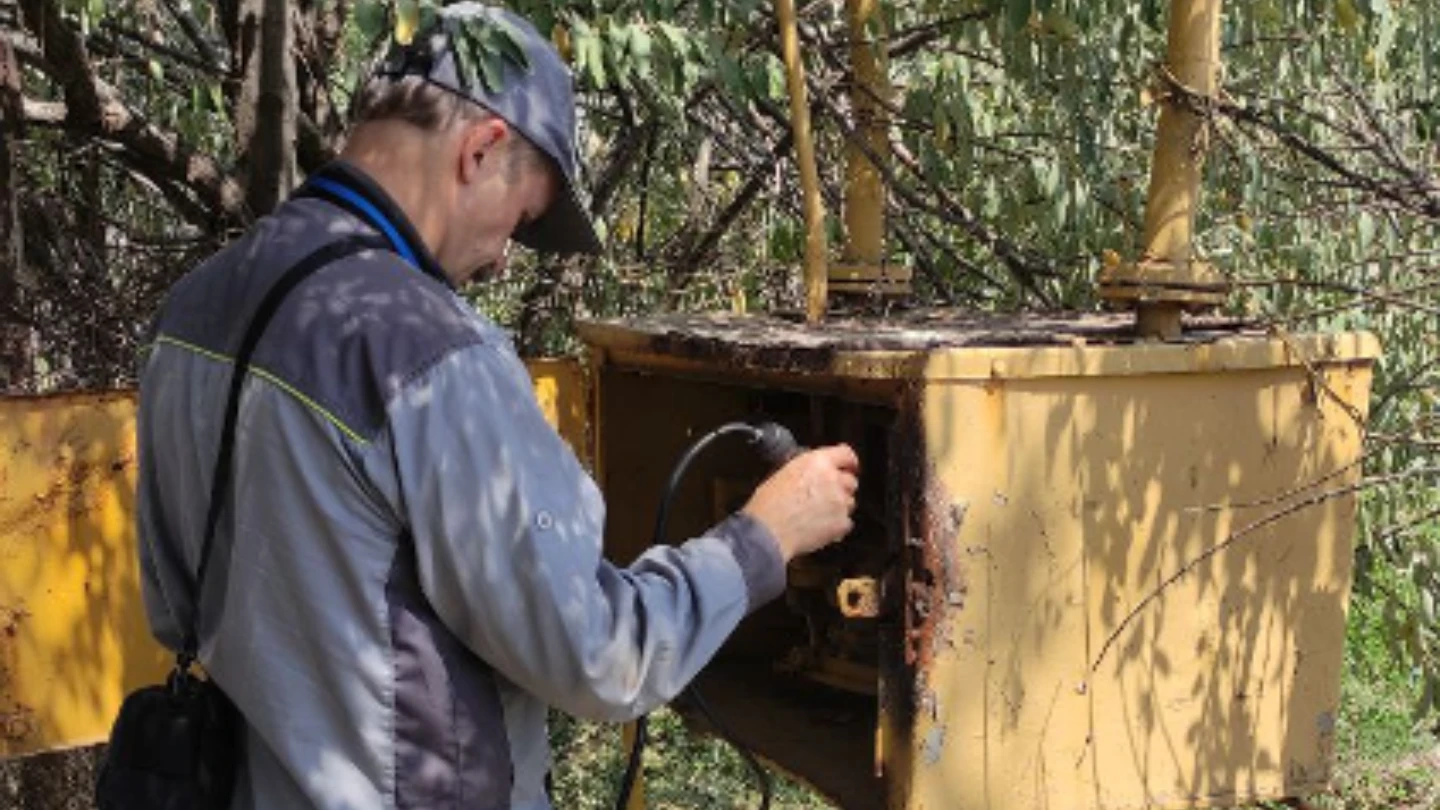
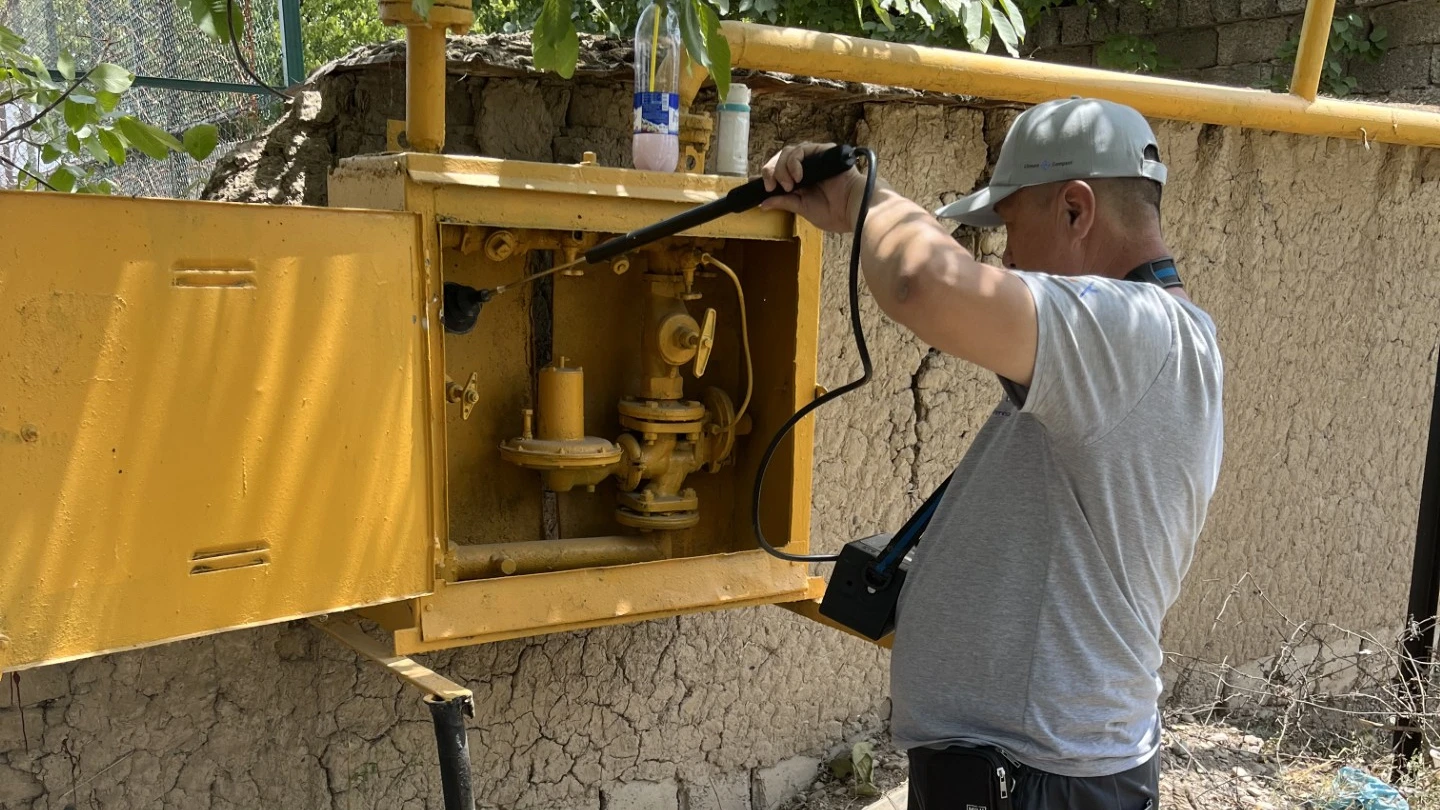
The project uses a rigorous, measurement-based approach to methane mitigation. Leaks are identified using certified detection equipment and measured directly using calibrated high-flow samplers. Emission reductions are calculated individually for each leak using conservative assumptions, and each leak is assigned a unique record.
Repaired components are re-surveyed at least once a year. If a leak reappears, the resulting emissions are measured and deducted from the project’s credited reductions.
Project data undergoes independent quality assurance before third-party verification and credit issuance takes place. Uzbekistan’s Article 6.2 authorisation and a commitment to use corresponding adjustments provide an additional safeguard against double counting.
Government partnership and Article 6 cooperation
Uzbekistan’s evolving climate policies and growing engagement in international climate cooperation have provided important support for the project, with close collaboration between project partners and government institutions playing a key role in its success.
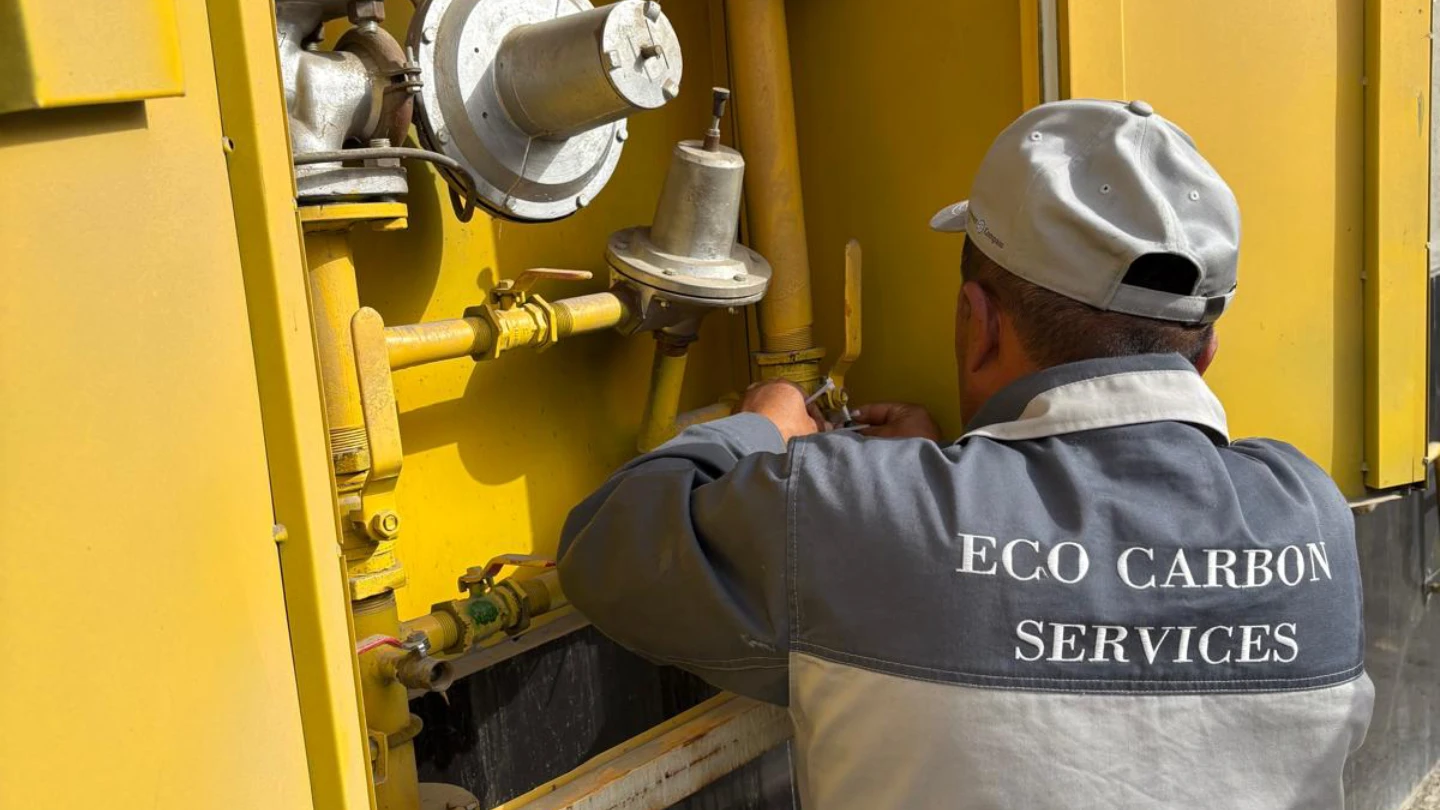
The project depends on a close partnership with Hududgaz. Hududgaz provides access to infrastructure and local personnel whose knowledge has been critical for identifying gas components, conducting surveys and planning repairs.
This collaboration has been reinforced by the government’s support for international carbon market participation. In December 2025, Uzbekistan’s Ministry of Economy and Finance authorised the project under Article 6.2 of the Paris Agreement. The project was subsequently reported to the UNFCCC as part of an Article 6.2 cooperative approach, with a commitment to apply corresponding adjustments to credits authorised for international transfer.
The project also contributes to Uzbekistan’s domestic climate priorities, with 20% of generated credits reserved for use towards the country’s own climate objectives. For example, the project directly supports Uzbekistan’s commitment to cut methane emissions as a participant in the Global Methane Pledge.
By combining international carbon finance with transparent national accounting and a retained domestic contribution, the Hududgaz project demonstrates how international cooperation can help mobilise investment in emissions reductions while supporting the host country’s climate goals.
Results for climate, people and development
According to project monitoring and verification data, it has identified and repaired more than 52,000 methane leaks across Uzbekistan’s gas distribution network. The project is expected to reduce an average of 7.35 million tCO2e per year over its crediting period and retain an estimated 400 million cubic metres of natural gas within the network annually.
As of early October 2026, around 9.49 million CCP-labelled credits have been issued from the project.
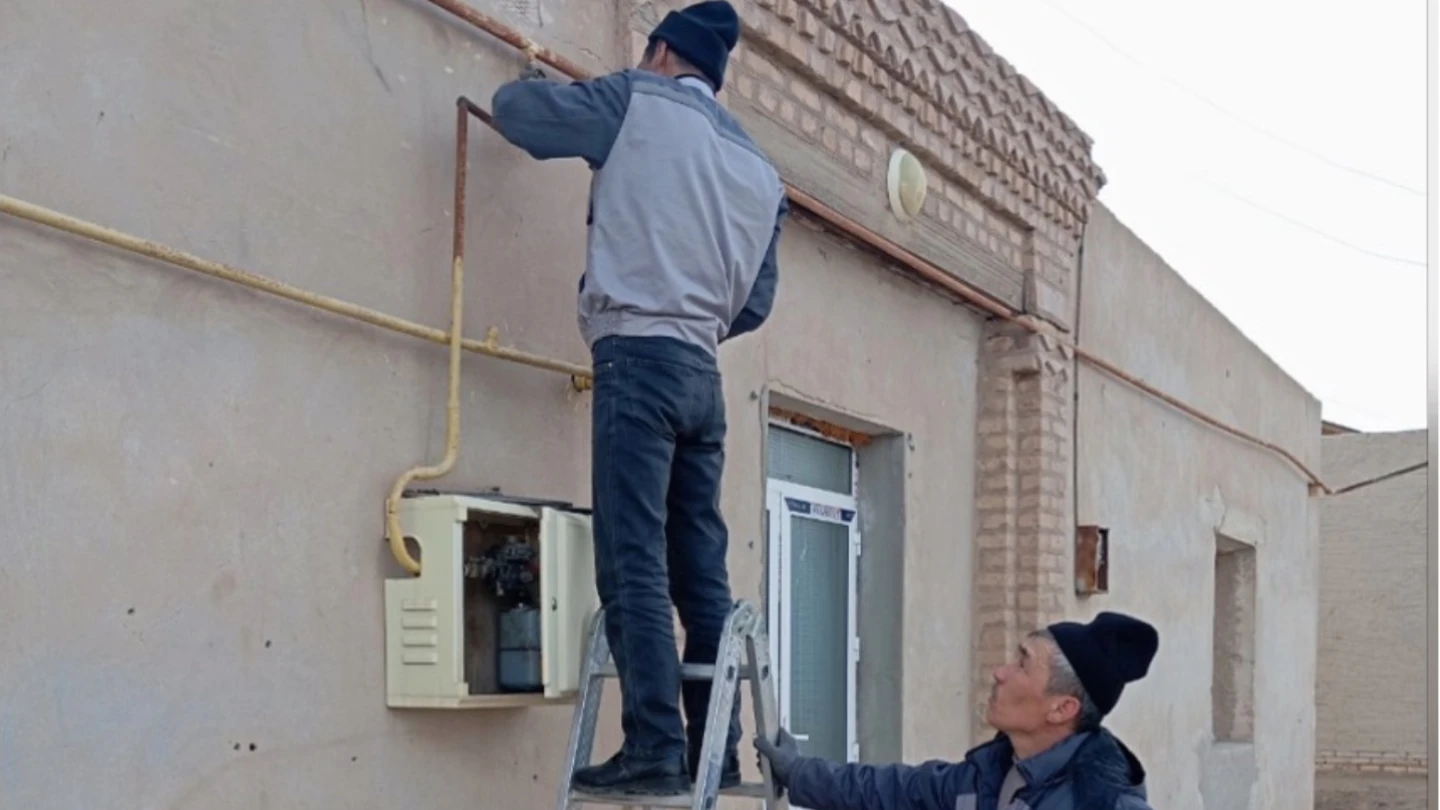
The project has also supported local economic and technical development. More than 200 Uzbek workers have been trained and employed in engineering, monitoring, data management and operational roles. Knowledge shared by international experts has helped build domestic capability in advanced methane detection, measurement and repair.
For households and businesses, repairing leaks helps reduce gas hazards in residential and commercial areas and allows more gas to remain in the distribution network.
“GasGreen Asia collected leak data from across our network and gave it to us in a very structured, detailed way. They trained our teams and local engineers in advanced repair techniques and equipment that were not available to us.”
Hududgaz representative.
Challenges and learning
One of the project’s main challenges has been the timing of Uzbekistan’s regulatory development. Field operations began while the country was still building important elements of its carbon market framework, meaning that project implementation, Article 6 authorisation and national reporting processes progressed in parallel.
This experience underlined the importance of sustained cooperation among project developers, state-owned enterprises and government ministries. Supporting Uzbekistan through its first Article 6 reporting cycle also created a practical learning process for those involved and helped build experience of international carbon market cooperation.
The project has also demonstrated the importance of local knowledge. Hududgaz personnel and local line staff played a central role in locating infrastructure, planning surveys and ensuring coverage of all relevant gas regulation points across the network.
Broader relevance
The Hududgaz project demonstrates how carbon finance can support rapid, large-scale methane mitigation in ageing gas infrastructure while producing measurable climate benefits. By combining measurement of individual leaks, independent verification and carbon finance, it offers a potential model for methane reduction programmes in gas distribution systems where systematic leak detection and repair activities are absent or underfunded.
Its experience is also relevant to countries considering participation in Article 6 cooperative approaches. The project shows how host-country authorisation, corresponding adjustments, national climate objectives and private investment can be integrated within a single project structure. In doing so, it provides a practical example of how carbon markets can support both national climate priorities and wider development benefits.
Learn more about Leak Detection/Repair in Gas Systems
Methane is a potent greenhouse gas that can be emitted during the production and transportation of oil and natural gas.
Leak detection and repair (LDAR) refers to the systematic process of identifying and fixing leaks in natural gas grid and refinery systems.
By implementing LDAR programs, companies can demonstrate measurable reductions, that can be quantified and verified to generate carbon credits according to established protocols and standards.