
How high-integrity carbon markets can support biodiversity and 30×30 targets
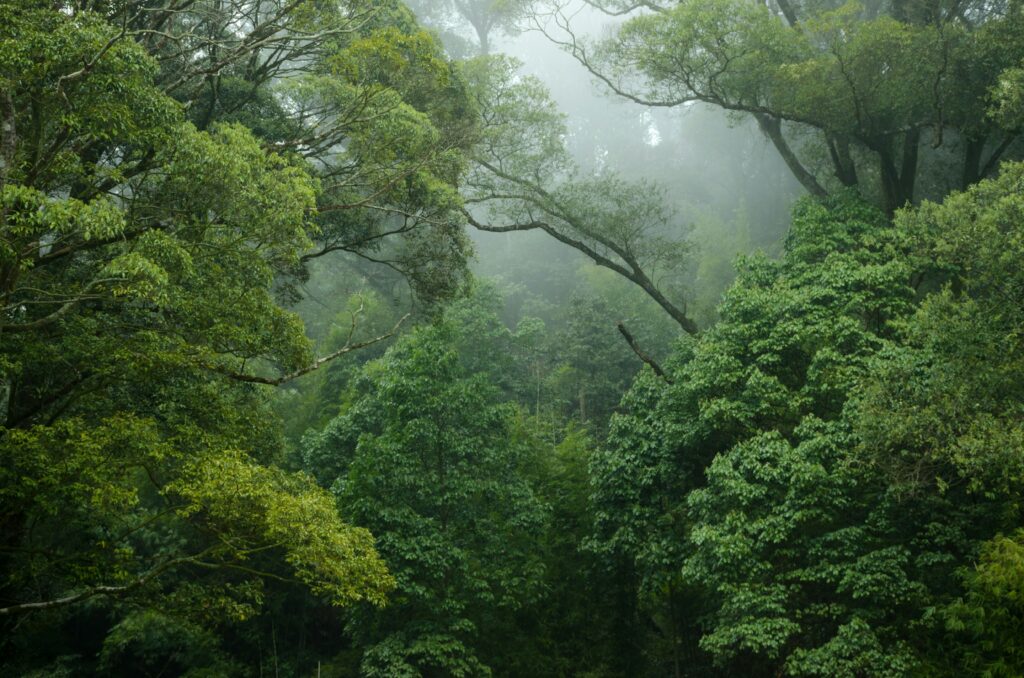
With its deadline fast approaching, the world remains far from its goal of protecting 30% of the planet’s land and oceans.
Government officials, business leaders, civil society groups and various other stakeholders and rights-holders are gathering in Yerevan, Armenia for the 17th meeting of the Conference of the Parties to the Convention on Biological Diversity (CBD COP17) to assess progress towards that critical target.
Running from 19 to 30 October, the conference will mark the first global review of progress under the Kunming-Montreal Global Biodiversity Framework, which in 2022 set the target of halting biodiversity loss through protecting 30% of land and oceans by 2030.
According to the 30×30 Global Assessment 2026 by Campaign for Nature and Together for the Ocean, countries are not on track to meet this goal. Although 20% of the world’s land and inland waters are now designated as protected or conserved, meeting the 30% target will require a substantial increase in funding. An estimated US$100-180 billion is needed annually, compared with current spending of approximately $24 billion per year.
To meet the level of finance required, much greater ambition and innovative financing solutions are needed, spanning both the public and private sectors. High-integrity carbon markets provide a growing opportunity to channel this urgently needed funding. According to investment research and data provider MSCI, the voluntary carbon market could deliver $100 billion annually to nature-based solutions by 2050.
High-integrity carbon projects can help make activities such as forest restoration and improved forest management economically viable for local communities, while creating incentives to maintain those gains over the long term.
Restoring degraded landscapes and protecting forests in the Amazon
In Pará, Brazil, Mombak’s Reforesting the Brazilian Amazon Project 1 is working to restore degraded cattle pastureland to biodiverse native forest. Founded in 2021, it now spans approximately 27,000 hectares across 15 farms.
Using over 100 native tree species, including endangered species, Mombak aims to deliver carbon removals, restore biodiversity and create local economic opportunities through reforestation and sustainable forest-based livelihoods.
Such work is vital given the pressures facing the Brazilian Amazon. More than 60 million hectares of forest have been lost over recent decades, with the land often converted to cattle pasture. Pará is the state with the highest level of deforestation in Brazil, while many people in the region have limited access to formal employment opportunities.
The project creates an economic case for restoring these landscapes and has received significant support from the Brazilian government. It is supported by a $19 million Fundo Clima loan from the Brazilian Development Bank (BNDES), and the World Bank’s Reforestation-Linked Outcome Bond is directing a further $36 million to Mombak. The project also aligns with Planaveg – Brazil’s landmark target to restore 12 million hectares of native vegetation by 2030.
As of July 2026, more than 15 million seedlings had been planted. The project began issuing carbon credits in mid-2026 and is expected to generate more than seven million tonnes of carbon removals during its crediting period under a methodology that is aligned with the Integrity Council’s Core Carbon Principles (CCPs). It has created approximately 600 jobs directly so far, offering new sources of employment for residents of nearby municipalities, including former cattle-ranch workers.
Centering both Indigenous Peoples and local communities
Respect for the rights, roles, interests and knowledges of Indigenous Peoples as well as local communities is a critical component of high-integrity carbon markets. This must include genuinely meaningful participation, fair benefit sharing and, where applicable, Free, Prior and Informed Consent – including the right to say no.
Many such communities continue to suffer the effects of historic inequalities and development approaches that have failed to respect their governance systems, knowledges, interests and rights. As a result, concerns have been raised about the impacts of some carbon market activities and in some cases, evidence of harm has been found.
Stronger standards, oversight, accountability and continual improvement can help reduce the risk of harm and increase social and environmental benefits. Ensuring community leadership also enables carbon projects to deliver stronger, more durable climate action and sustainable development outcomes.
The CCPs are designed to establish consistent, rigorous standards for integrity across the voluntary carbon market, including robust safeguards for both Indigenous Peoples and local communities. The CCPs set out guidelines to ensure that high-integrity carbon projects generate sustainable economic and development outcomes for communities. CCP-Eligible programs are now estimated to account for more than 95% of cumulative voluntary carbon market issuances, shaping expectations across the market.
The Integrity Council also supports the Indigenous Peoples and Local Communities Engagement Forum – a self-led platform that works to enable communities who choose to engage to shape carbon market practices.
Community-led stewardship in Mexico
In Mexico, the CCP-Eligible Ejido Topia forest carbon project offers a community-led model for integrated responses to climate change and nature loss. Founded in 2020, the project covers more than 7,800 hectares of pine and pine-oak forest in the northwestern state of Durango.
The project was developed by the ejido, a community-owned and collectively governed landholding, in the municipality of Topia and implemented by UCDFI TOPIA under Climate Action Reserve’s (CAR) Forest Protocol for Mexico v3.0. It uses improved forest management to increase carbon storage, conserve biodiversity and support the long-term stewardship of the forest. It has issued 115,350 CCP-labelled carbon credits to date.
Community participation is embedded in the project’s governance. Before implementation, the project underwent a Free, Prior and Informed Consent process in the Ejido Assembly, the ejido’s highest representative decision-making body. This enabled community members to consider the project’s objectives, requirements and anticipated benefits before agreeing.
The Assembly remains central to project operations, approving strategic decisions concerning land management, conservation measures, community participation and the distribution of benefits.
The sale of carbon credits has generated over US$880,000 (MXN 15.8 million) in revenue, of which $124,000 has been distributed directly among the ejido members. The remaining $756,000 has been allocated to community initiatives, including constructing a new Ejido Hall to provide a dedicated space for collective decision-making.
The project has also created employment opportunities for around 112 community members through the construction of filtration dams and firebreaks, deadwood clearance, reforestation and other conservation measures.
“For the Topia ejido, this project represents an opportunity to conserve our forests without giving up our way of life. We have learnt that, when there is clear information, participation by the Assembly and commitment from all parties, it is possible to make decisions that benefit both the ejido and the future of our territory.” – José Félix, Ejido Commissioner of the Topia ejido.
Conclusion
The scale of the biodiversity finance gap means that no single source of funding can enable the scale of nature restoration required. However, high-integrity carbon markets can play an important role in directing capital towards climate action and nature protection, complementing public finance and other private-sector initiatives.
Critical to the long-term effectiveness of carbon projects are robust standards, clear guidance and safeguards that ensure that Indigenous Peoples as well as local communities are involved in project design, planning and implementation. Communities should be leaders and co-creators of climate solutions and supported to engage as informed, self-determined and equal partners.
The direction of travel is encouraging: stronger standards, greater scrutiny and initiatives such as the CCPs are helping build a carbon market with greater integrity and fairness, helping to close the finance gap for nature protection and restoration while putting the rights and interests of communities at its heart.