Family Forest Carbon Program (FFCP)
Co-developed by the American Forest Foundation, The Nature Conservancy and TerraCarbon
Verified Carbon Standard
Improved Forestry Management
VM0045 Improved Forest Management Methodology Using Dynamic Matched Baselines from National Forest Inventories – 1.2
United States of America
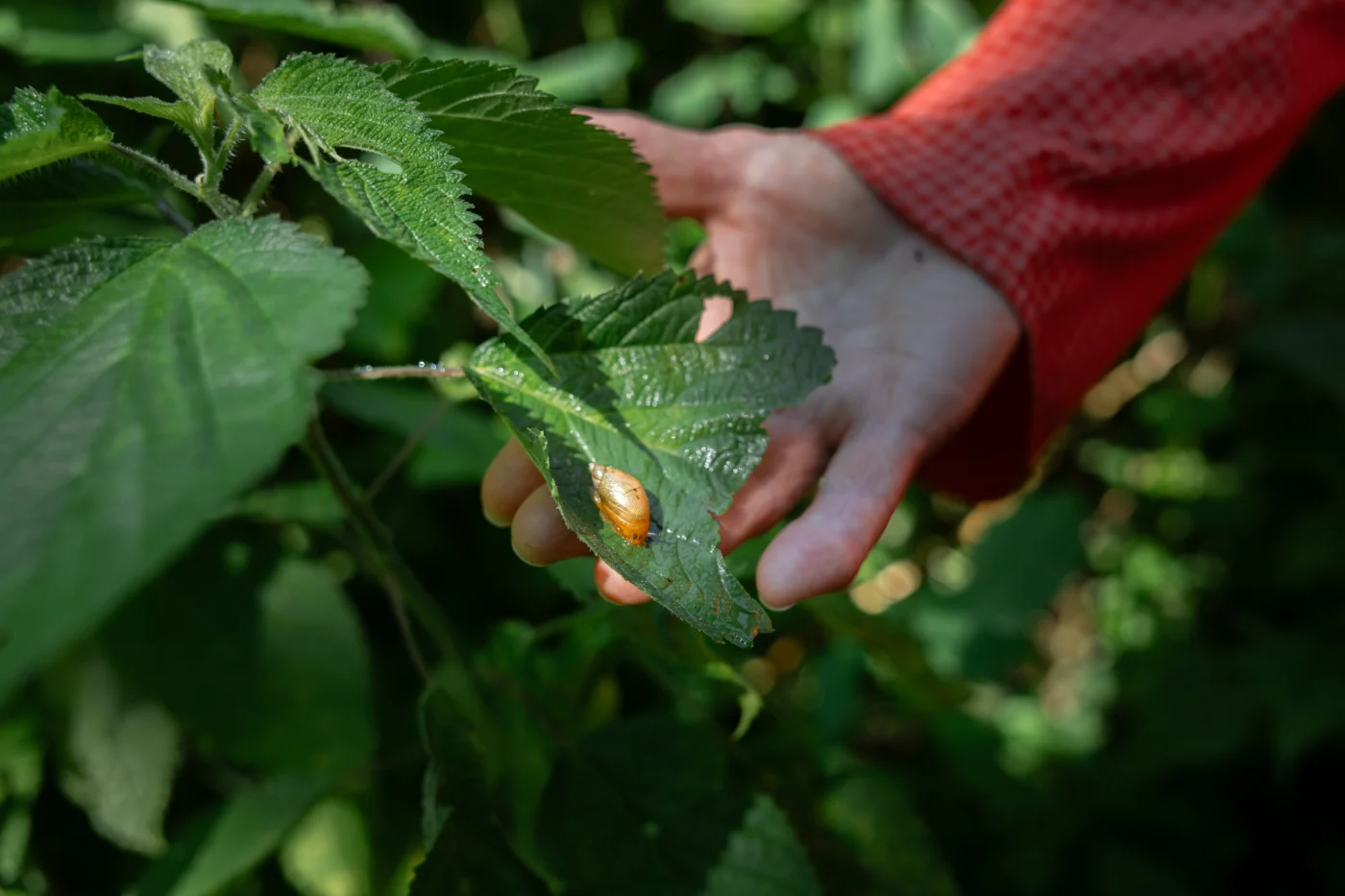
The Family Forest Carbon Program (FFCP) helps small private landowners across 20 US states improve forest health while accessing carbon revenues.
This case study focuses on an FFCP-group project that combines annual payments, technical assistance and stewardship support to encourage sustainable forest management that increases carbon storage and removals.
Its design enables owners of forest holdings as small as 12 hectares (30 acres) to participate in markets by reducing cost and complexity. The project enrolled its first landowners in 2020, issued credits in November 2025, and is undergoing its next verification.
Why this project matters
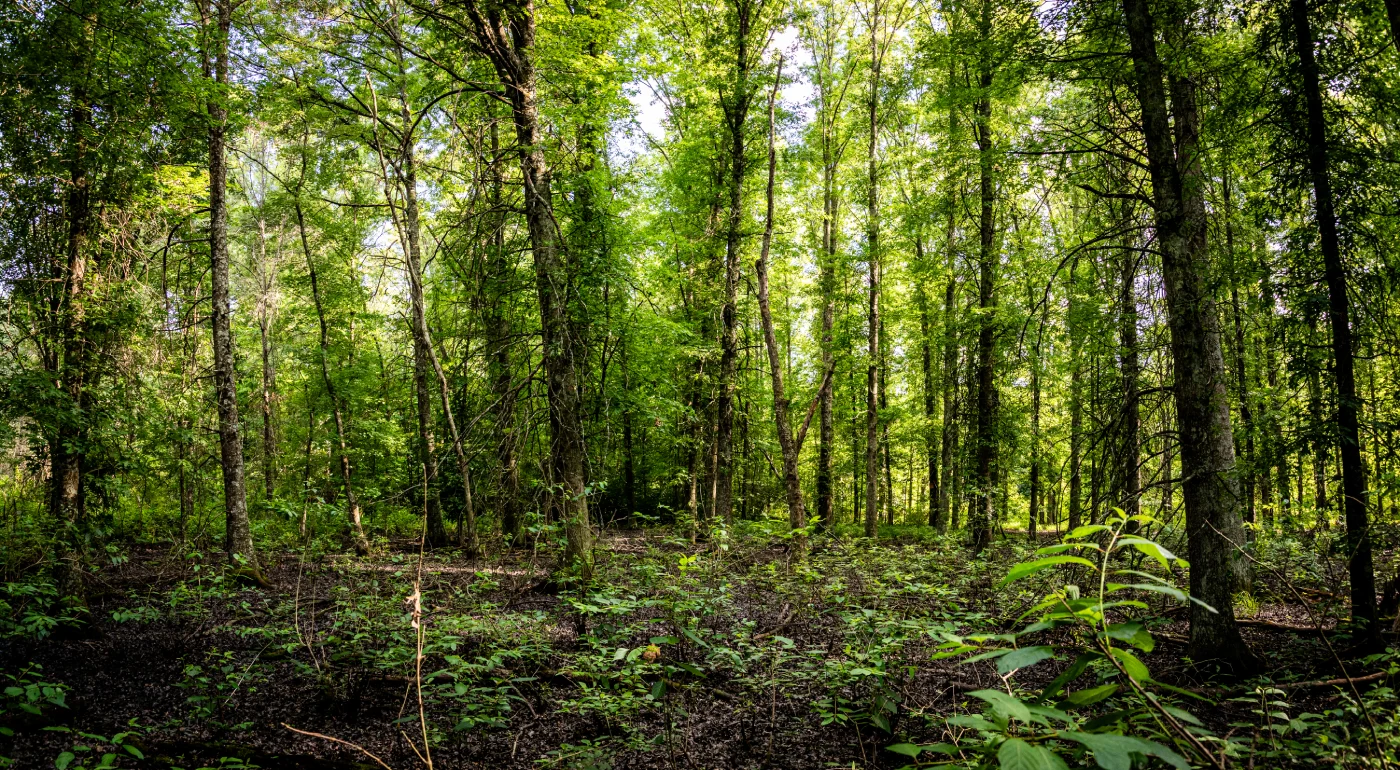
Carbon market participation has traditionally been more accessible to larger landowners. Many smaller ownerships have lacked the scale, resources or technical support needed to participate. At the same time, some forests face pressure from unsustainable harvesting practices that can reduce long-term productivity and carbon storage.
FFCP was designed to address both challenges. By grouping many small properties into a single project, it creates a practical mechanism for family landowners to access carbon revenues while improving long-term forest management. This focus is significant because family forest owners hold approximately 37% of forested land in the US, the largest share of any ownership group, yet have often been excluded from climate finance opportunities.
The project combines financial incentives with technical support and outreach designed to broaden participation, including among underserved landowners. Early development was supported through grants from the US Department of Agriculture’s Natural Resources Conservation Service and the US Forest Service, which helped test and scale the program.
How integrity is delivered
FFCP uses Verra’s VM0045 Improved Forest Management methodology, co-developed by the American Forest Foundation, The Nature Conservancy and TerraCarbon. Additionality is assessed through a matched dynamic baseline approach that compares project forests with carefully selected reference plots from the US National Forest Inventory. Carbon benefits are determined by comparing project performance with these reference plots over time.
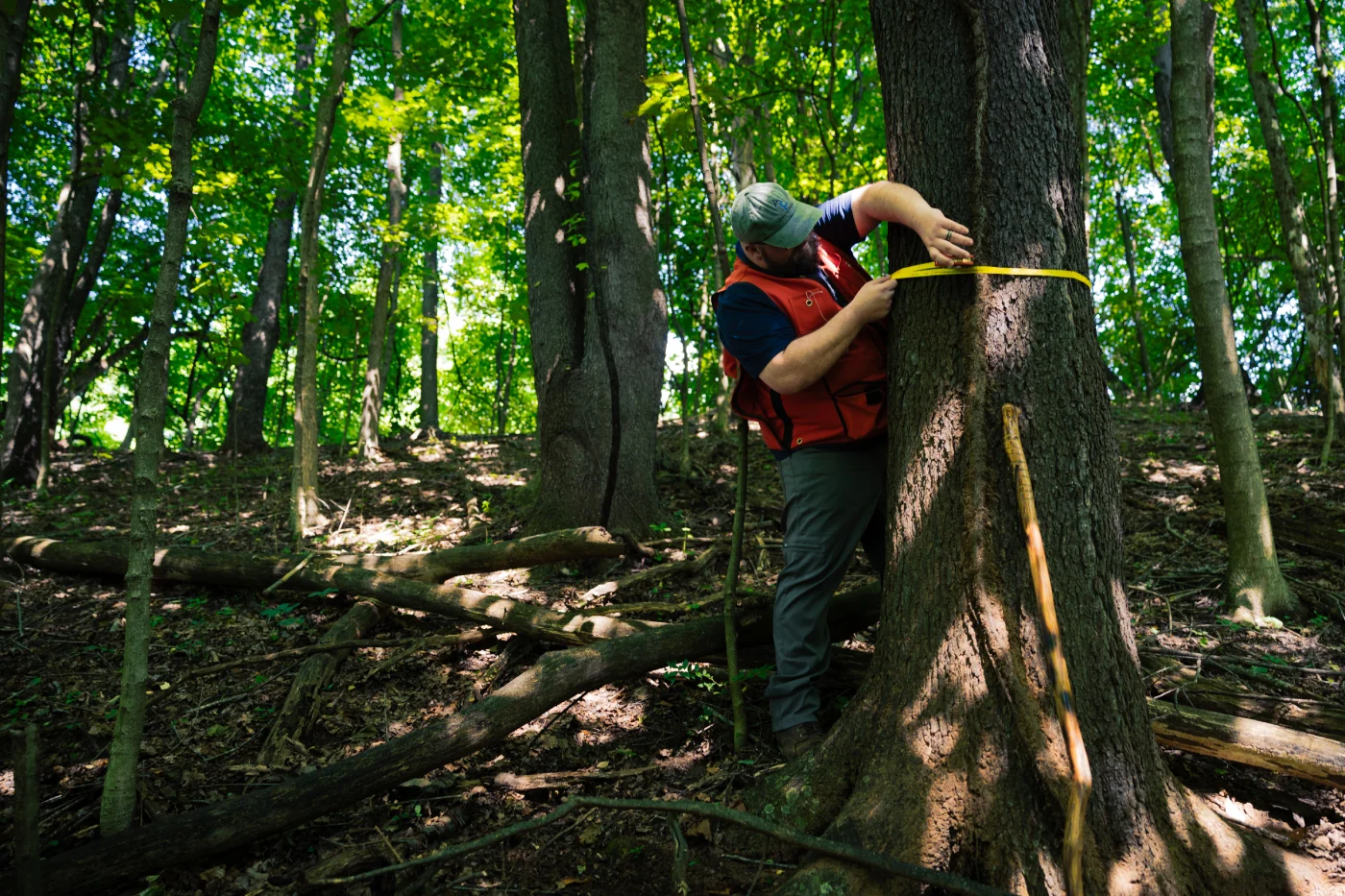
Project outcomes are monitored through field sampling conducted by local forestry teams and verified by an independent accredited auditor before credits are issued. Annual remote-sensing monitoring is also used to identify gains and losses across all enrolled forests.
The project is a program of the Family Forest Impact Foundation, an affiliate of the American Forest Foundation. Other partners helpful in the development of the program include The Nature Conservancy and TerraCarbon, with participating landowners contributing through voluntary enrolment, ongoing engagement and feedback processes.
Forest carbon stocks can face risks such as wildfires, pests, disease and other disturbances. To help address these, the project combines sustainable forest management with a dedicated Permanence Fund, which sets aside a portion of program proceeds for long-term, ongoing monitoring, reversal prevention and compensation. Credits are issued and tracked only through the Verra Registry, helping prevent double counting and support traceability.
The project also incorporates safeguards including title verification, a Free, Prior and Informed Consent (FPIC)-based enrolment process and a public grievance mechanism.
Results for landowners and climate
The project’s primary beneficiaries are participating family forest owners. Through the first two cohorts, more than $1 million had been paid to landowners, alongside support for professional forestry consultations and forest management planning. The project recorded 267 consultations with foresters or natural-resource professionals and supported the creation of 57 new forest management plans.
More than 80,000 hectares (200,000 acres) have been enrolled in sustainable forest management across the US, with over 40,000 hectares (100,000 acres) in the central Appalachian region. During its first reporting period, the project delivered more than 18,000 verified tonnes of CO₂ removals, all issued as CCP-labelled credits.
FFCP also seeks to expand access to carbon markets for landowners who have traditionally faced barriers to participation. Partnerships with organisations such as the National Indian Carbon Coalition as well as targeted recruitment of small and underserved landowners aim to broaden participation and improve access to technical support.
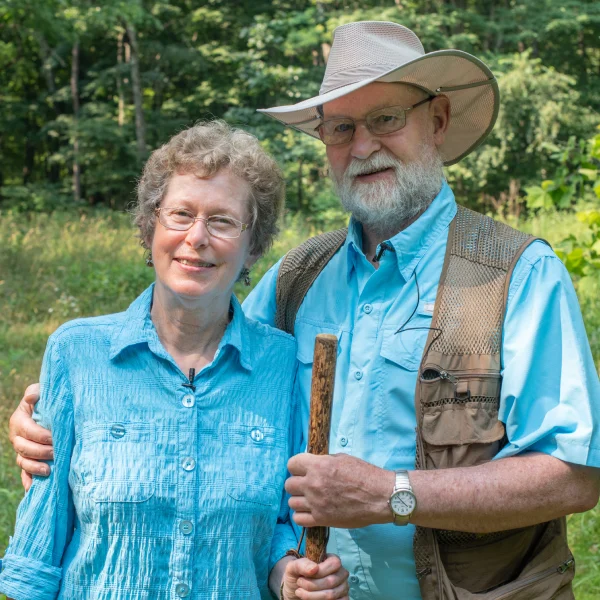
“Having informed, long-term stewardship, with clear records and continuity for our land over time is a positive outcome for us as landowners and for our heirs.”
LAURA JACKSON
The first landowner to join the FFCP.
Challenges and learning
Significant time and effort are required to build trusted relationships with thousands of family forest owners as they commit to improved forest management practices, while implementing a new methodology and dynamic baseline approach.
Experience has reinforced the importance of combining financial incentives with technical support, maintaining continuous stakeholder engagement and feedback, as well as investing in outreach to underserved groups.
Broader relevance
FFCP demonstrates how high-integrity carbon projects can engage small private forest owners at scale. The project combines a grouped-project approach with dynamic baselines and a dedicated permanence mechanism, offering lessons for projects seeking to reach smaller landowners while maintaining rigorous carbon-accounting requirements.
Across its operating regions, FFCP reports more than 81,000 hectares (200,000 acres) and more than 1,500 landowners enrolled. The project expects to generate more than eight million CCP-labelled credits over the coming decades and may offer useful lessons for policymakers, methodology developers and projects seeking to expand participation in carbon markets while maintaining environmental integrity.

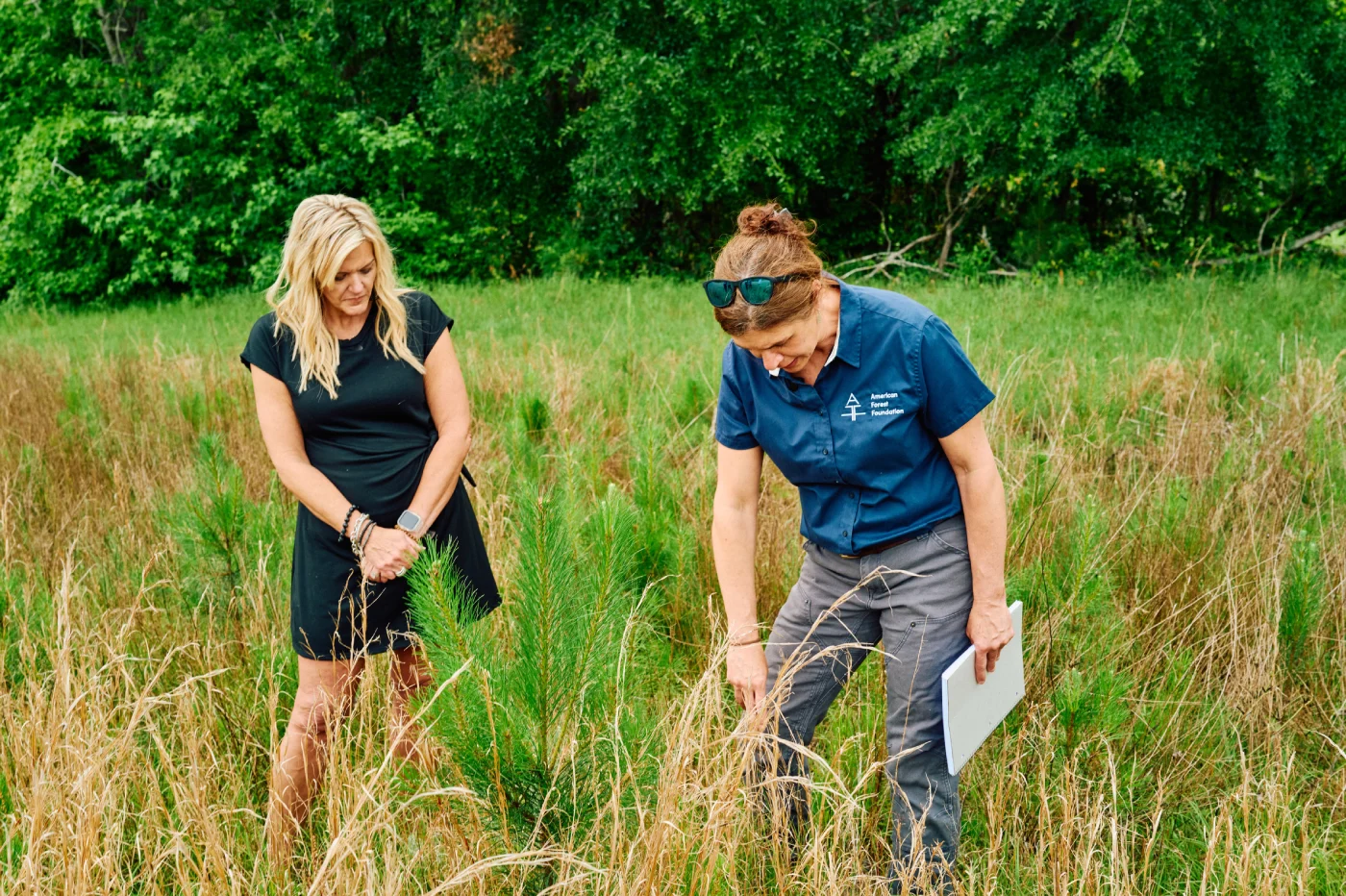
“What we want to create is not just about the winery – it’s about being good stewards of the land and creating a destination where people can come and see what conservation looks like. I have already learned an incredible amount about the potential our little piece of nature can make on helping address climate change and I hope others are able to find this program as well.”
BRYCE TREZISE
Owner of TerraVox Winery and FFCP participant.
Learn more about Improved Forest Management
Forested areas are one of our front-line defences against the rising tide of climate change, trapping carbon and providing shelter for the thousands of species which make up the rich biodiversity of this planet – many of which we are at risk of losing.
mproved Forest Management (IFM) practices are designed to avoid the emissions that would typically be created from harvest or natural disturbance of forested areas (for example, wildfires), as well as enhancing the capacity for these areas to naturally store carbon.