CAR1513 US Rice Methane Reduction
AgriCapture
Climate Action Reserve
Sustainable Agriculture (Rotational Crops Low Till No Tillage etc)
CAR U.S. Soil Enrichment Protocol – 1.1
United States of America
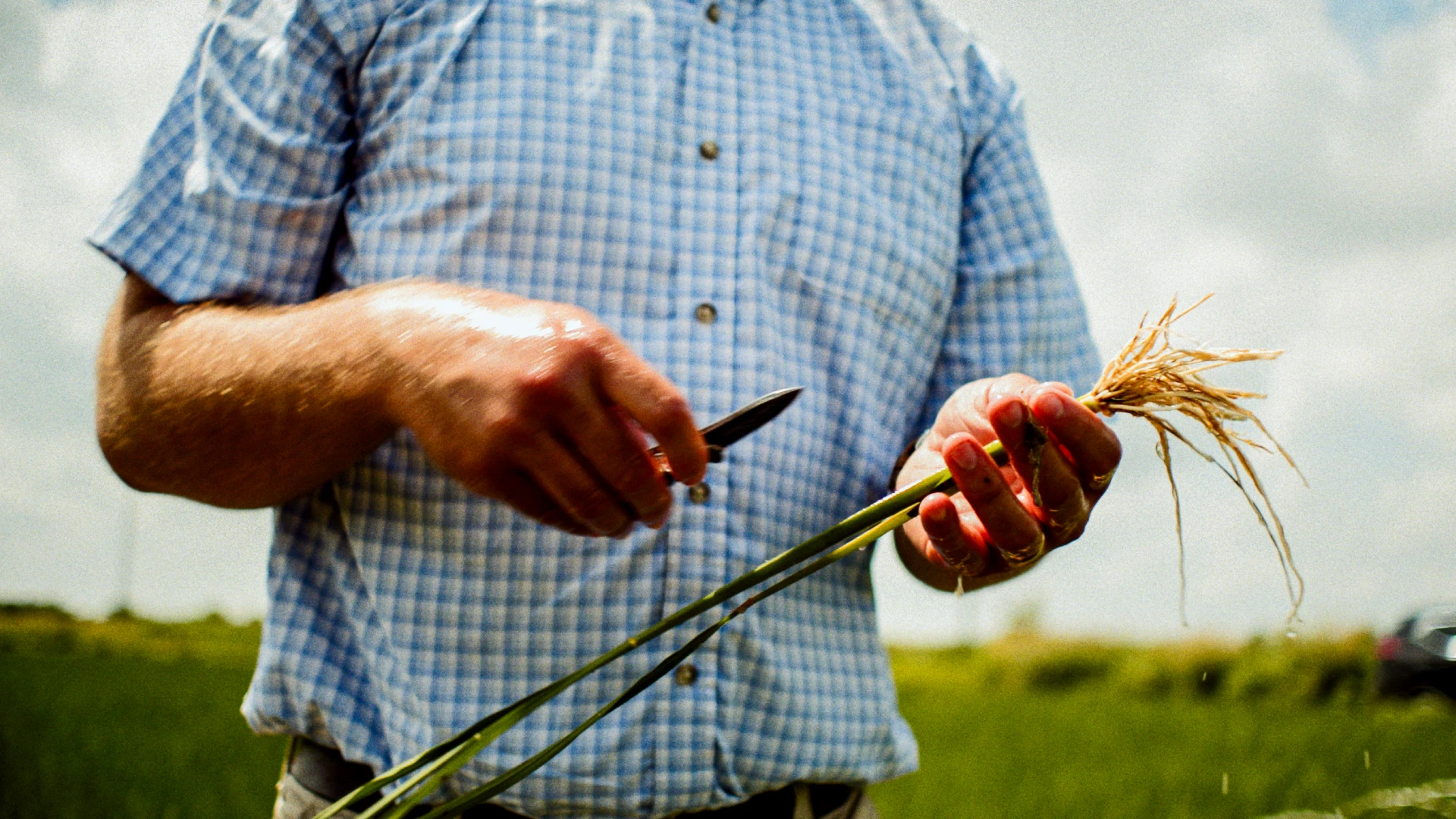
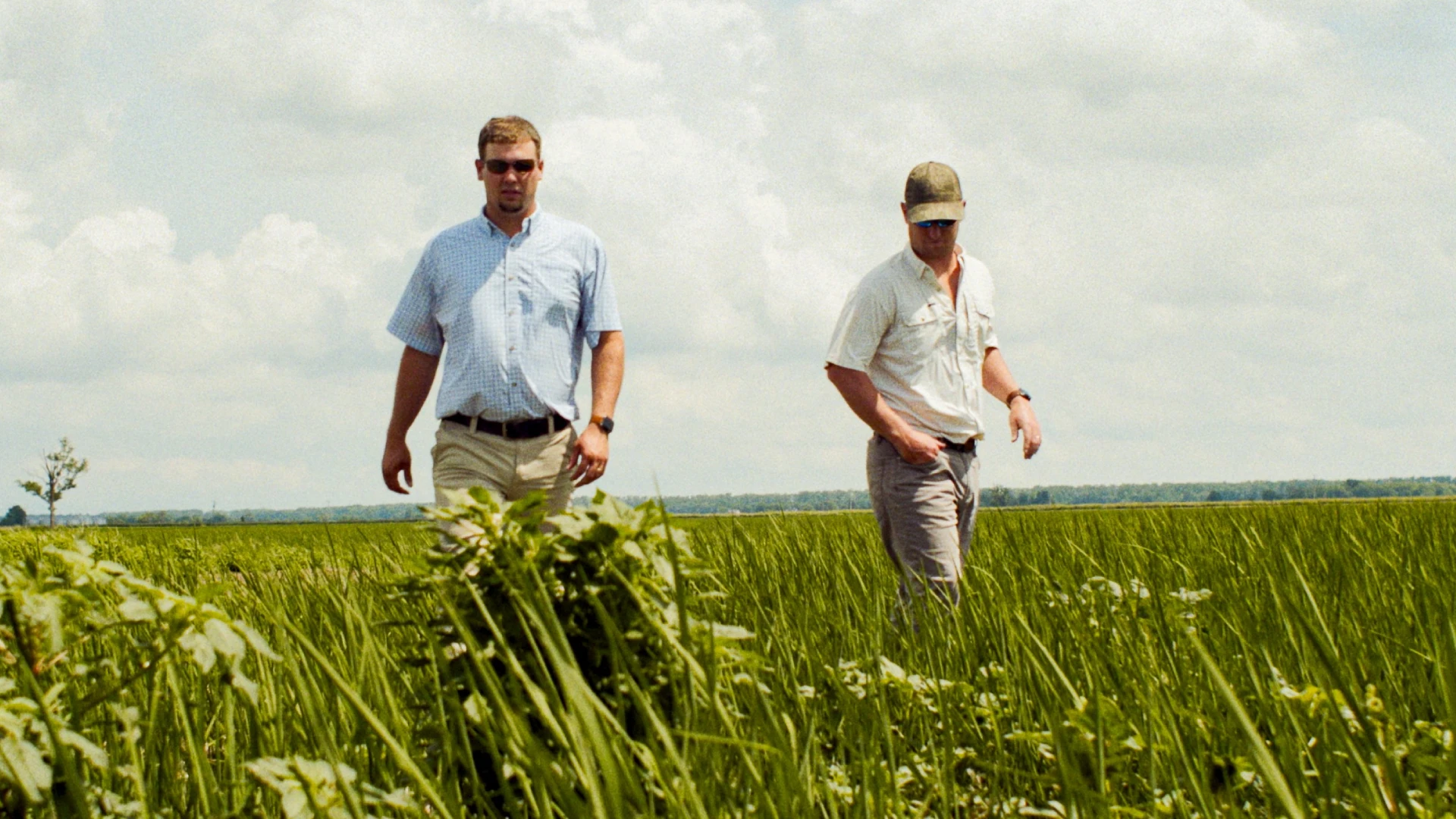
The AgriCapture US Rice Methane Reduction project helps farmers across all six US rice-growing states adopt water-saving irrigation practices while creating new revenue opportunities through carbon markets.
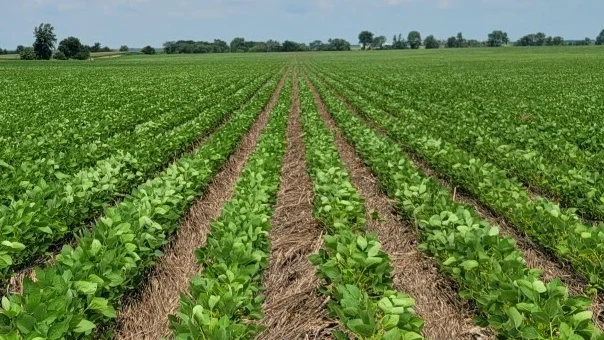
By replacing continuous flood irrigation with Alternate Wetting and Drying (AWD) and Furrow-Irrigated Rice (FIR), participating farmers can conserve water and reduce methane emissions from rice cultivation.
The project delivered the first carbon credit payments to US rice farmers for adopting these practices. Founded in 2021, it issued its first verified carbon credits in 2022 and has since completed four annual verification cycles.
Why this project matters
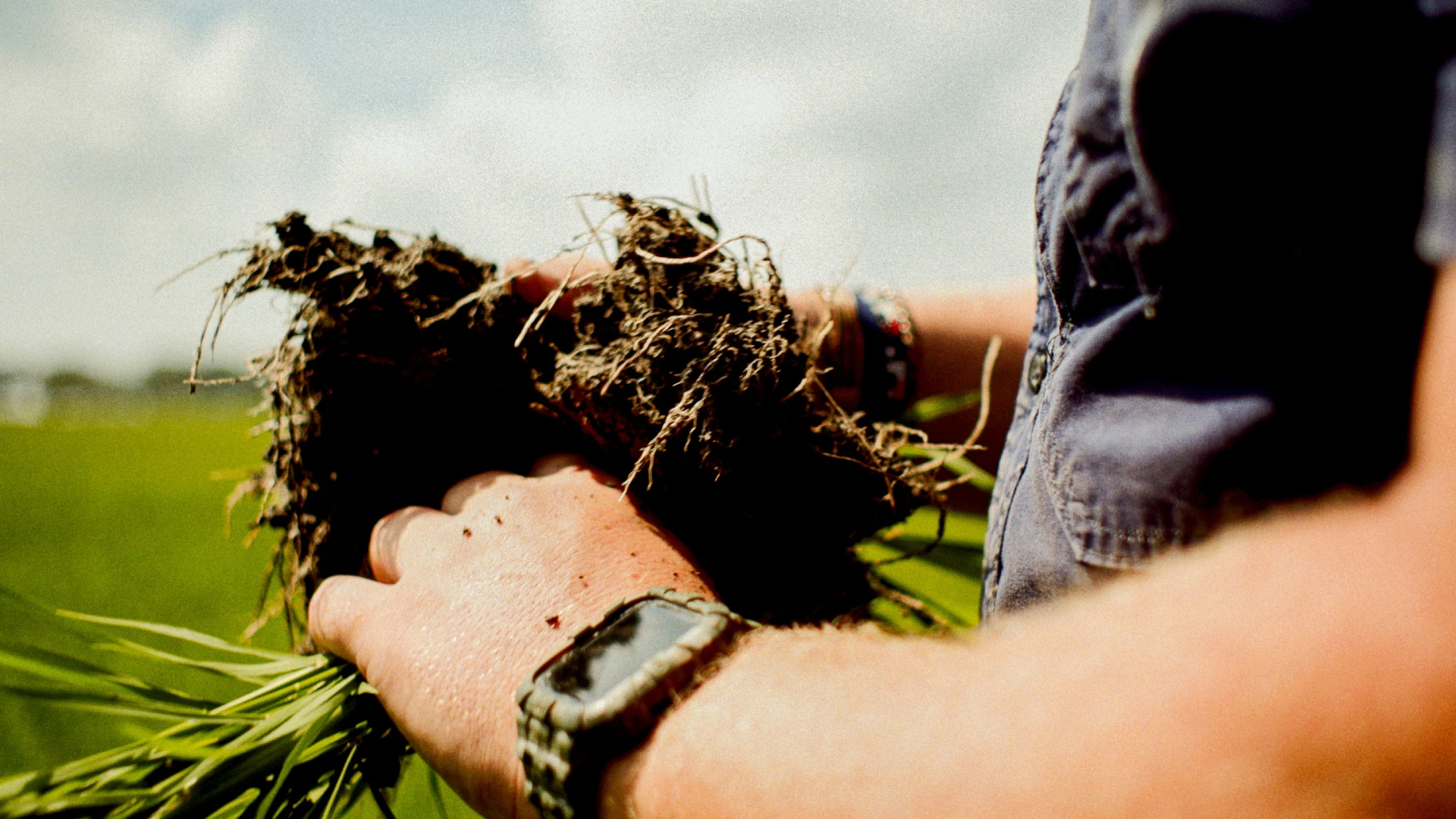
Rice farming in the United States has traditionally relied on continuous flood irrigation. This uses large volumes of water and generates significant methane emissions. Farmers interested in adopting alternative irrigation methods have often faced financial, practical and cultural barriers, with little opportunity to benefit financially from changing long-established practices.
AgriCapture was designed to help make that transition financially viable through carbon revenue. The project operates within the Mississippi River Alluvial Aquifer region, where agricultural withdrawals have contributed to groundwater depletion and concerns about long-term water availability.
To support adoption, AgriCapture developed a farmer-first model combining transparent revenue sharing, streamlined data collection and practical agronomic support. This helps reduce barriers to participation and ensures farmers benefit financially from water-saving, methane-reducing practices.
How integrity is delivered
Farmers participate voluntarily through agreements that define carbon rights and revenue-sharing arrangements. Structured feedback from farmers and agricultural partners helps improve project design, data collection and project systems.
The project uses multiple layers of monitoring and verification to ensure emissions reductions are quantified conservatively and accurately. Emissions are estimated using the DNDC model and a Monte Carlo-based crediting approach, with credits issued at the lower end of modelled results.
Practice changes are verified through satellite monitoring, water-flow data, geotagged photographs and farm-management records. Farmers submit data through AgriCapture’s Acre360 platform, and independent third-party verification takes place annually before any credits are issued.
Credits are issued and tracked through the Climate Action Reserve registry. Serialised credits and field-level records help prevent double counting, while farmers are prohibited from enrolling the same fields in competing greenhouse gas projects.
Transparency and practical support are important elements of the project. AgriCapture provides access to agronomists and research specialists who help farmers adopt new irrigation practices, while evidence from universities and the US Department of Agriculture helps address questions about implementation and performance.
Results for farmers and water resources
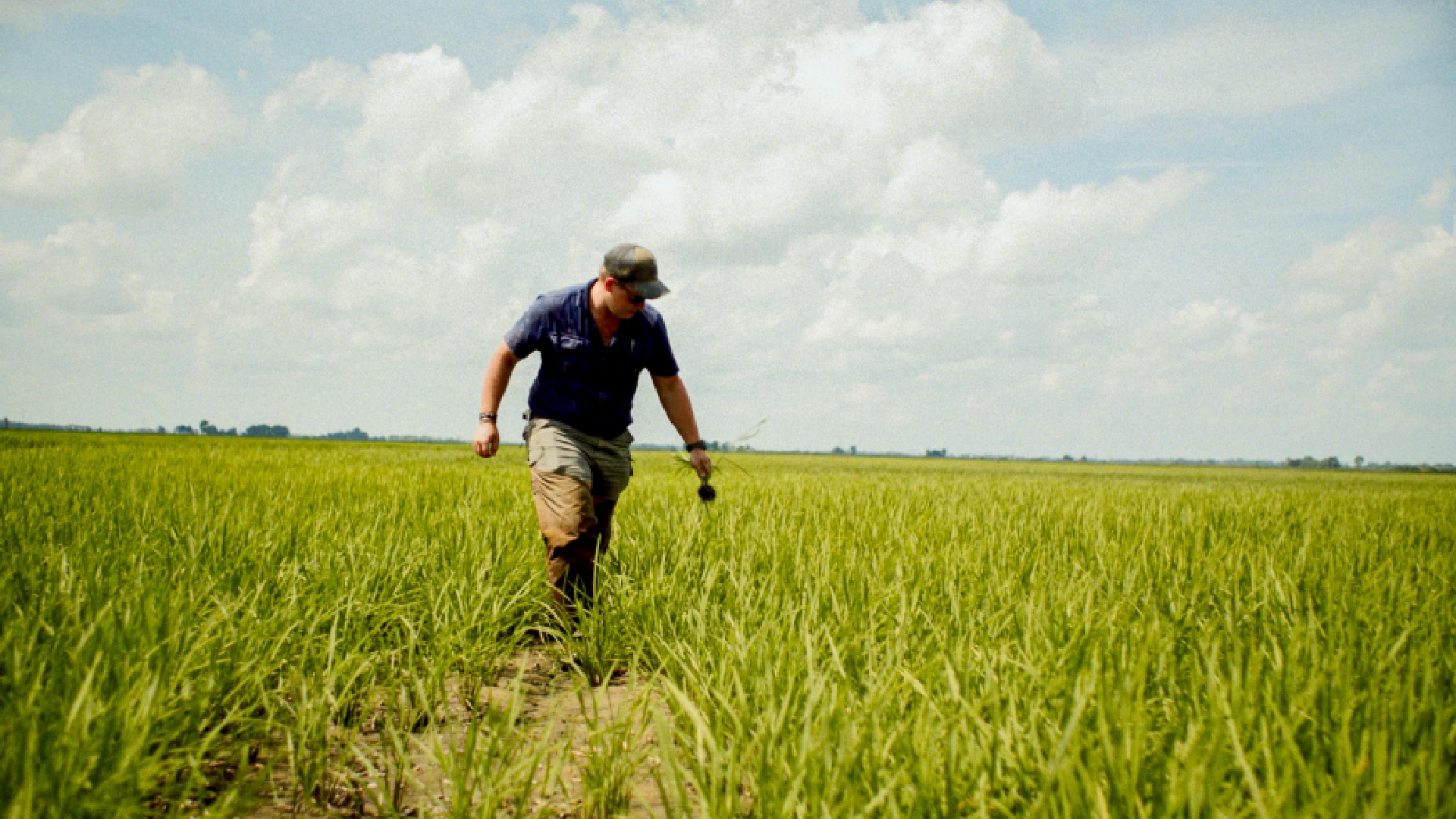
Across four verified issuances, the project has achieved more than 177,000 tonnes of avoided methane emissions and conserved more than 200 billion litres (53 billion gallons) of water, helping reduce pressure on a groundwater system that supports farming communities across the region.
Field-level results suggest water savings of roughly 30% on AWD fields and 23% on FIR fields in the Mid-South. Research associated with these practices has also shown reductions in inorganic arsenic levels in rice grain, creating potential food-safety benefits alongside environmental gains.
Rice farmers are the project’s primary beneficiaries, receiving most of the carbon revenues generated. They also benefit from agronomic support, reduced water demand and a new source of climate finance in regions where opportunities to diversify farm income can be limited.
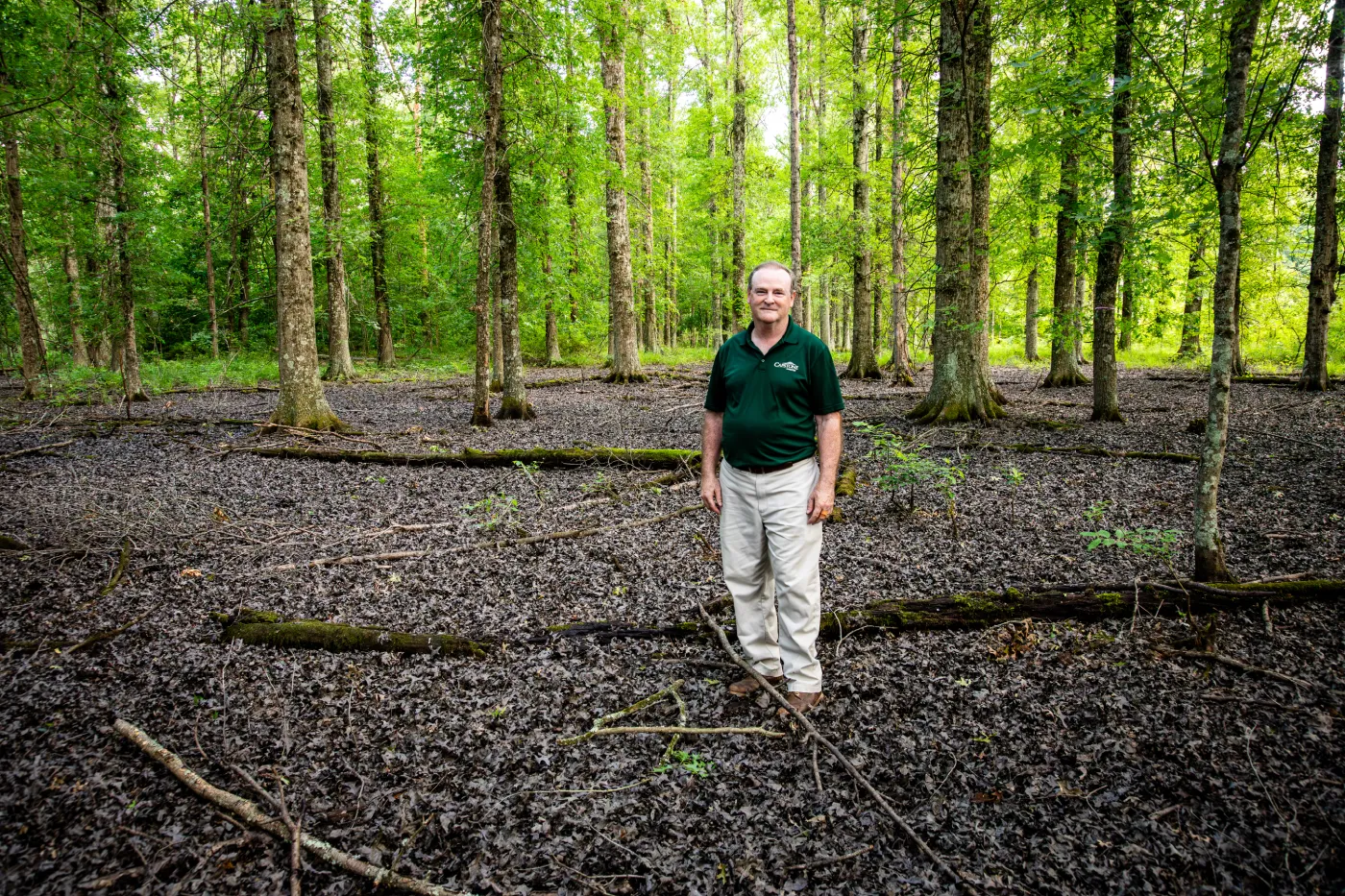
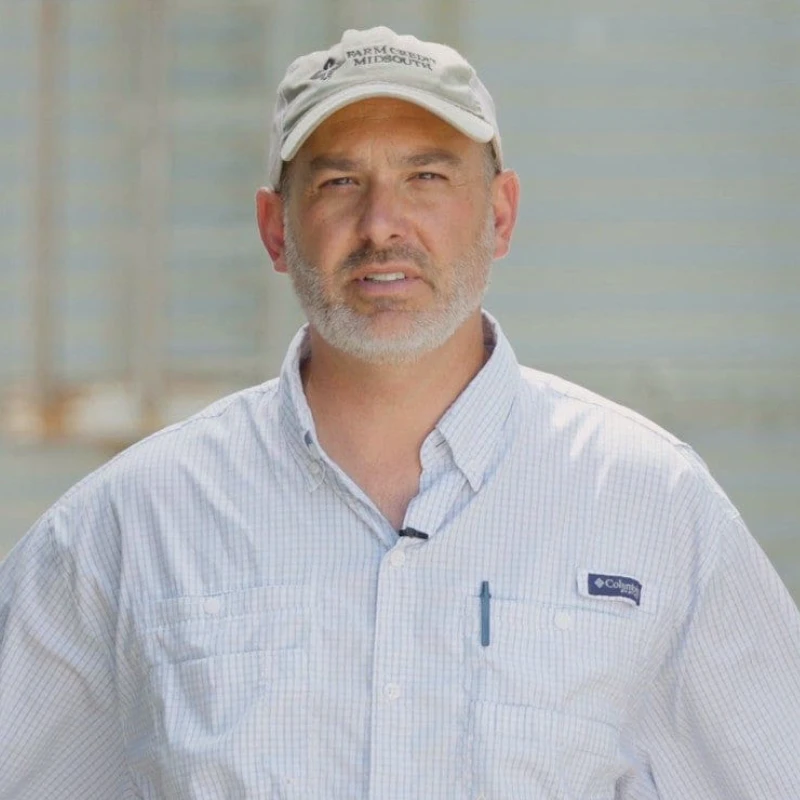
“I am conserving resources and doing a better job with my irrigation, and both lead to better profits. I have increased my enrolled acres to basically 100% of my rice acres on the farm.”
FRANKLIN FOGLEMAN
Grower and project participant, Arkansas.
Challenges and learning
The project’s main challenge has been overcoming the informational, cultural and financial barriers that can discourage farmers from adopting new irrigation practices. AgriCapture has addressed these barriers through technical support, access to agronomic expertise and carbon finance that helps offset adoption costs.
The project has also had to balance robust monitoring and verification requirements with the practical realities of farming. To reduce administrative burdens, AgriCapture has invested in digital tools, streamlined reporting systems and alternative data sources that enable high-quality evidence to be collected efficiently.
Market conditions have also posed a challenge. Declining rice acreage reduces the pool of eligible land, requiring the project to continue building farmer participation and confidence during periods of market uncertainty.
Broader relevance
The project demonstrates that water-saving agricultural practices can be financed through voluntary carbon markets, creating new income opportunities for farmers while maintaining rigorous standards for verification and carbon credit issuance.
Its experience highlights three lessons with wider relevance: conservative crediting can help build buyer confidence, digital monitoring systems can support efficient scaling, and farmer-first revenue-sharing models can encourage voluntary participation. AgriCapture’s expansion into Latin America, South Asia and Southeast Asia suggests that similar approaches can be transferred beyond the US.
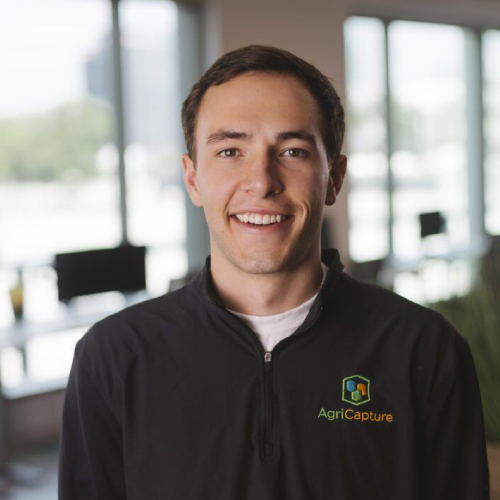
“The ICVCM’s CCP label has provided a powerful quality signal that elevates and differentiates the commercialisation pathways for CAR1513, which has been especially powerful as we deployed a first-of-its-kind US rice methane solution.”
TYLER HULL
CEO, AgriCapture
Learn more about Sustainable Agriculture
Agriculture is a major contributor to the climate emergency, responsible for approximately 11.7% of global greenhouse gas emissions.
Projects using sustainable agriculture methodologies employ a wide range of improved agricultural practices designed to reduce greenhouse gas emissions and/or enhance the absorption of carbon by soils.