Hancock County Landfill Gas Collection Project
Project ID: CAR635
3Degrees
Climate Action Reserve (CAR)
Landfill Gas Capture
CAR Landfill Project Reporting Protocol
United States
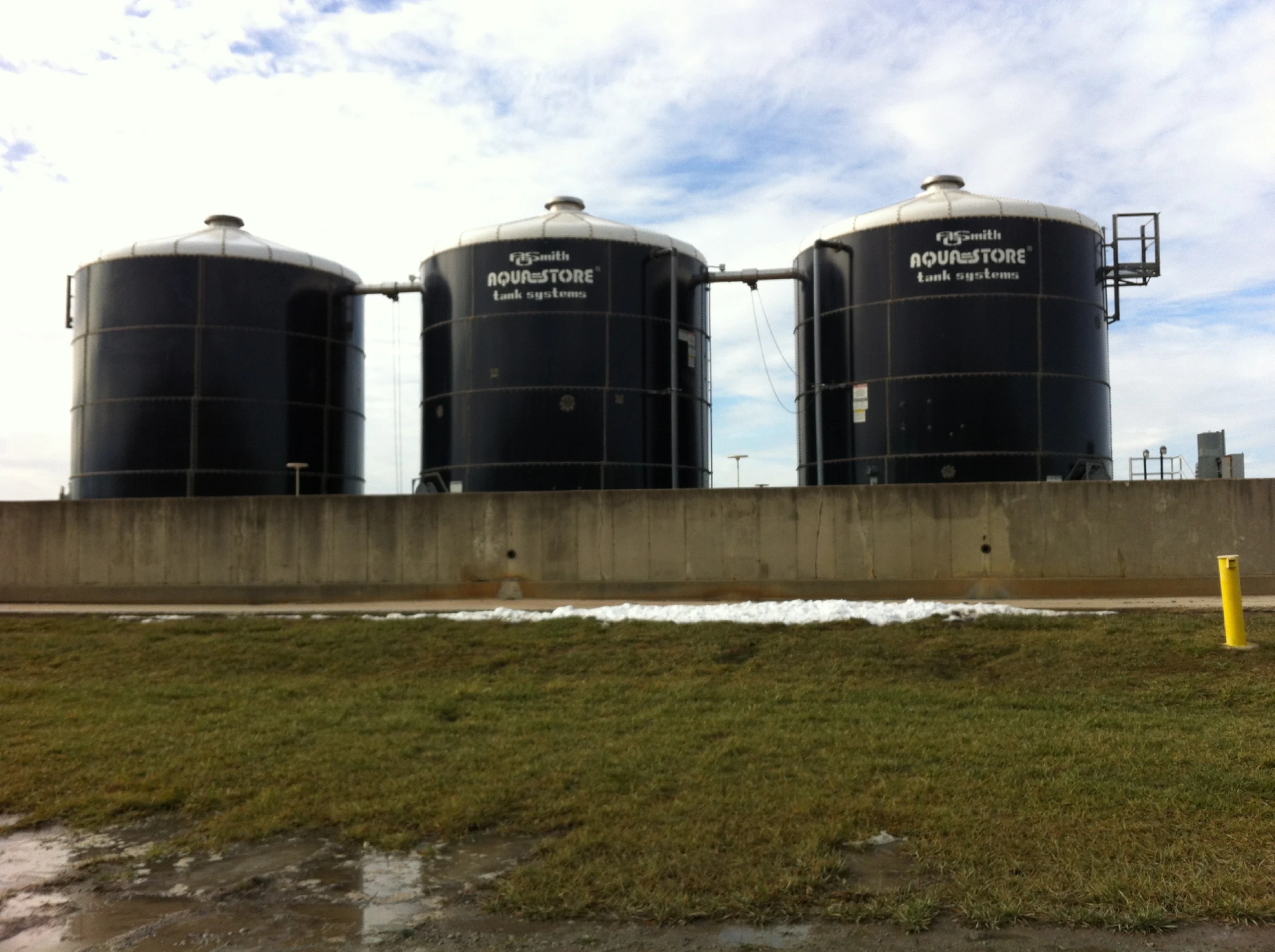
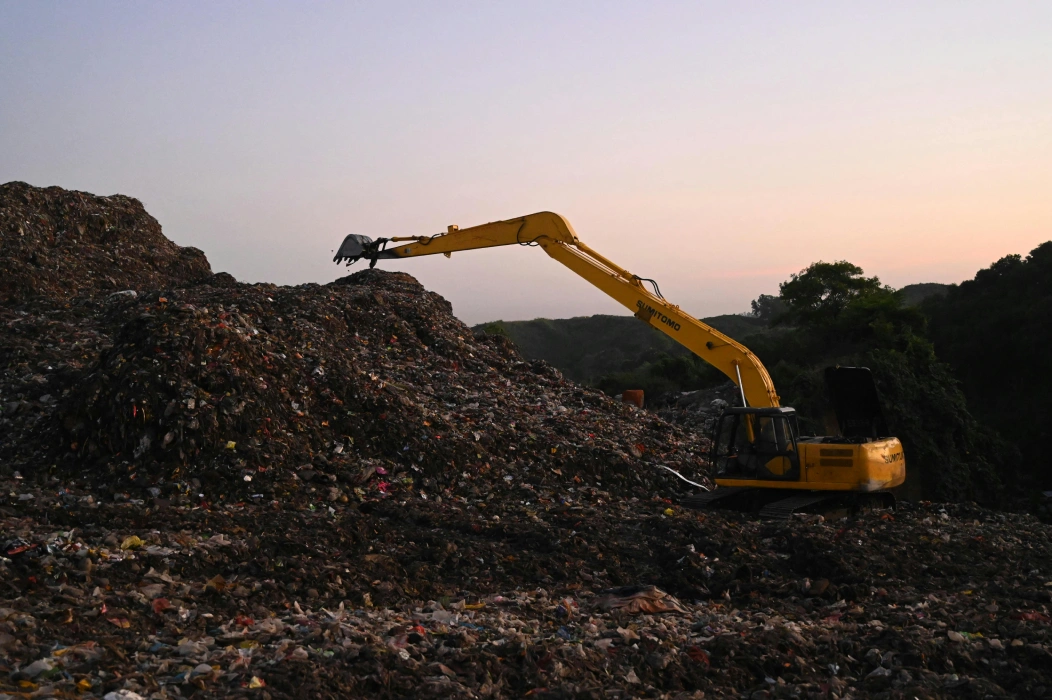
The Hancock County Landfill Gas Collection Project in Ohio, USA addresses a climate and public health challenge: methane emissions from municipal solid waste landfills.
The US Environmental Protection Agency estimates that landfill waste decomposition contributes roughly 14% of US methane emissions — a climate super pollutant with a global warming potential 27–30 times greater than carbon dioxide. The project uses the CCP‑approved CAR Landfill Project Reporting Protocol methodology.
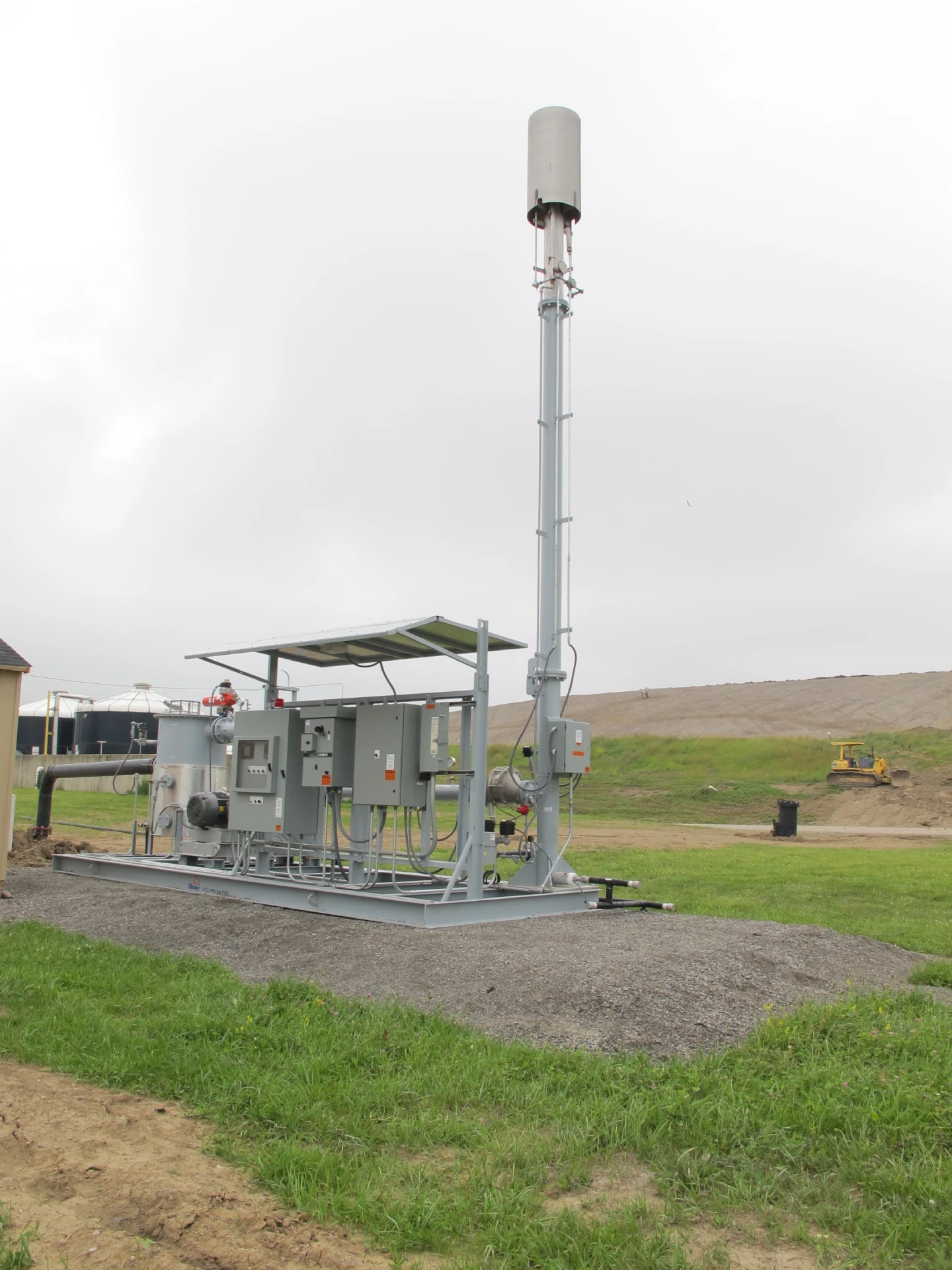
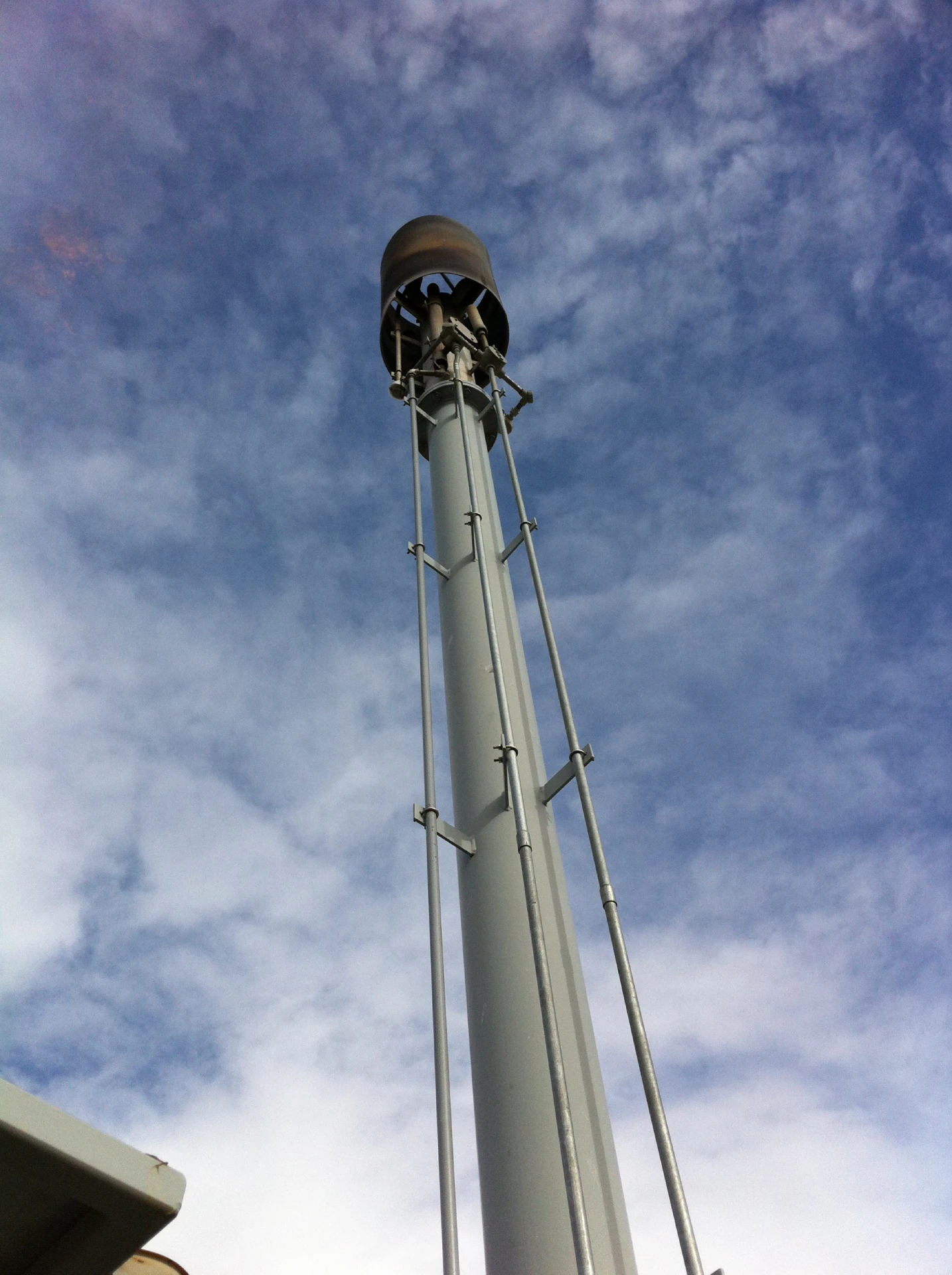
Since 2010, 3Degrees has partnered with Hancock County to capture methane gas generated by the county’s sanitary landfill and convert it into reliable, clean electricity. To date, the project has achieved 1,467,718 verified emission reductions, with another 691,000 tonnes projected over the remainder of the second crediting period. Moreover, the system can produce around 22,000 megawatt‑hours of electricity annually — enough to power more than 2000 US households for a full year.
High‑integrity monitoring, reporting, and verification by the team at 3Degrees — along with market recognition — underpin the project’s success. Since its inception, the project has been verified 14 times by five independent validation and verification bodies, creating a rigorous evidence base for environmental performance. Close collaboration between the project owners and 3Degrees has also ensured sustained viability despite evolving reporting requirements since 2010. The project aligns with the CCPs, demonstrating high standards of additionality, durability, governance, and transparency.
The project team has highlighted the benefits of using a CCP-Approved methodology, including expanded access to buyers who demand high quality standards. It has also noted that the CCP label serves as a recognised marker of integrity and is increasingly viewed as a baseline requirement in conversations with buyers. From the perspective of buyers, the CCP label offers confidence that measurement and verification practices are aligned with trusted frameworks and independently verified as high quality.
In 2014, the Environmental Protection Agency recognised Hancock County as a Community Partner of the Year for finding a beneficial use for landfill gas — improving local air quality, reducing greenhouse gas emissions, creating jobs, and demonstrating the value of public-private partnerships to protect public health and the environment.
By capturing and destroying methane, the system is both a climate and clean-air solution for the approximately 74,000 people who call Hancock County home . The public-private collaboration showcases how municipal ownership — paired with expert developers and cooperative utilities — can deliver outcomes that benefit both the environment and residents.
Hancock County’s approach – capture, verify, and convert – illustrates how municipalities can transform a hard-to-abate emissions source into a reliable clean-power asset. With verified performance, reputable registry oversight, and clear community benefits, the Hancock County LFG Project offers a scalable blueprint for local climate leadership.
Learn more about LFG
As organic waste decomposes in landfill, it releases methane, a greenhouse gas much stronger than carbon dioxide (CO2) in heating the atmosphere. Reducing methane emissions is a crucial and urgent aspect of non-CO2 mitigation efforts to ensure we stay on track with the Paris climate goals.
Landfill Gas Capture (LGC) involves capturing, treating, and using the methane from decomposing waste as a renewable energy resource.