Beyond Biomass: UpEnergy Electric Cooking VPA9 (Tanzania) – Project ID: GS12082 (VPA9);
Beyond Biomass: UpEnergy Electric Cooking VPA1 (Uganda) – Project ID: GS11579 (VPA1)
UpEnergy Group
Gold Standard
Efficient Cookstoves
GS Methodology for Metered and Measured Energy Cooking Devices, Version 1.2
Africa (Tanzania; Uganda)
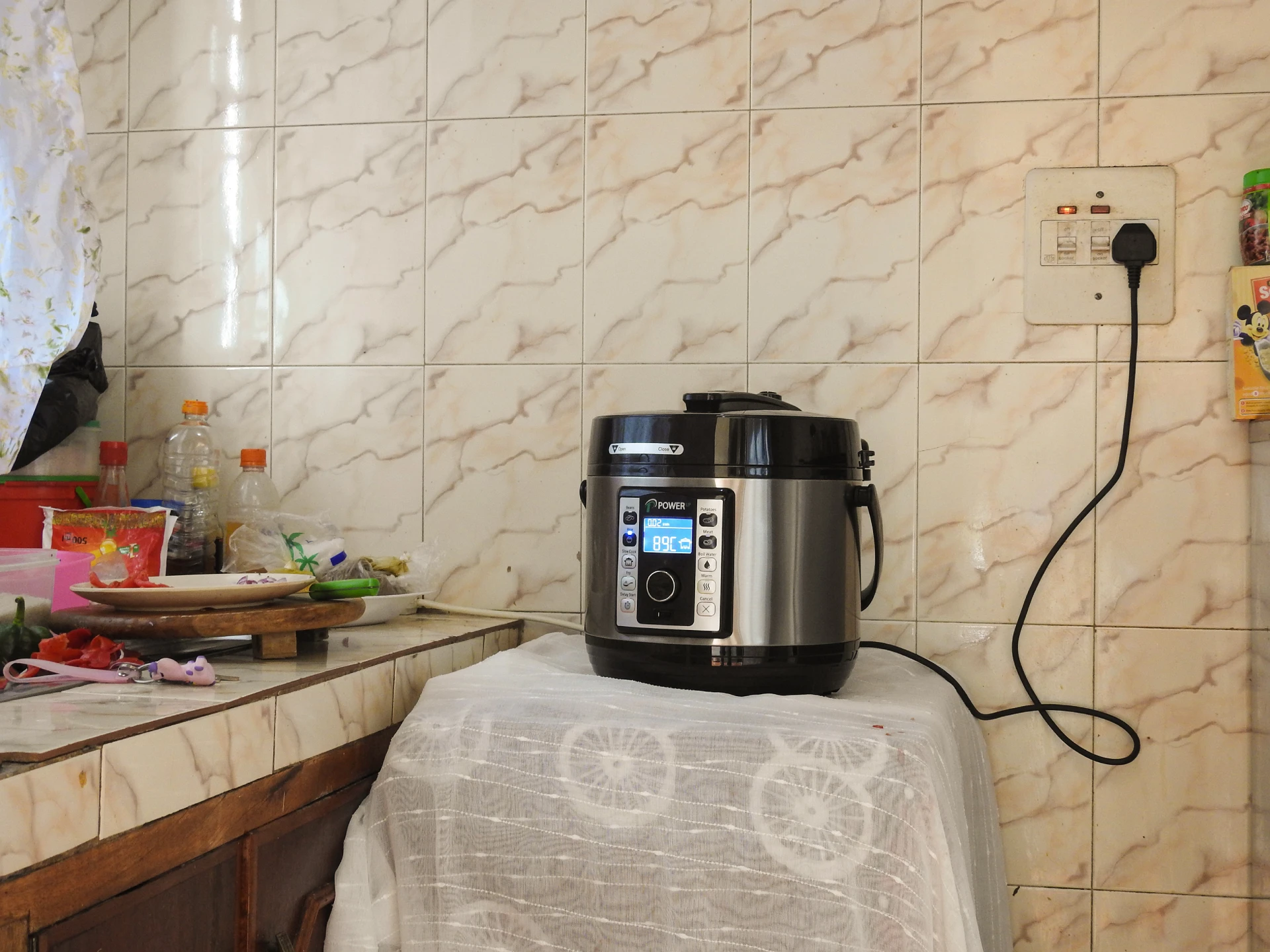
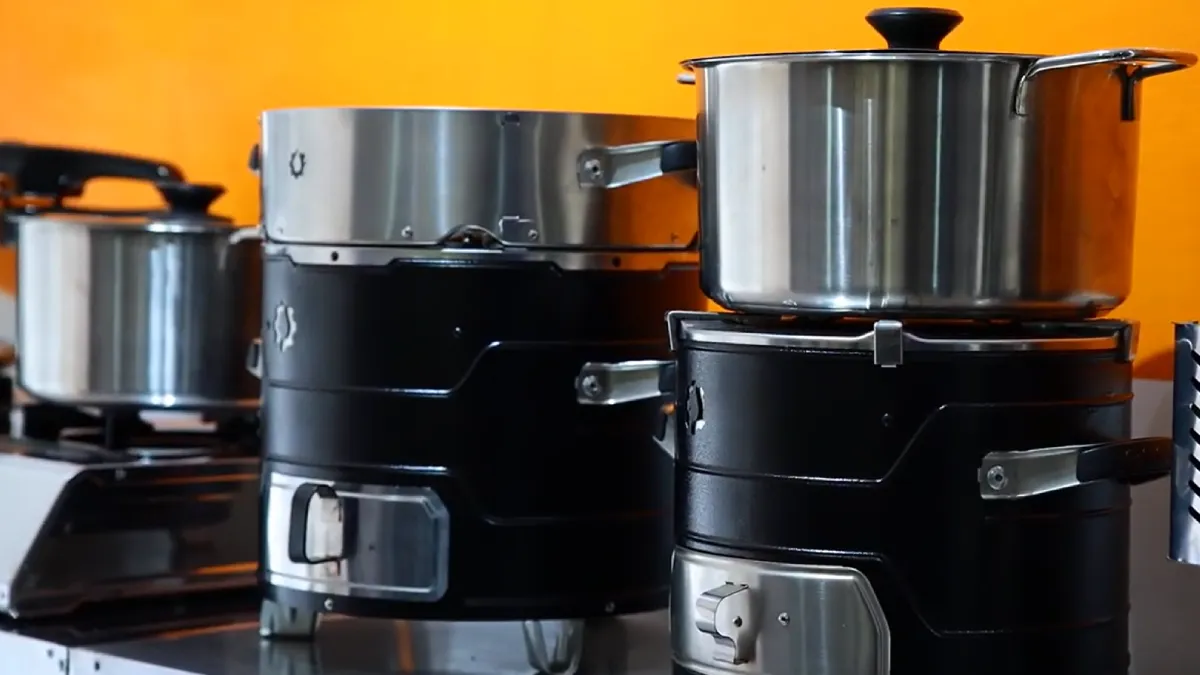
An example of a project using one of the CCP-Approved methodologies is Beyond Biomass, a voluntary clean cooking initiative that distributes electric pressure cookers to households in Tanzania and Uganda.
The methodology used for this project addresses previous concerns around cookstove carbon credit integrity by closely monitoring the environmental impact of cookstove projects and using more rigorous standards to reduce the risk of credit overestimation. The UpEnergy Group has said that it is in the process of updating how its projects calculate use of firewood and other fuels in line with the conditions of the CCP-Approval of this methodology.
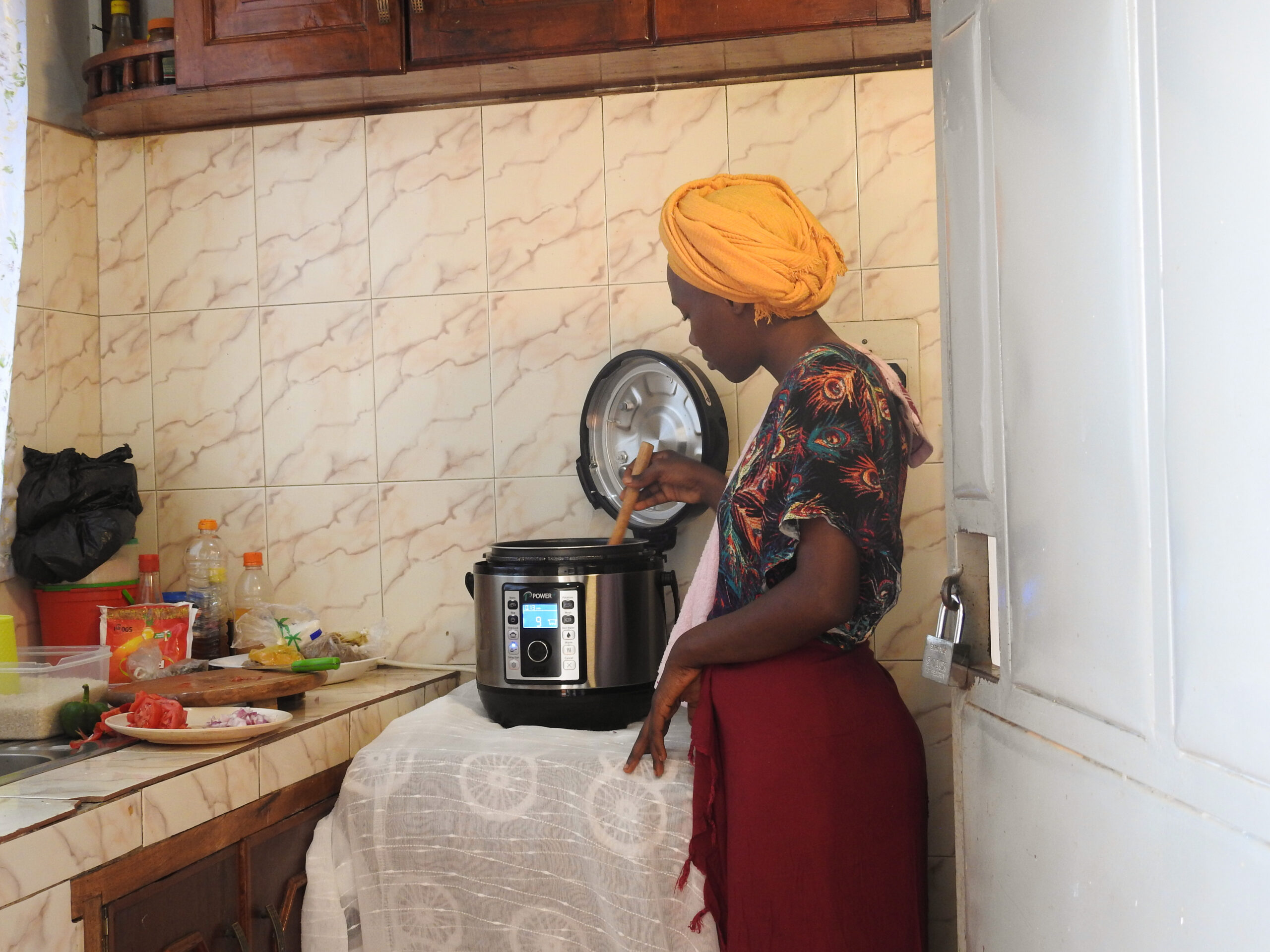
The project aims to help families transition away from cooking with charcoal or firewood and adopt cleaner, more affordable alternatives — reducing long‑term dependence on polluting fuels. It is projected to distribute 250,000 metered clean cookstoves by 2028, with 10,000 units already deployed.
The Uganda project is expected to avoid approximately 143,400 tonnes of carbon dioxide equivalent during its first five-year crediting period, while the Tanzania project targets an additional 150,000 tonnes of carbon dioxide equivalent avoided over the same timeframe.
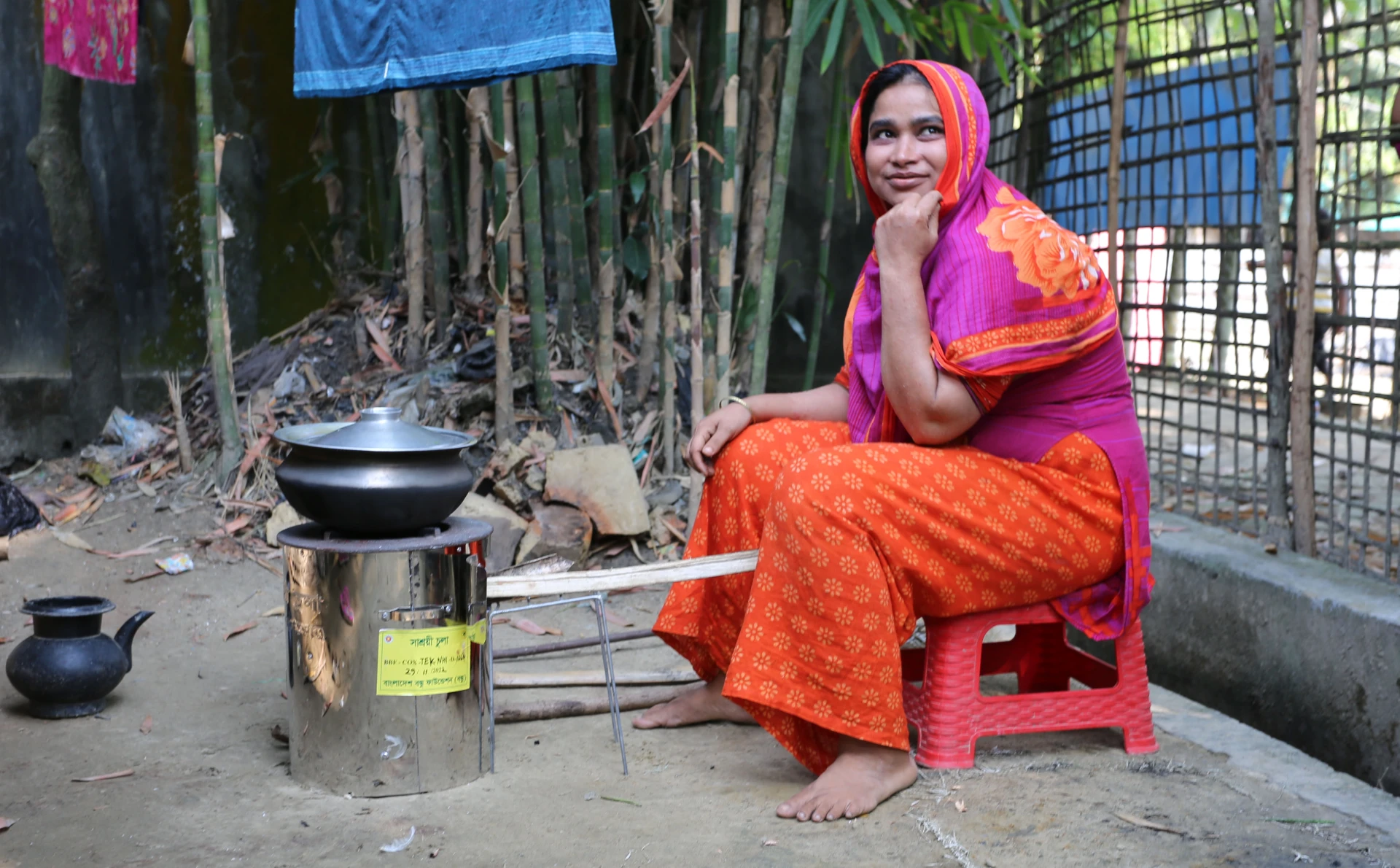
Alongside emissions reductions, the project delivers social, economic and environmental benefits — including improved indoor air quality, reduced deforestation, time saved on fuel gathering and lower energy costs for families.
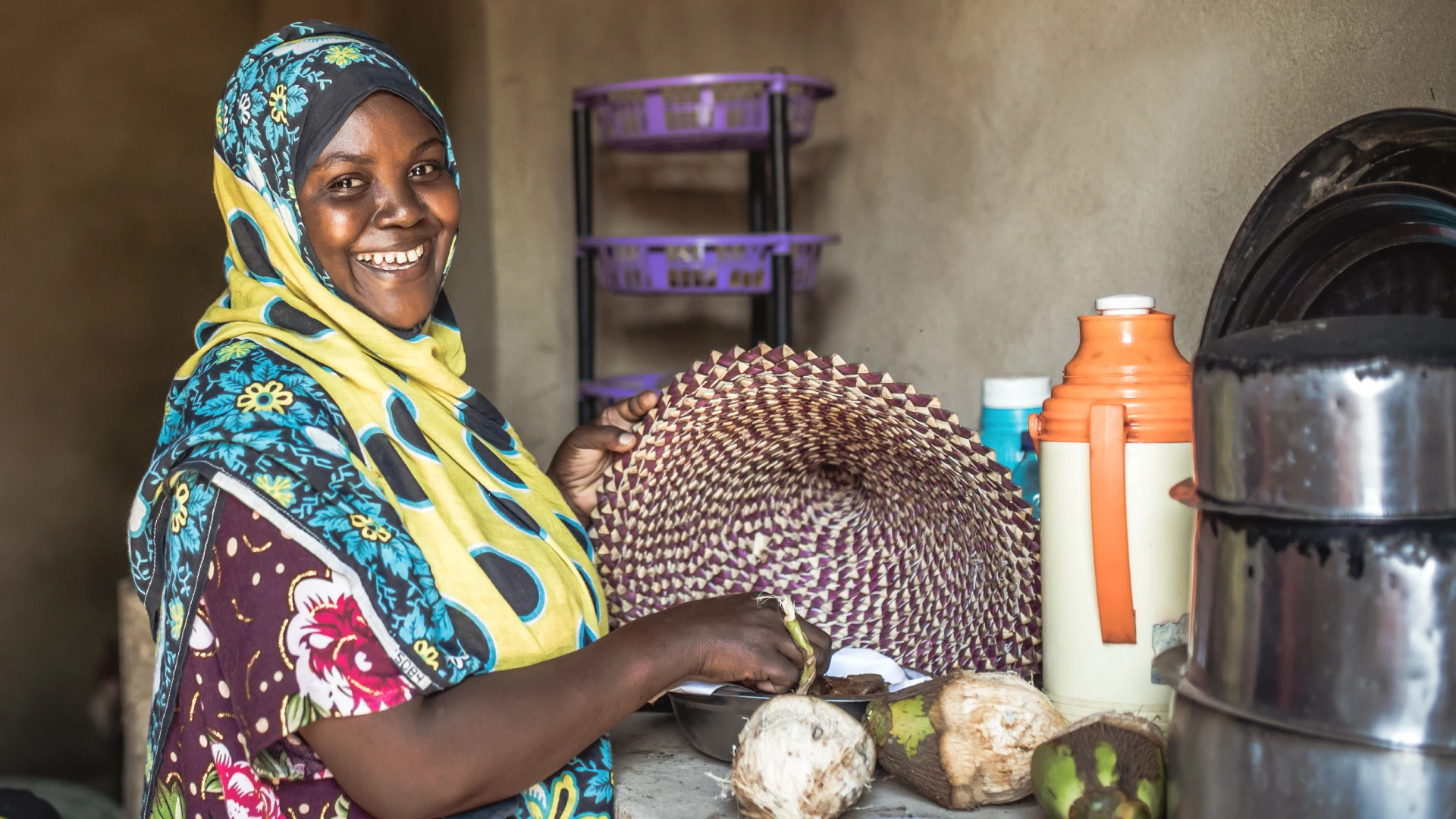
An independent survey of 281 Ugandan households using the efficient cookstoves in 2024 found that:
- • 89% reported improved quality of life
- • 82% reported improved health, including 80% noting better indoor air quality
- • 92% said they saved time cooking
- • More than 80% reported saving money
- • Many women said the clean cookstoves gave them greater flexibility in managing household tasks
The program partners with local authorities to ensure alignment with regulatory frameworks and development plans, as well as national government initiatives promoting cleaner cooking. Tanzania’s National Clean Cooking Strategy 2024-2034 aims to ensure 80% of households use clean cooking solutions by 2034, while the Ugandan government is developing an integrated national clean cooking strategy.
The projects also use various approaches to ensure that local communities are fully informed and engaged — adhering to Free, Prior, and Informed Consent (FPIC) principles. Project staff emphasise the importance of local ownership and economic benefits. Community members — including women — are trained and employed to provide distribution, repair, and maintenance services. Local leaders have also led awareness campaigns and live demonstrations to showcase the benefits of electric cooking and its compatibility with traditional practices.
Learn more about Cookstoves
Access to clean and efficient cooking presents major global development and environmental issues.
Replacing traditional stoves with efficient models, cutting deforestation, lowering emissions, and improving health through cleaner indoor air