Makame Savannah. Project ID: VCS-1900
Carbon Tanzania
Verra
Reducing Emissions from Deforestation and Forest Degradation (REDD+)
Transitioning from VM0007 to VM0048
Tanzania
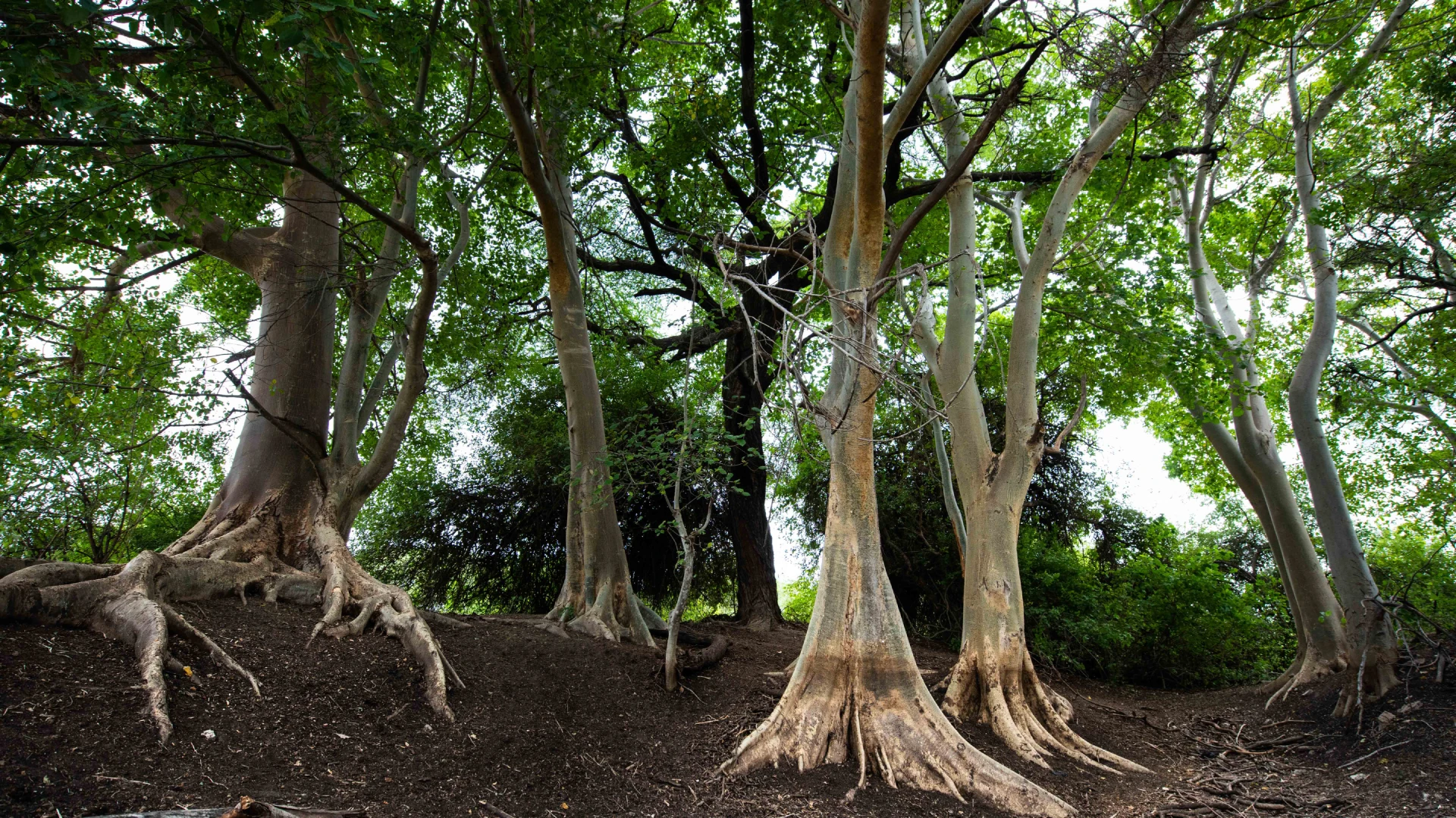
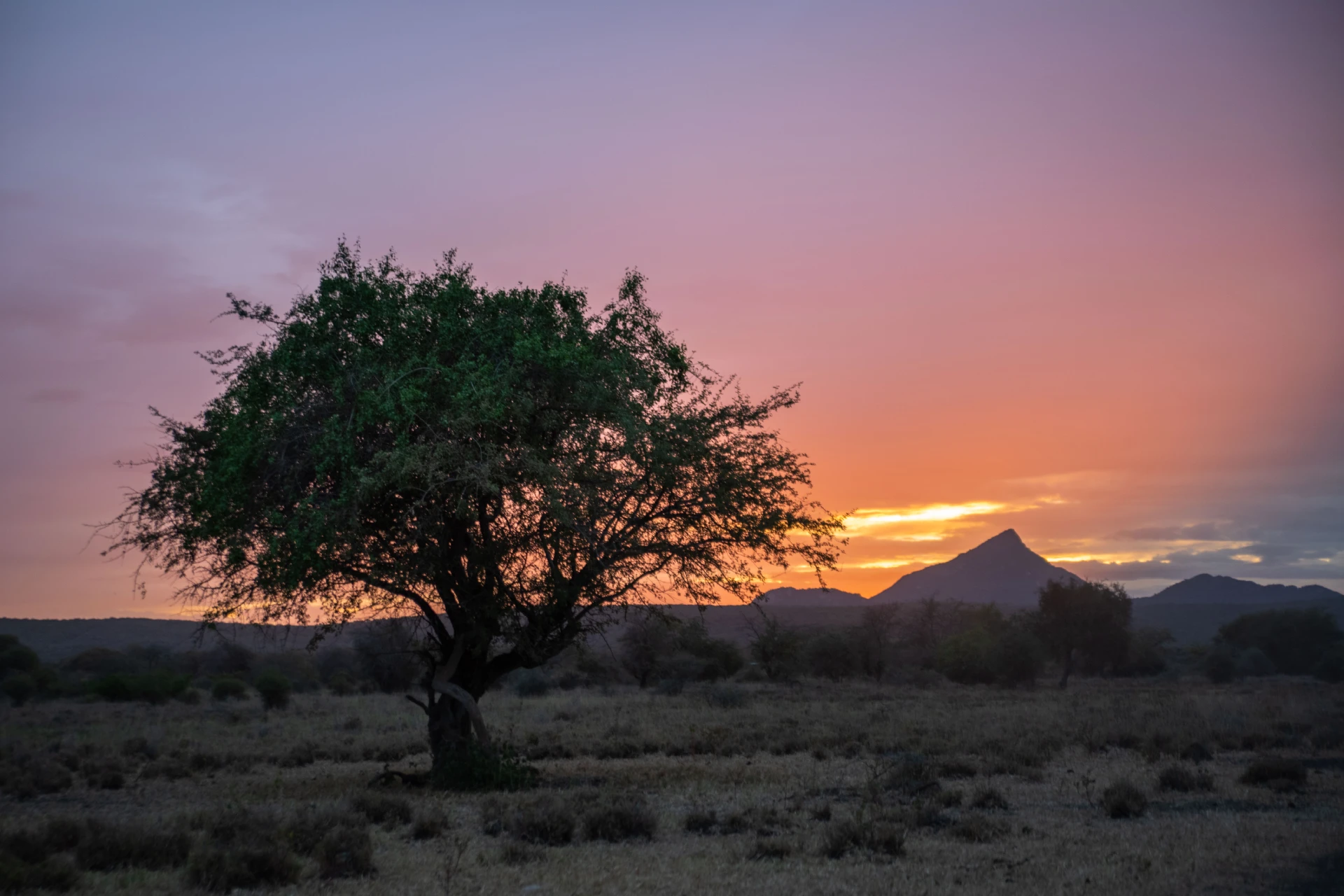
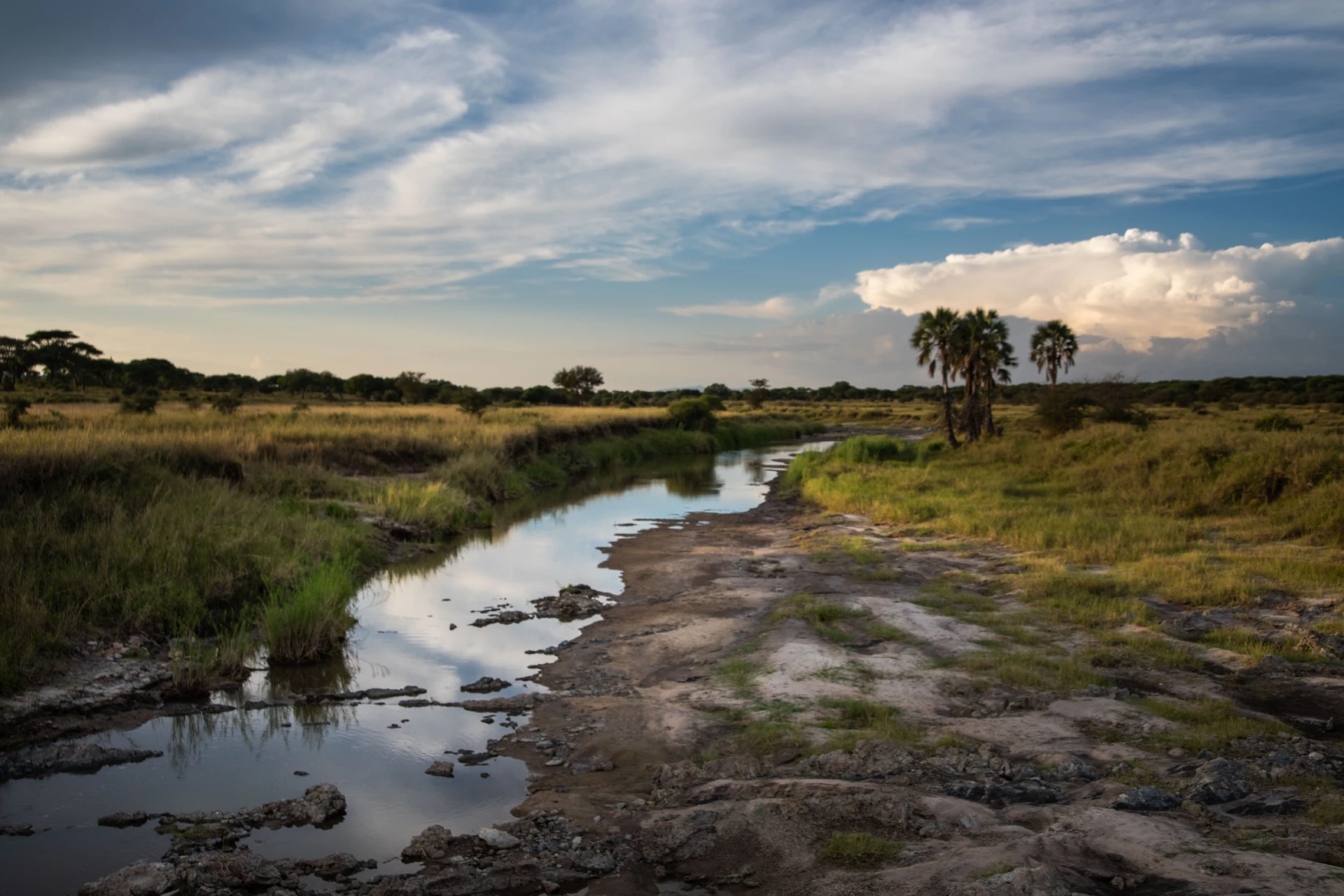
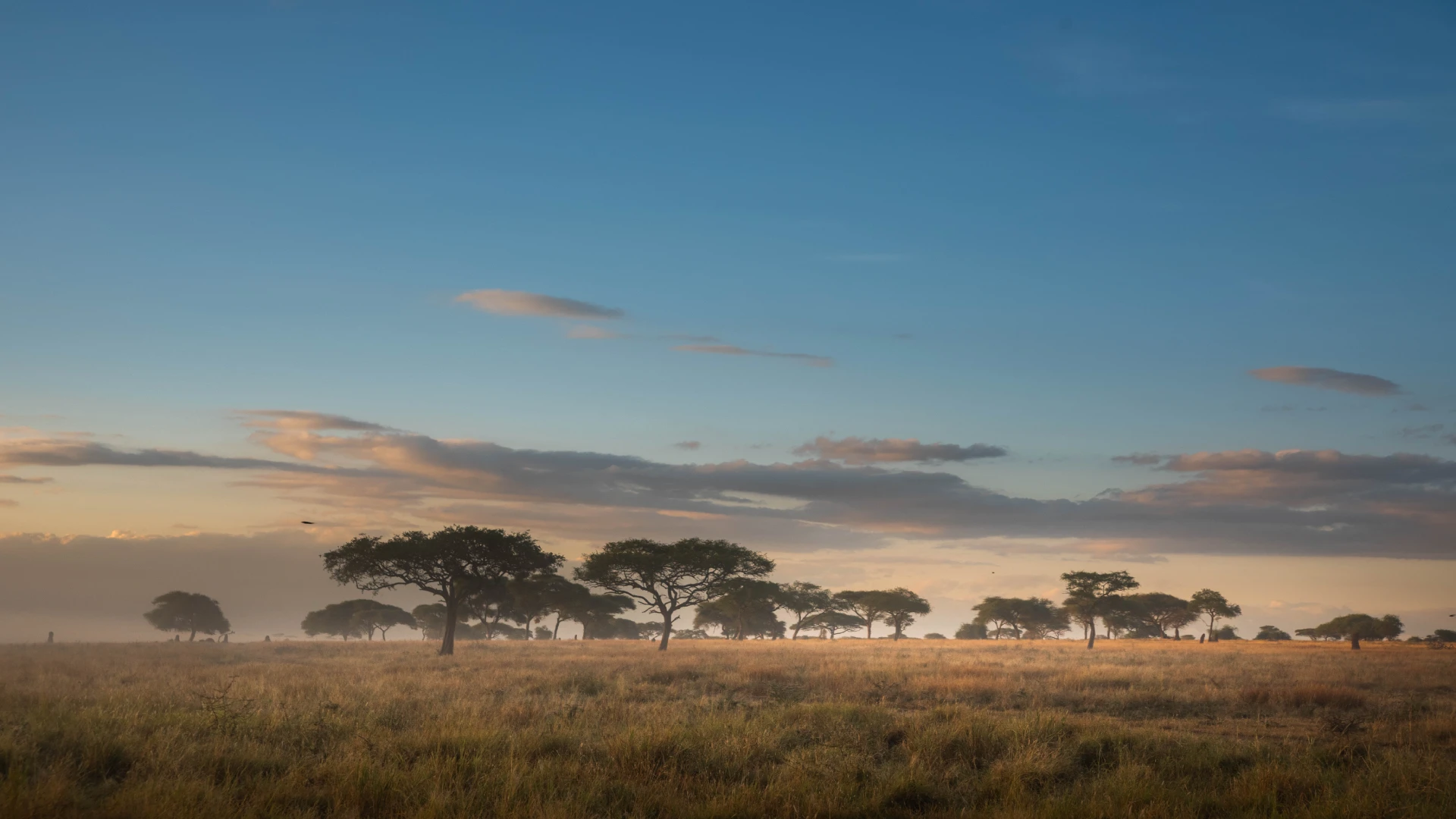
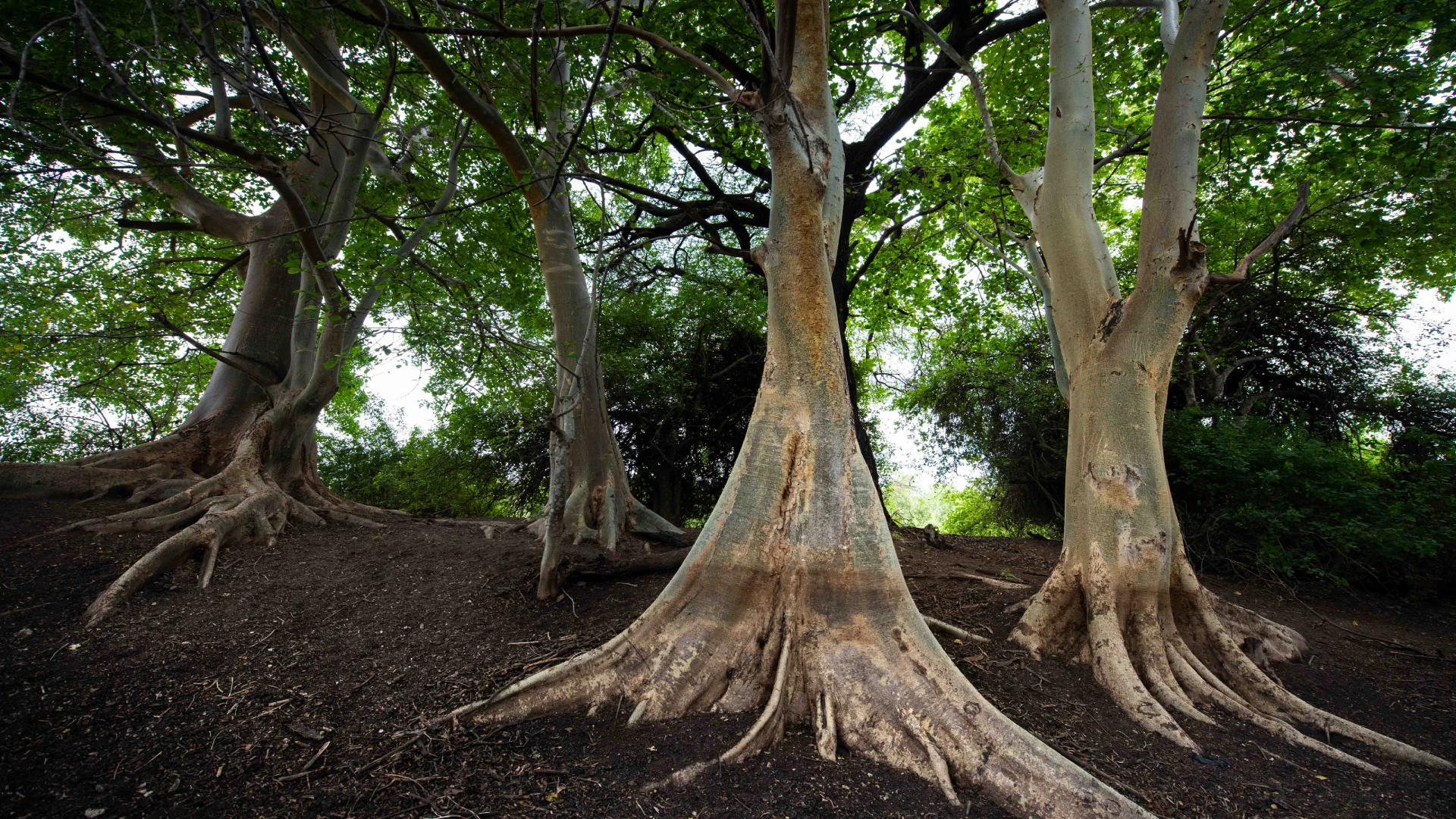
Located in the vast drylands of northern Tanzania and established in 2016, the Makame Savannah project protects more than 350,000 hectares of wildlife-rich forests and savannah from destruction and degradation. It is currently transitioning to the Verra VM0048 methodology, a CCP-Approved Reducing Emissions from Deforestation and Forest Degradation (REDD+) methodology.
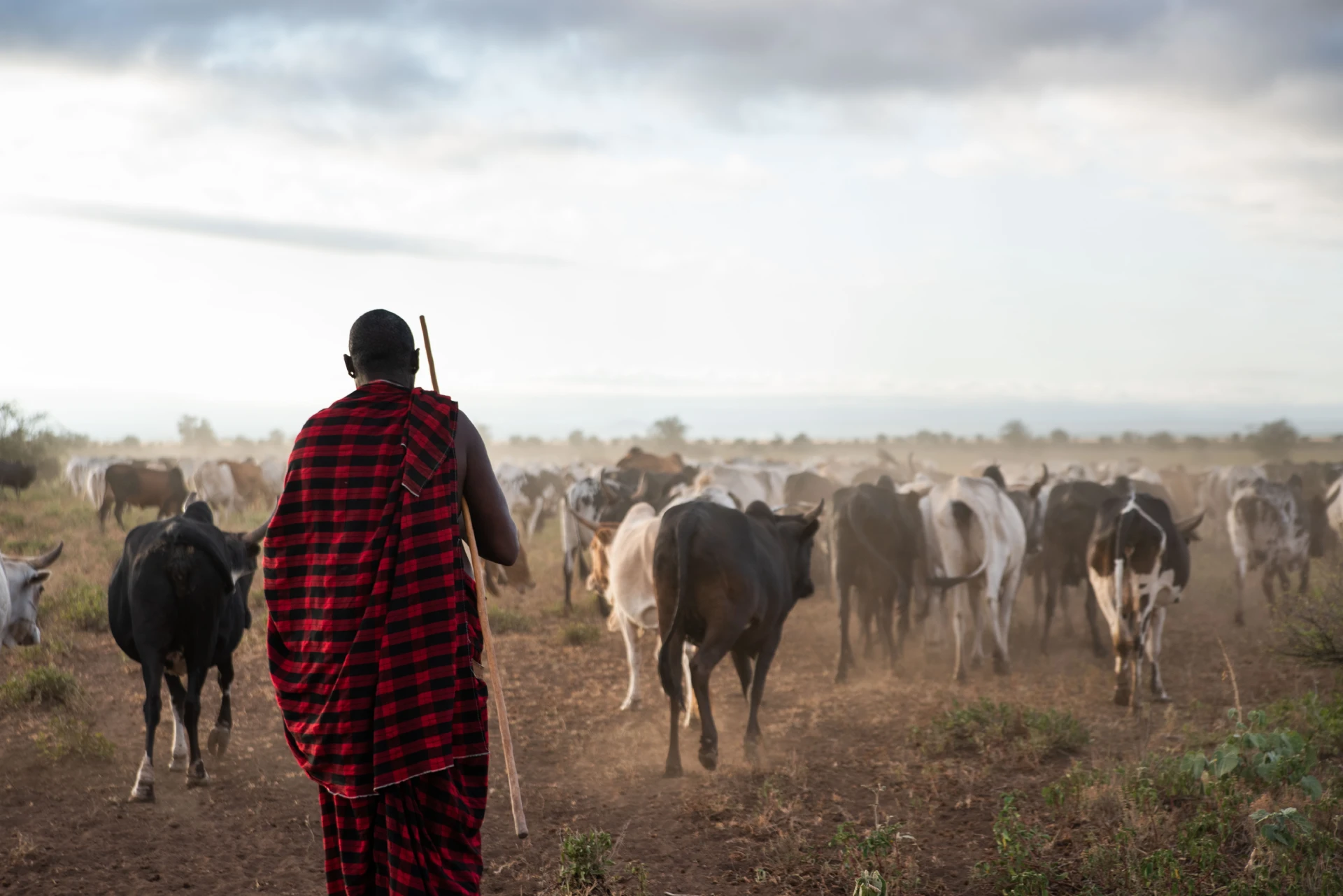
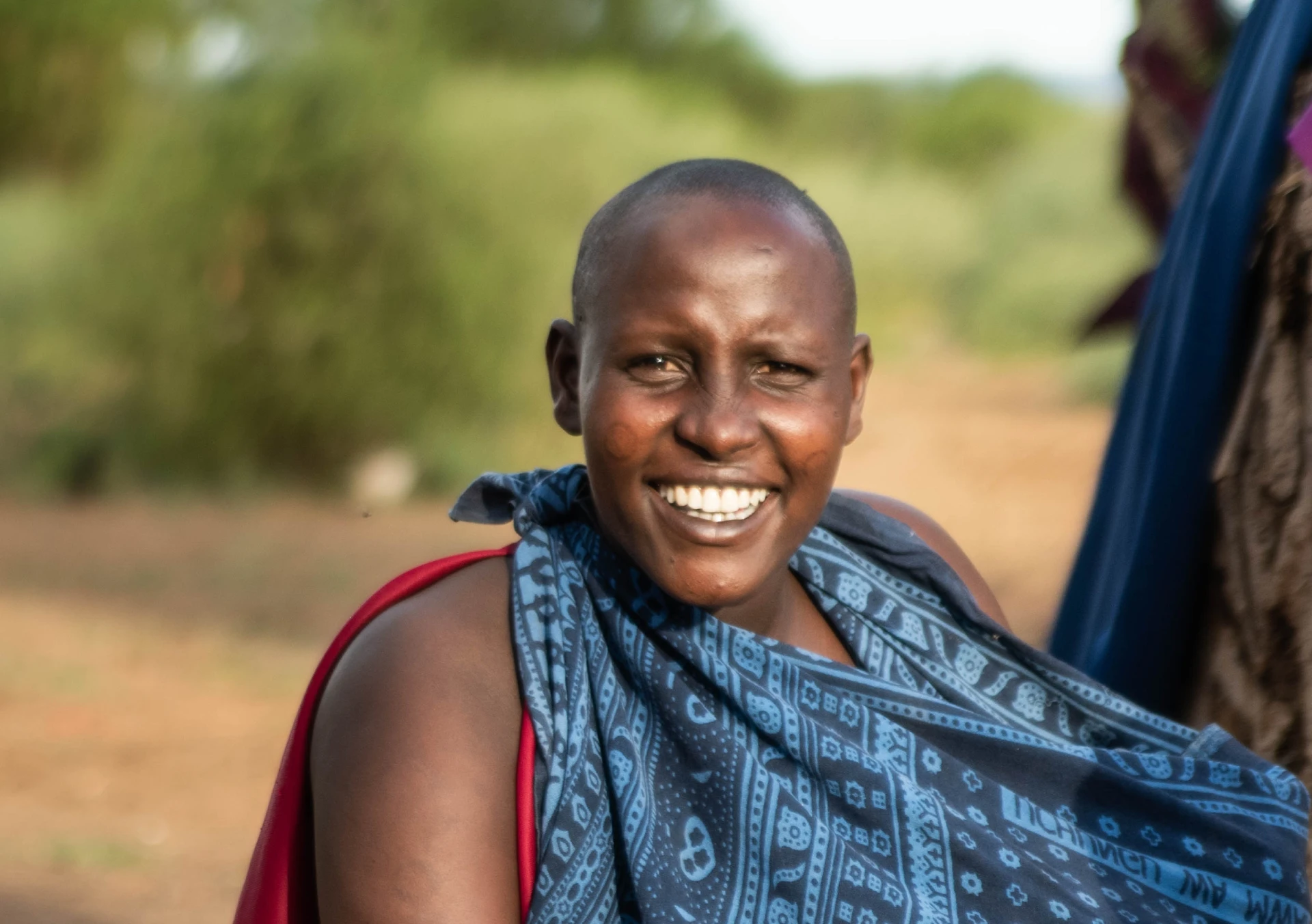
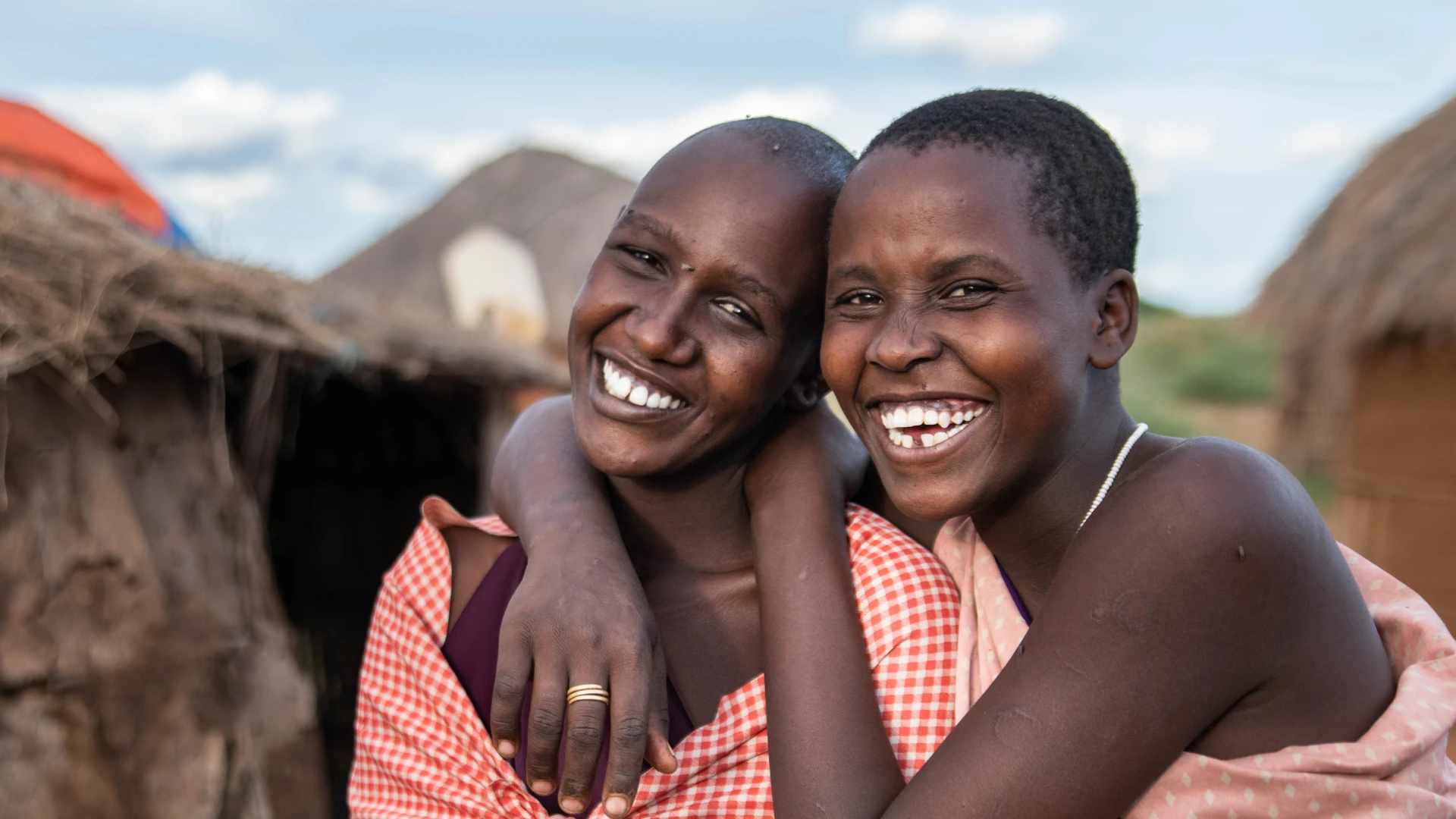
The Maasai people have been grazing cattle in the area for over 200 years and depend on the land for the preservation of their livelihoods and culture. They take a traditional, semi-nomadic approach to pastoralism, managing the land sustainably through the use of practices such as rotational grazing.
However, attempts to convert the area into agricultural land have contributed to the region’s high deforestation rate, which sits at nine times Tanzania’s national average. As of 2022, the land-use sector, including agriculture and forestry, accounted for 84% of Tanzania’s total greenhouse gas emissions.
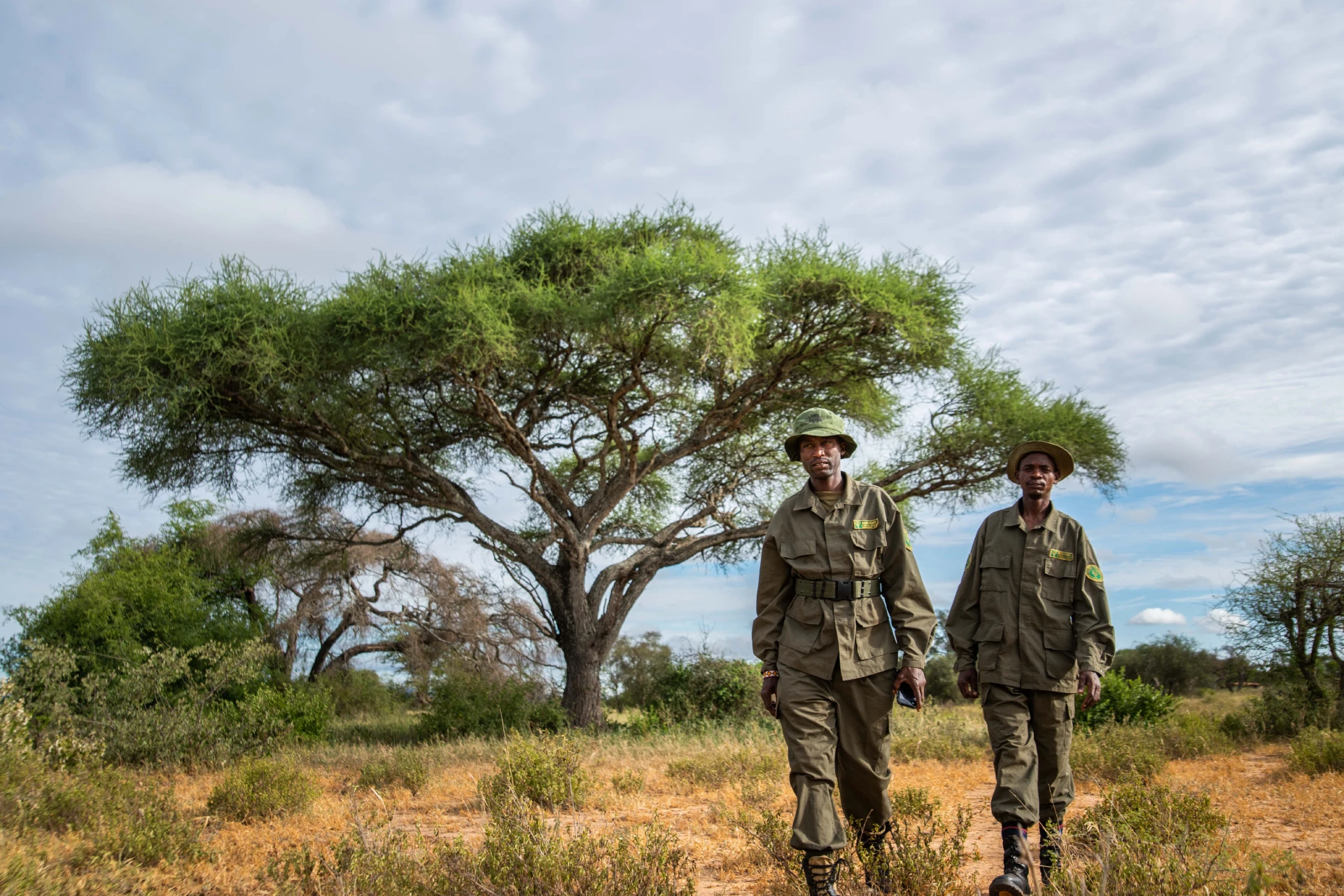
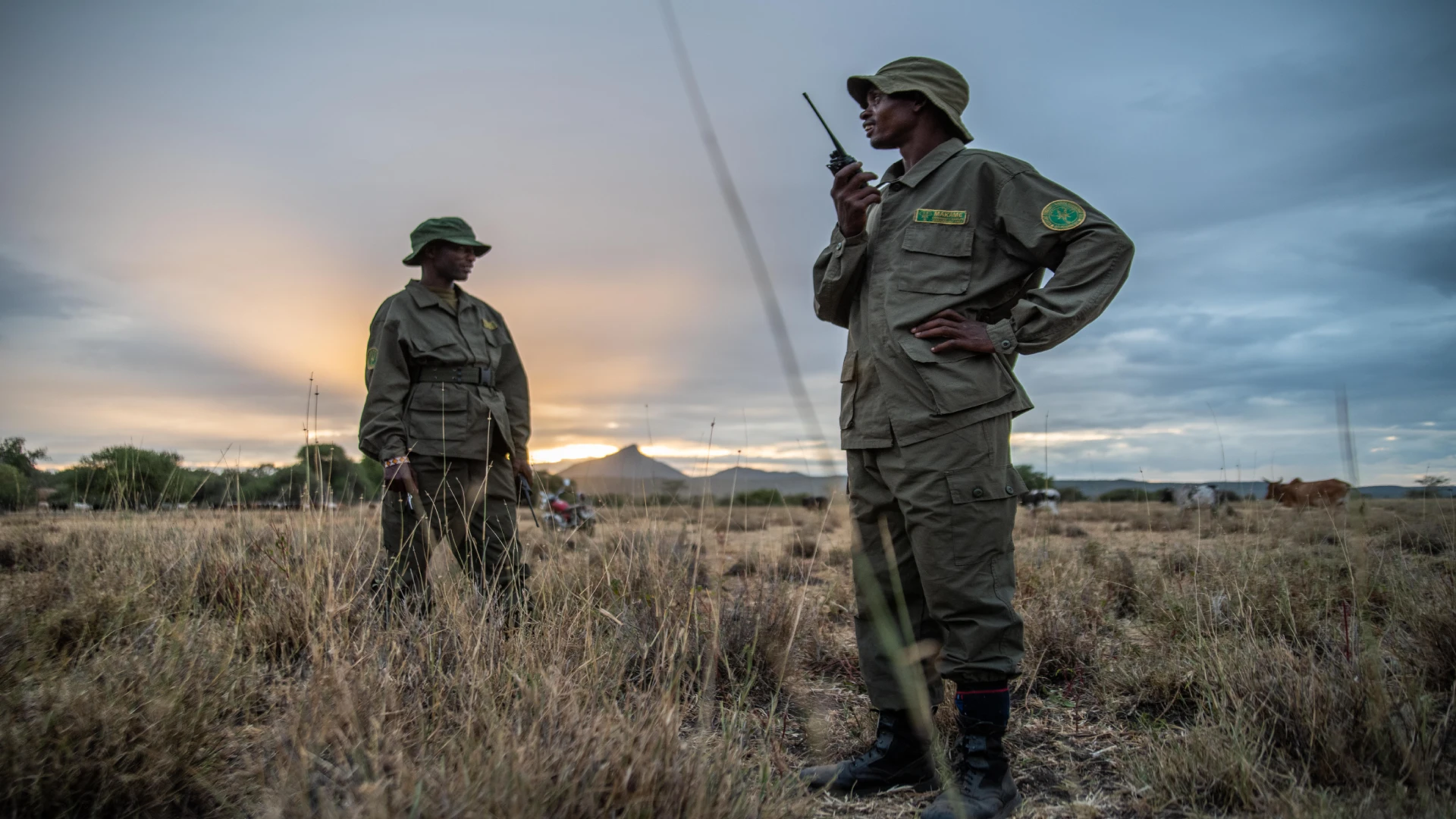
The Makame Savannah project was developed in partnership with the Makame Wildlife Management Area (WMA), a community-run conservation organisation that gives five participating villages legal management rights over the land. Income from the project supports the WMA’s work creating land use plans and employing Village Game Scouts to carry out patrols to prevent poaching and deforestation. Income from the project helps provide the Maasai with critical funding to conserve land in the region.
By working to prevent deforestation, the project has to date avoided almost 1 million tonnes of carbon dioxide emissions, which have been verified and issued as carbon credits. To guarantee the robust calculation of emission reductions, satellite imagery is used to track deforestation and natural disturbances, and the project also monitors a surrounding “leakage belt” to ensure that destructive activities aren’t displaced to surrounding areas. Additionally, as part of a 2024 social value study 83% of participants reported that revenue from the project had led to improved grazing conditions and livestock quality.
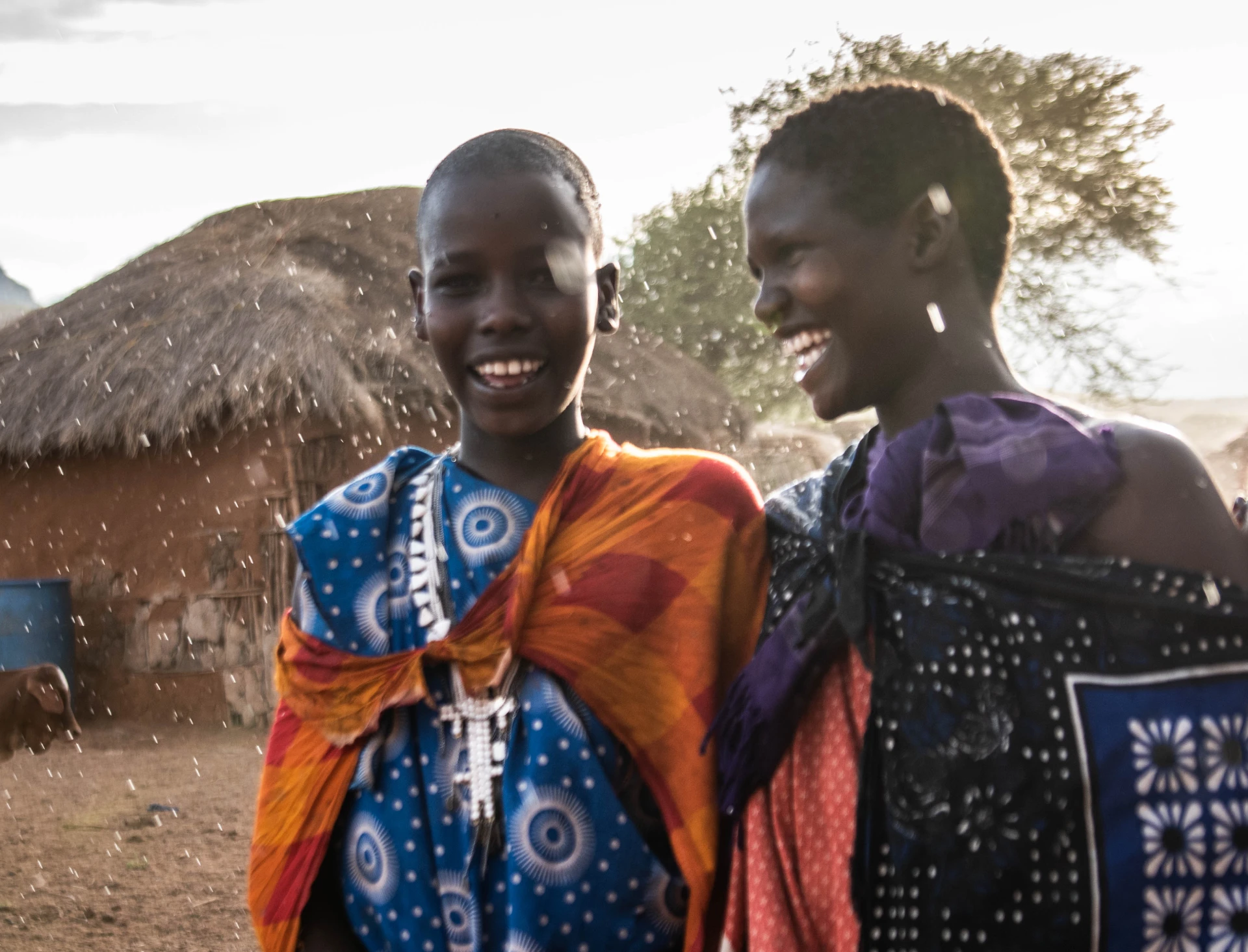
The wider social and economic impact of the project has been profound. The community retains 61% of revenues, and $2.9 million has so far been channeled directly into local priorities. There is a strong emphasis on community-led governance, with decisions on funding made at village assemblies. The project has so far paid for the fees for 68 university students, as well as building three new health clinics in Makame, including a maternity ward, and new school dormitories for girls. It also supports the employment of 33 Village Game Scouts, 3 of whom are women, 1 project manager, and 8 Carbon Champions, who liaise with locals to collect feedback and raise awareness of project goals.
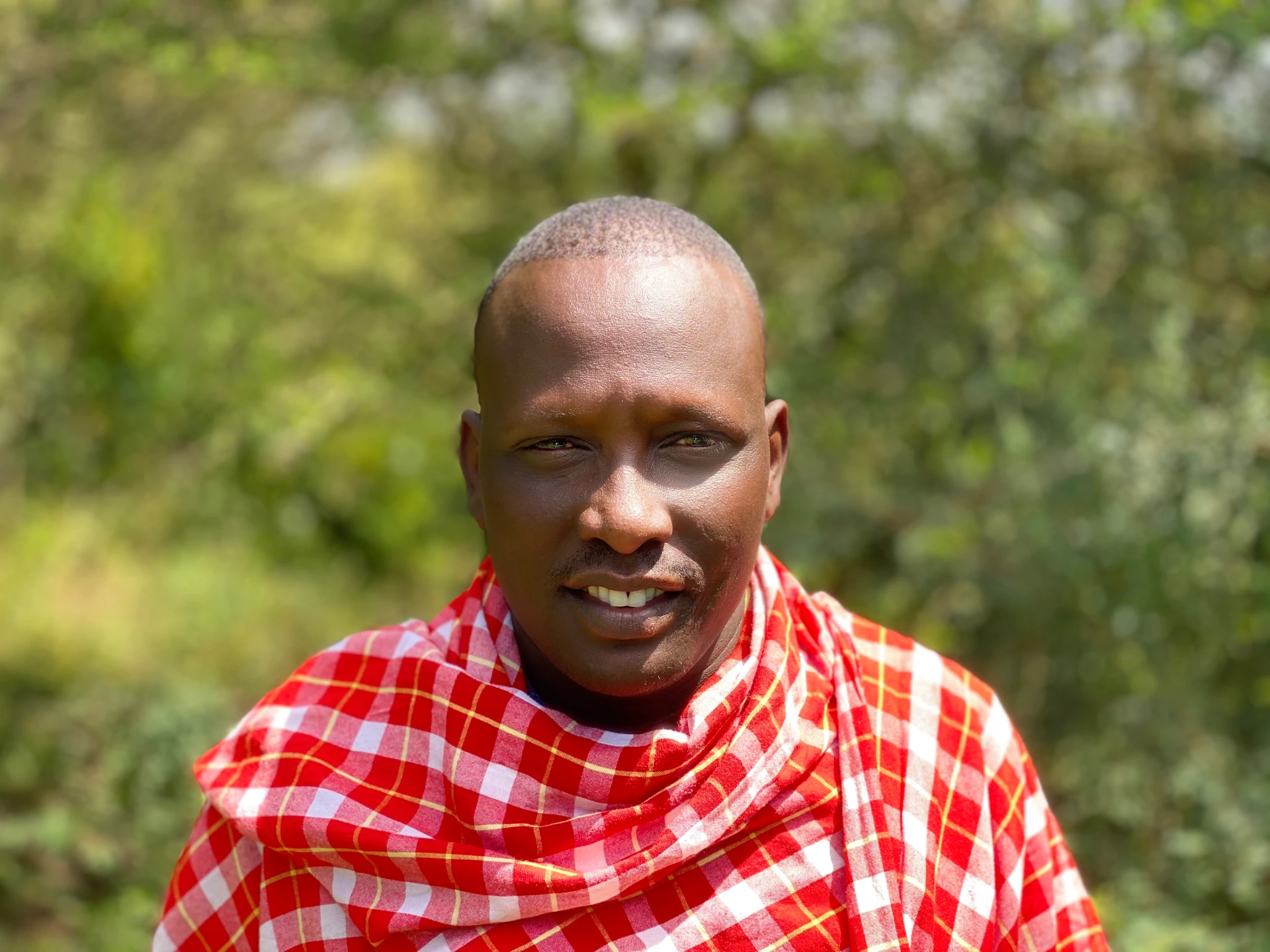
“Before the Makame Savannah project was created within our WMA, our main responsibility was to make sure that the forest was protected. We did this mostly through the community leaders, the Ilaigwanak, and rarely by using coordinated patrols. However, due to the carbon revenue we get through the project and with the support of the Honeyguide Foundation, we now have the funds and resources to protect the forest as we would like.”
SUPUK OLEKAO
Manager of Makame WMA
The project is transitioning from VM0007 to VM0048 in order to be eligible for the CCP label. Transitioning requires updating emissions reduction calculations with new baselines under VM0048’s requirements designed to ensure robust quantification. This requires additional time and finance to produce a new Project Design Document and conduct a new validation visit with a validation and verification body (VVB). But Carbon Tanzania feel the benefits of CCP endorsement make this investment worthwhile.
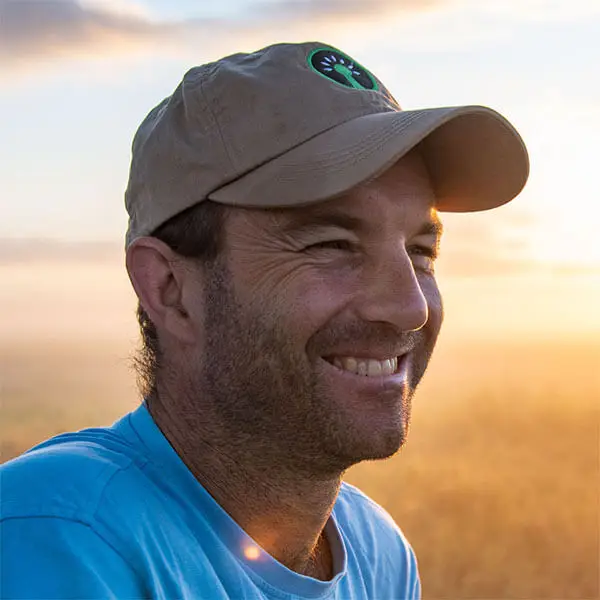
“We anticipate that a CCP label will significantly improve the market standing and financial viability of the project and the credits generated by the project. The CCP’s rigorous review process ensures the quality, transparency, and integrity of carbon credits, which builds greater trust among buyers and investors. This trust leads to increased market demand and a higher, more equitable price for the credits, ultimately improving the project’s financial returns.”
JO ANDERSON
Co-Founder, Carbon Tanzania
Learn more about REDD+
Forests cover 31% of the world’s land mass and store approximately 861 gigatonnes of carbon, making them vital ecosystems. They are also some of the most biodiverse places on the planet, home to 75% of the world’s bird species and 68% of mammals.
Protecting and restoring them is essential for tackling the twin biodiversity and climate crises.