Clean Cooking Project for Refugees Host Communities and Other Marginalised Communities in Bangladesh.
Project ID: GS12114
Value Network Ventures Pte Ltd
Gold Standard
Efficient Cookstoves
Technologies and Practices to Displace Decentralised Thermal Energy Consumption (TPDDTEC) v4.0
Bangladesh
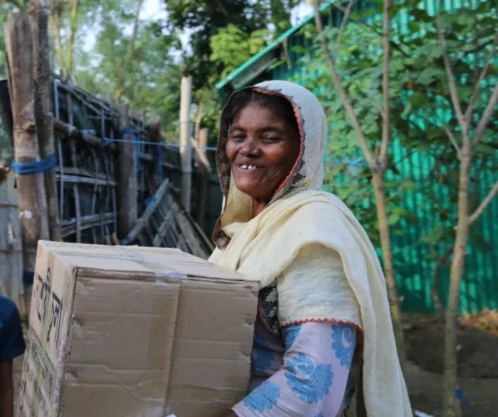
More than 2.8 million people live in the district of Cox’s Bazaar, Bangladesh, including approximately one million Rohingya refugees who have fled violence in Myanmar.
Many residents rely on traditional wood-fuelled cookstoves to prepare food. Displaced communities are especially dependent on these methods due to limited economic opportunities and the lack of accessible, affordable energy alternatives in refugee camps.
Traditional open-fire and three-stone cookstoves emit large amounts of carbon dioxide and methane. They also produce black carbon (soot) due to the incomplete combustion of biomass — a form of fine particulate air pollution that harms human health and contributes to global warming. Meanwhile, the reliance on firewood has placed significant pressure on ecosystems, resulting in the depletion of local forests.
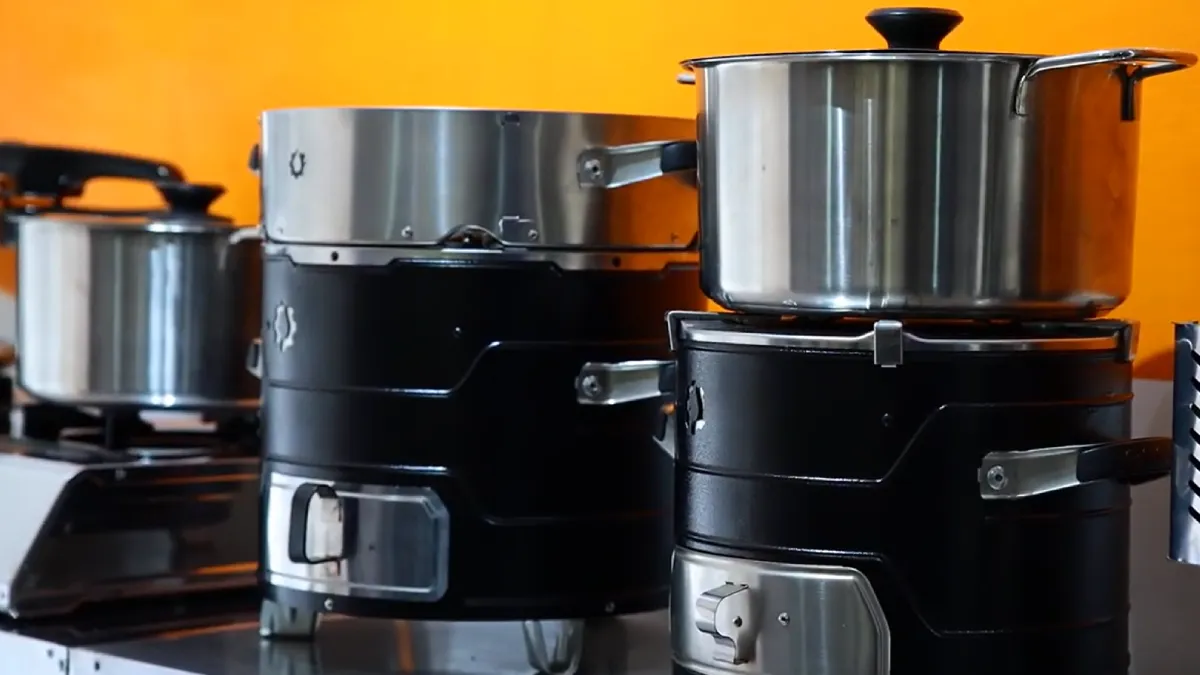
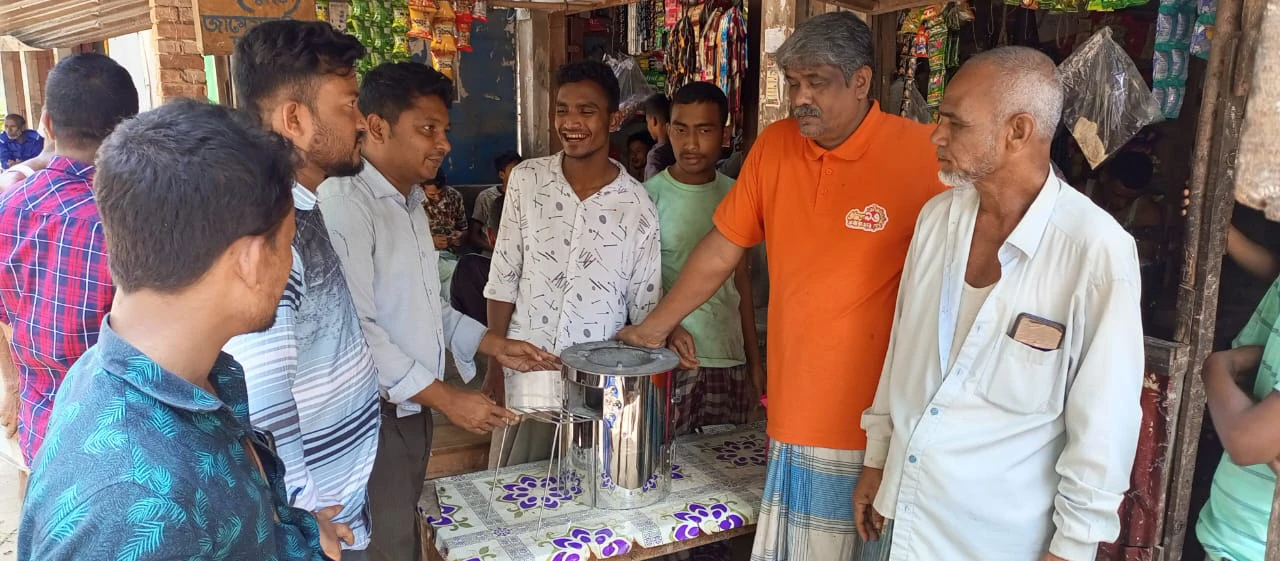
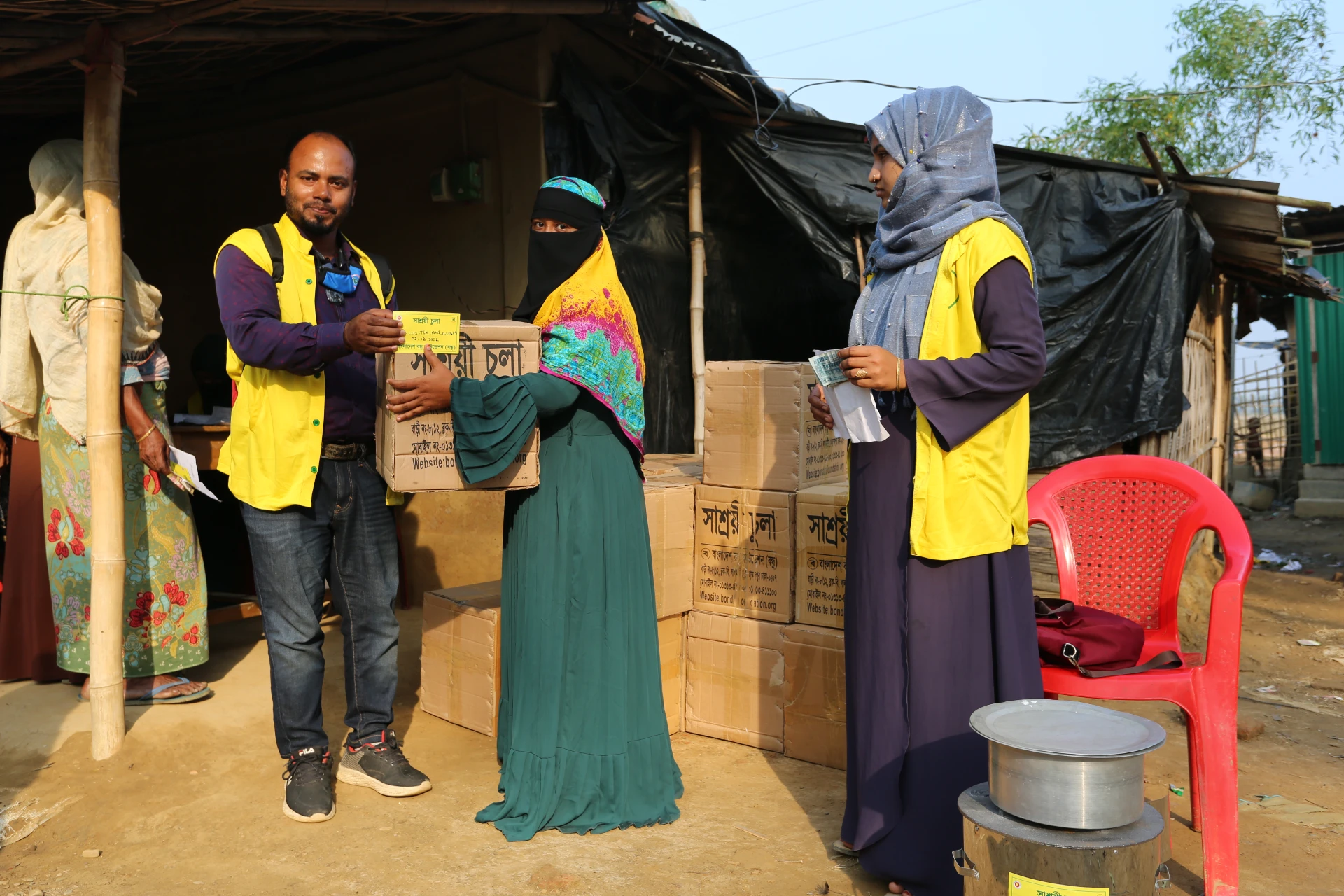
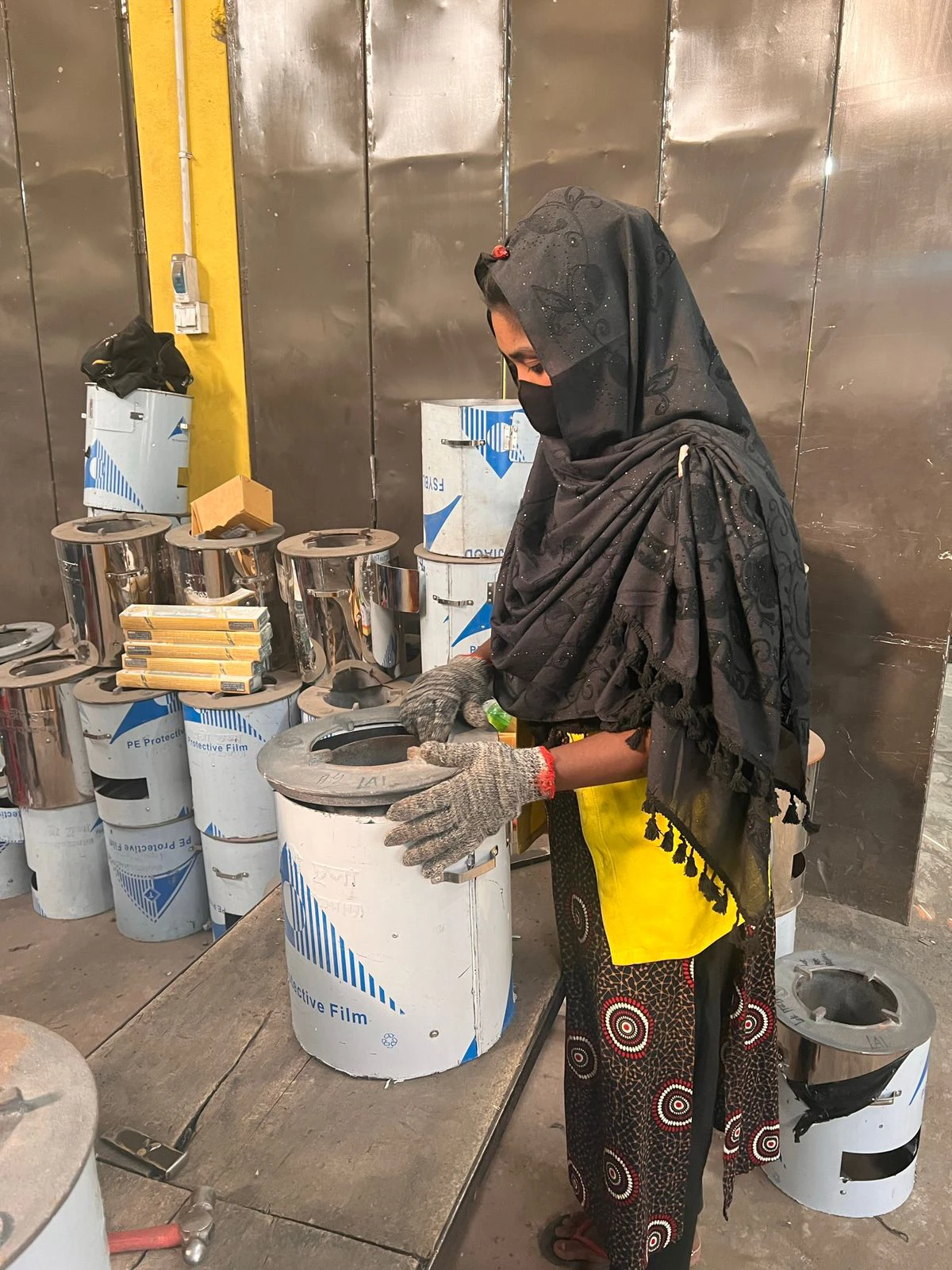
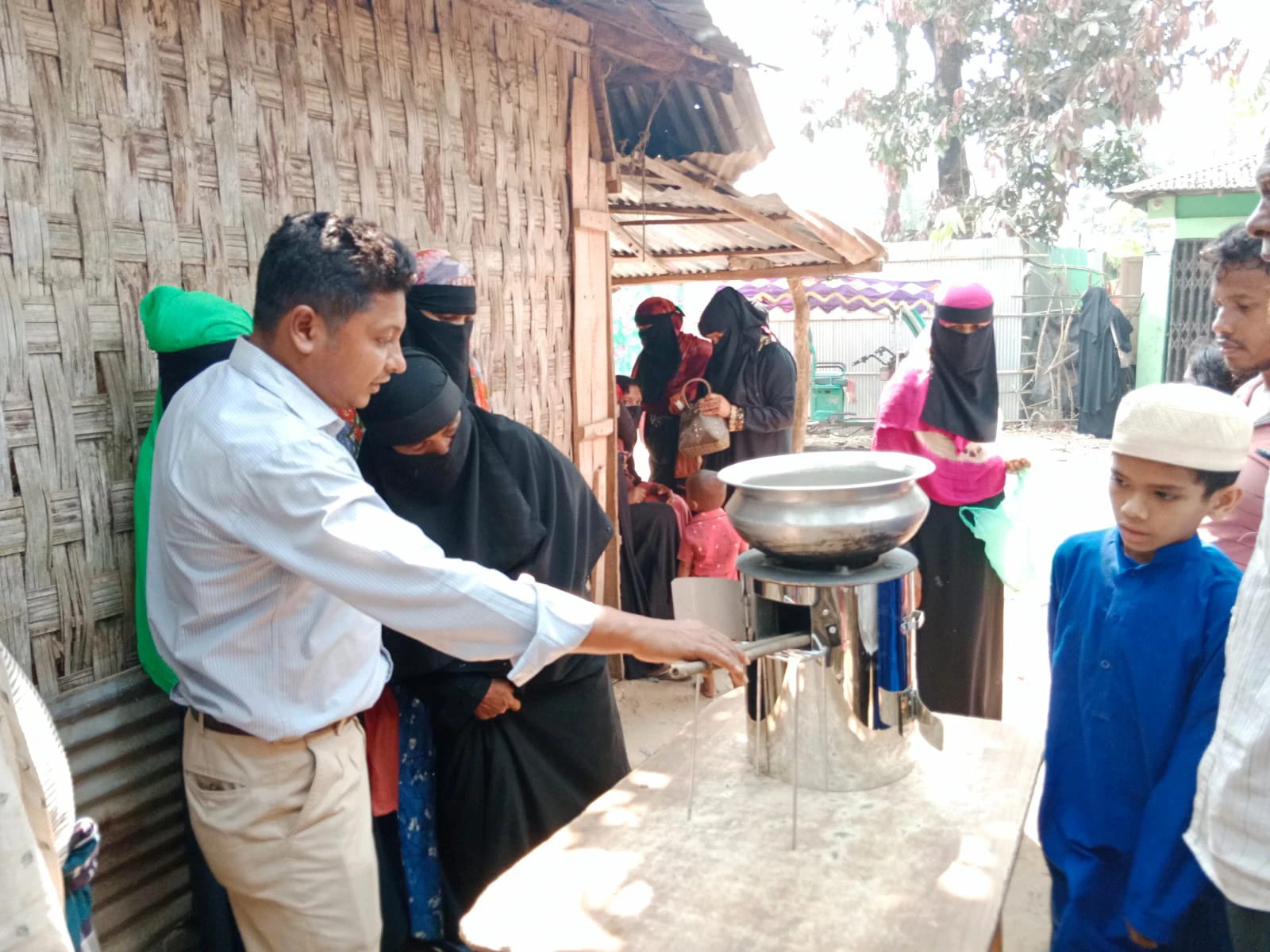
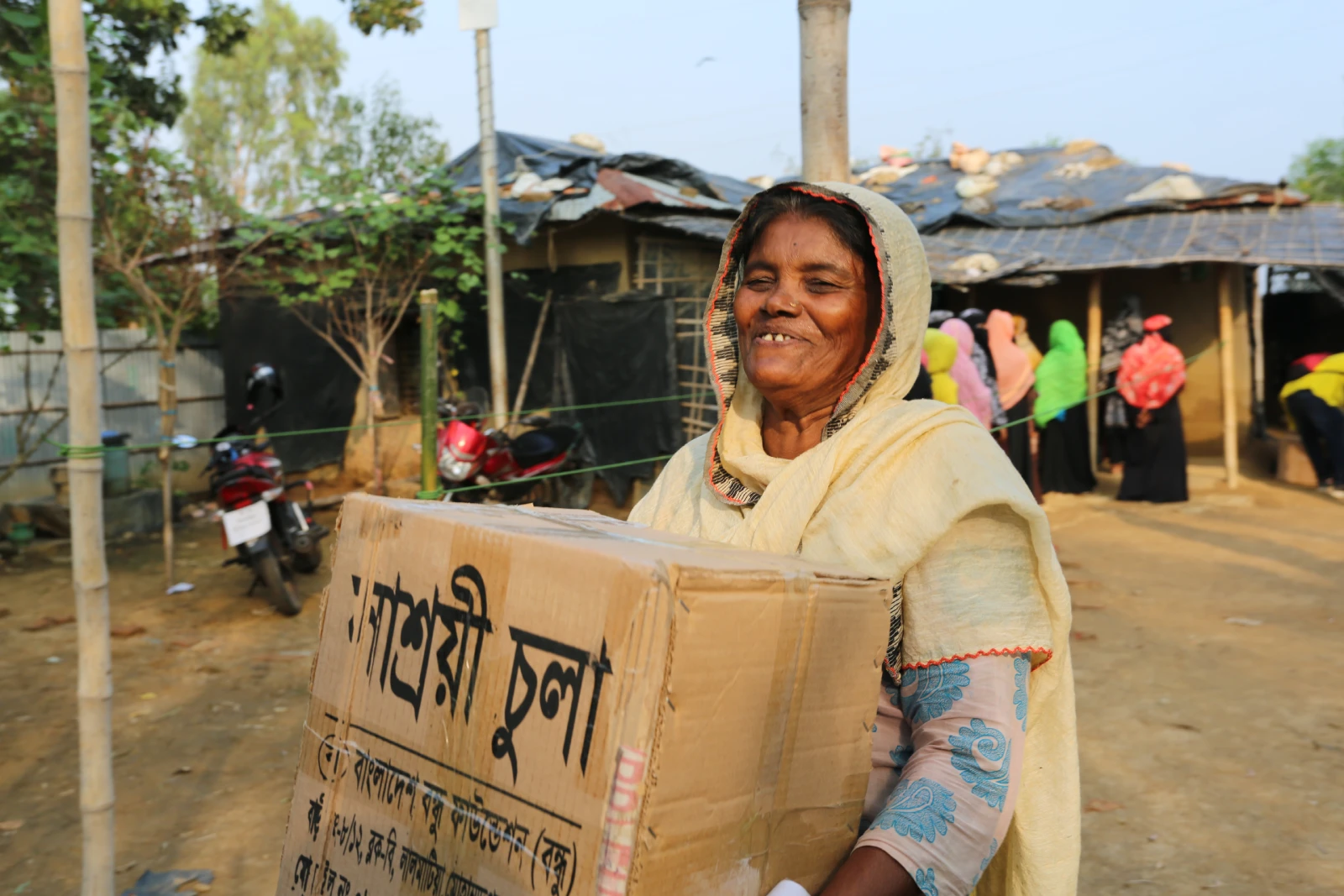
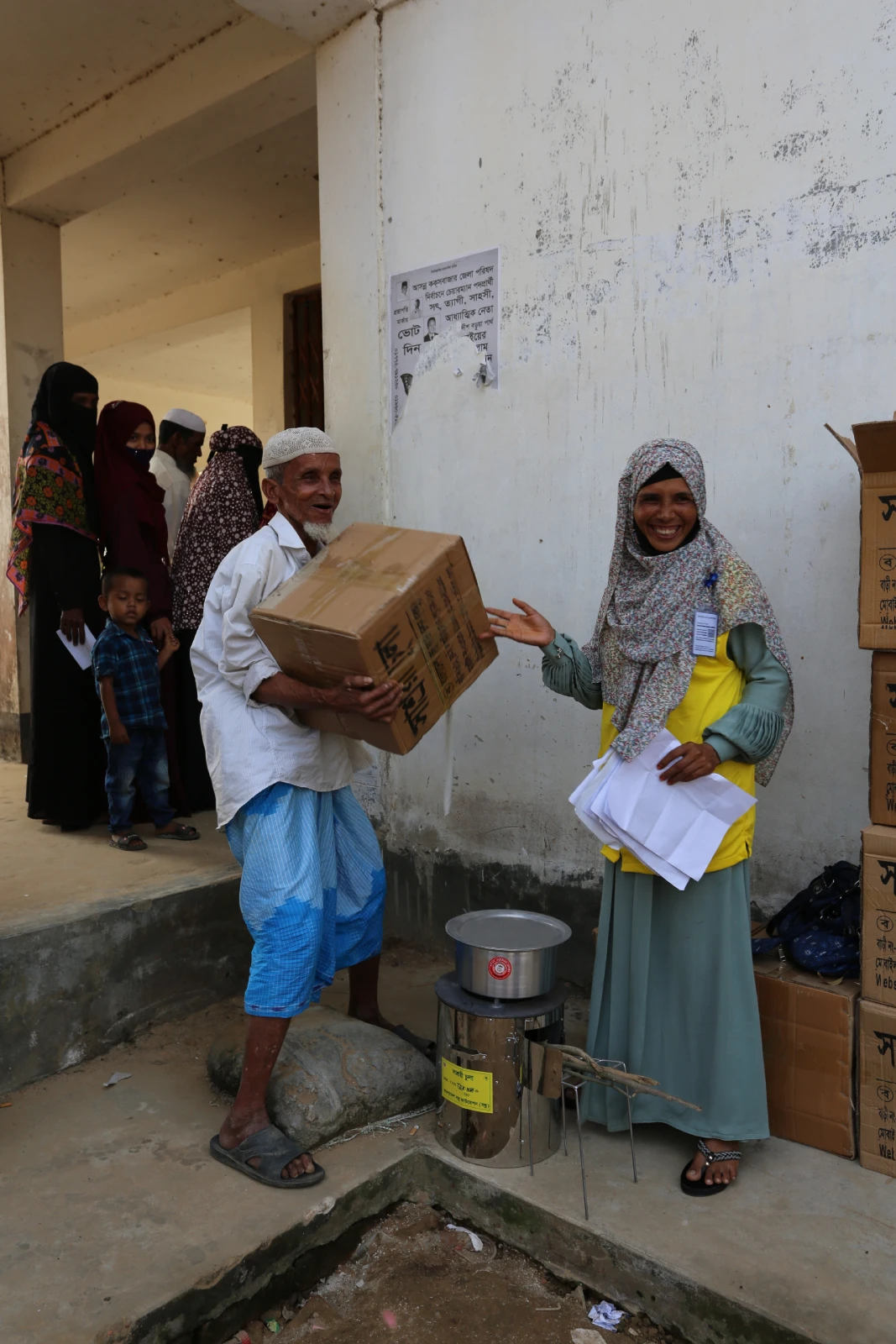
The project Kitchens Without Borders replaces these traditional cooking methods with high-efficiency metal cookstoves called Sashroyi Chulas (which translates from Bangla to English as “Fuel-Saving Cookstoves”). These stoves are 40% more efficient in burning fuel as compared to the traditional three stone cookstoves, and reduce smoke, particulate matter, and other gaseous emissions that contribute to household air pollution. By November 2025, the project had distributed 151,271 cookstoves free of charge to local households that volunteered to participate.
By reducing the amount of fuelwood burnt, the project helps to reduce greenhouse gas emissions and ease deforestation pressure — maintaining local carbon sinks that absorb atmospheric carbon dioxide. Households can also save up to 30–50% on fuel expenses due to lower fuel consumption.
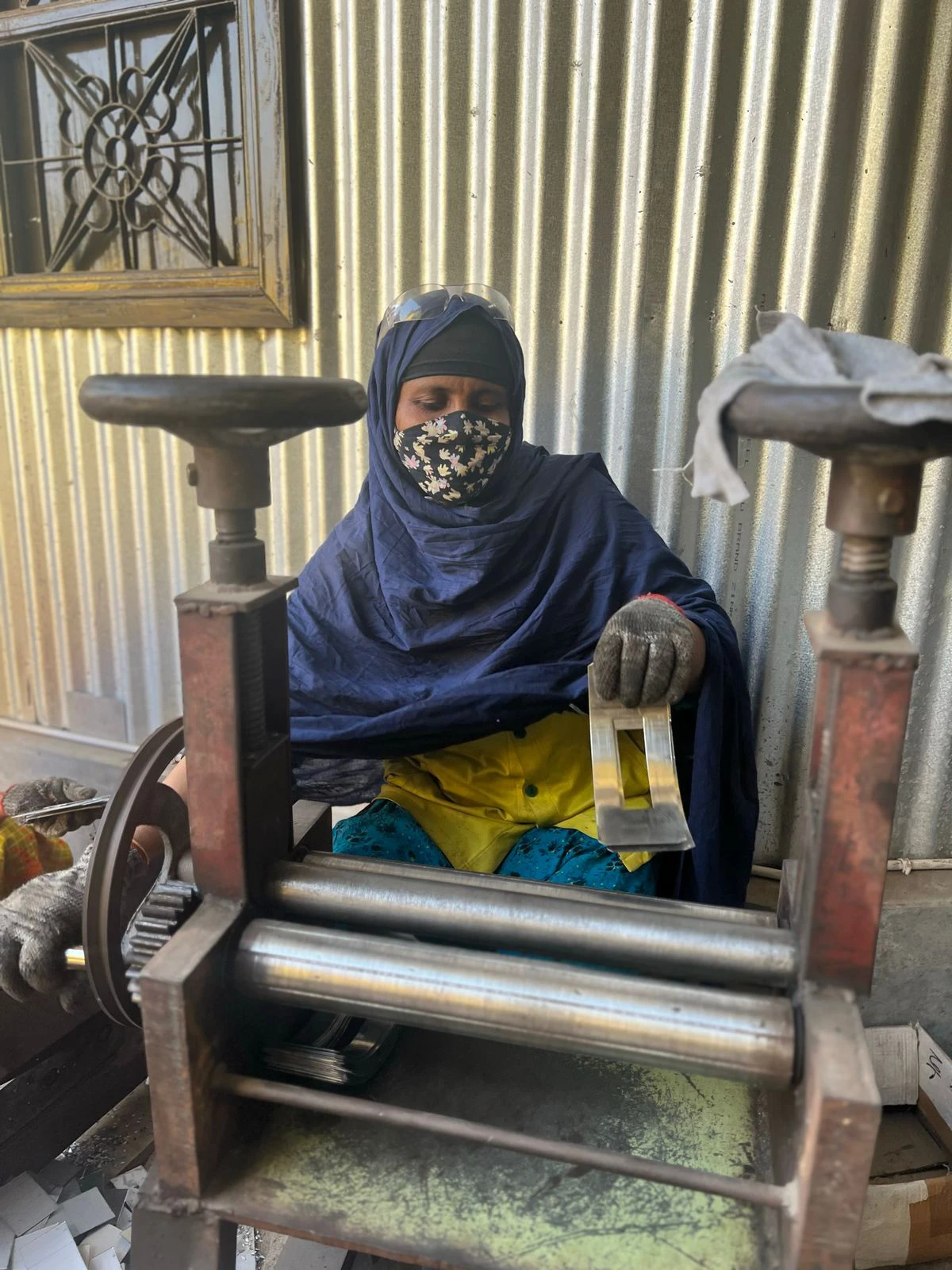
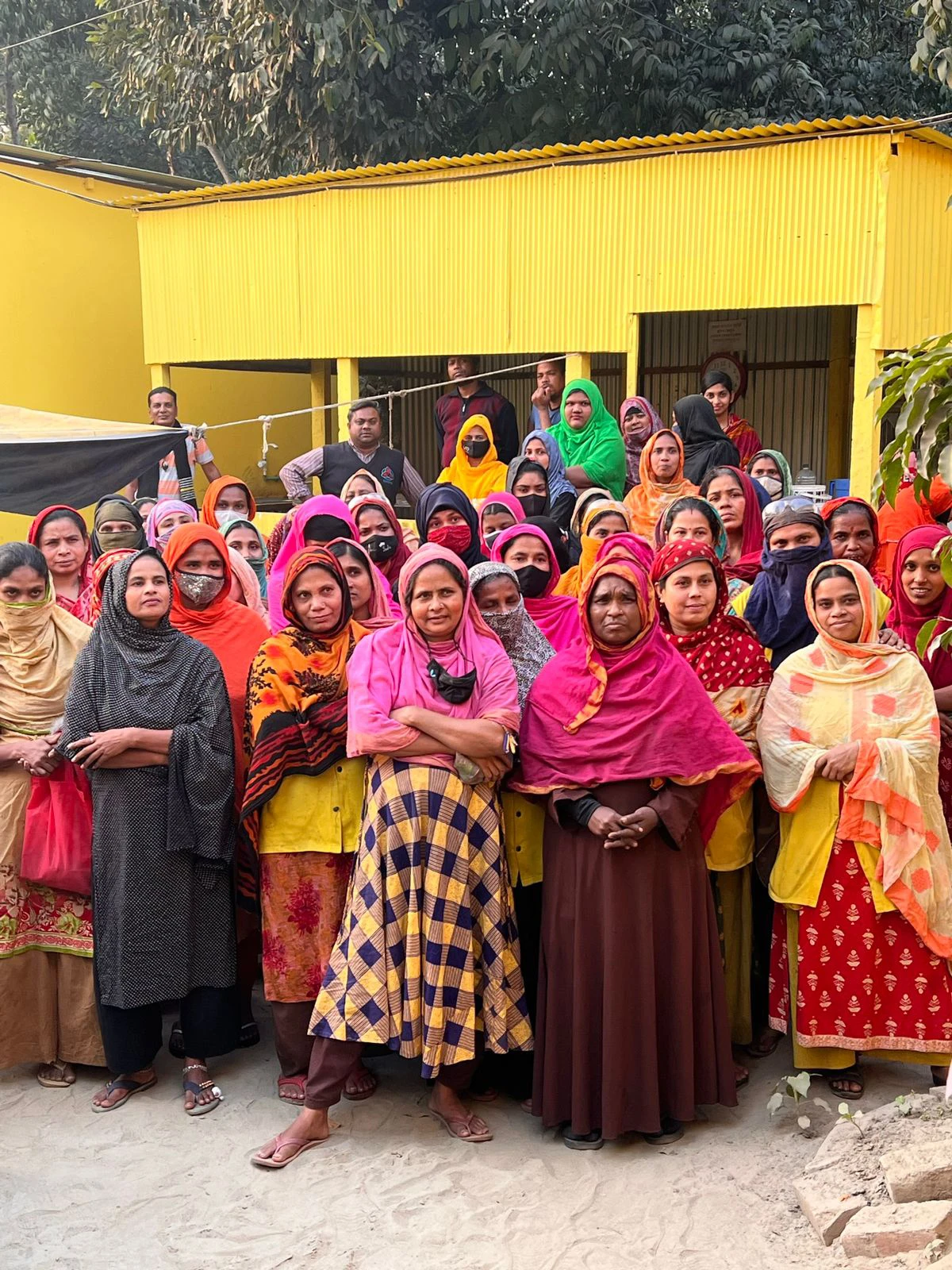
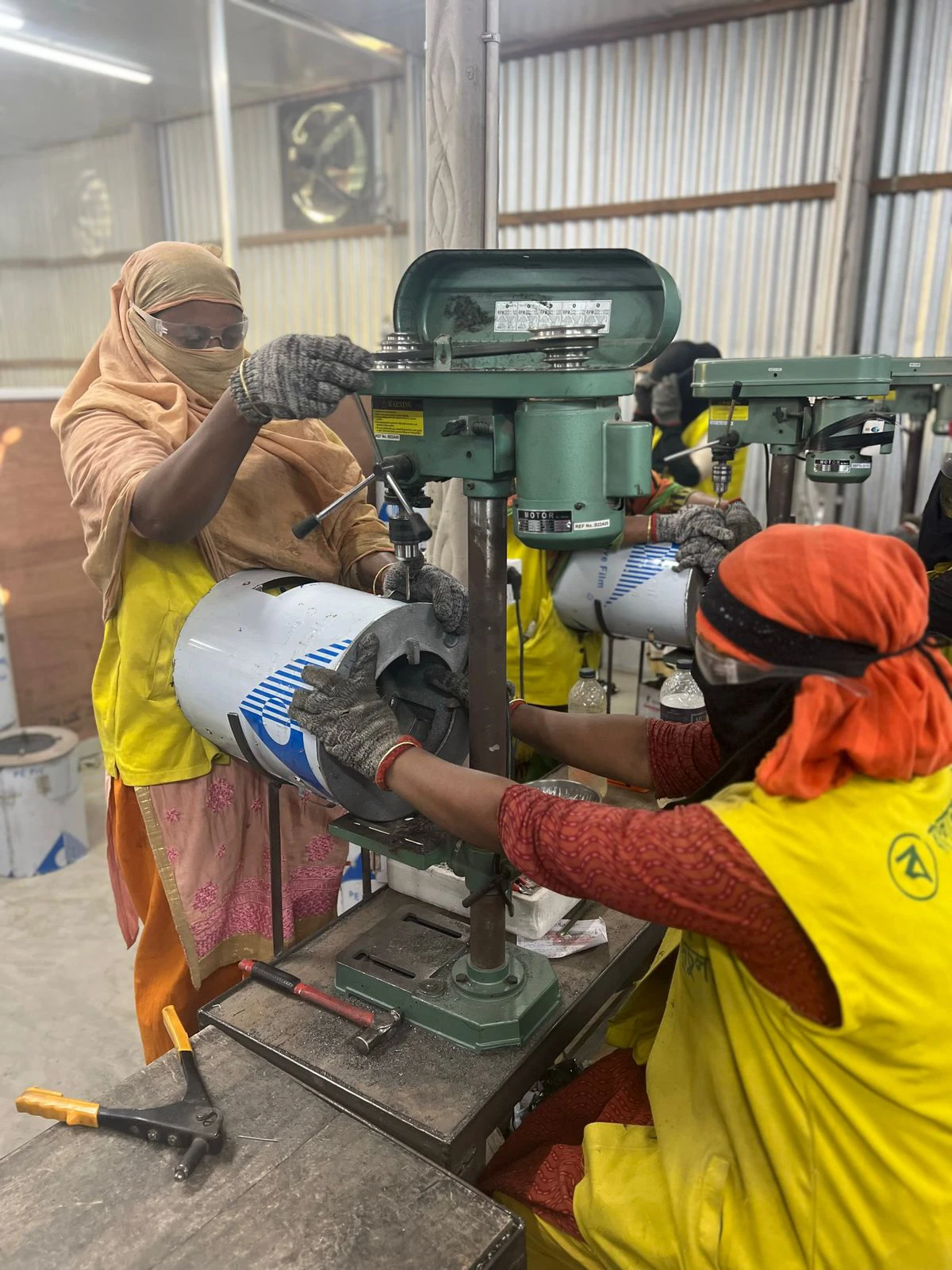
The project manufactures stoves in Bangladesh, creating local employment in production, distribution, and maintenance while building a self-reliant supply chain. Its factory employs over 300 workers, many of whom are women who would otherwise have limited access to formal work. Local entrepreneurs are also trained to distribute and promote the stoves, ensuring communities are informed about the benefits of using cleaner cookstoves and receive user training on proper maintenance and use.
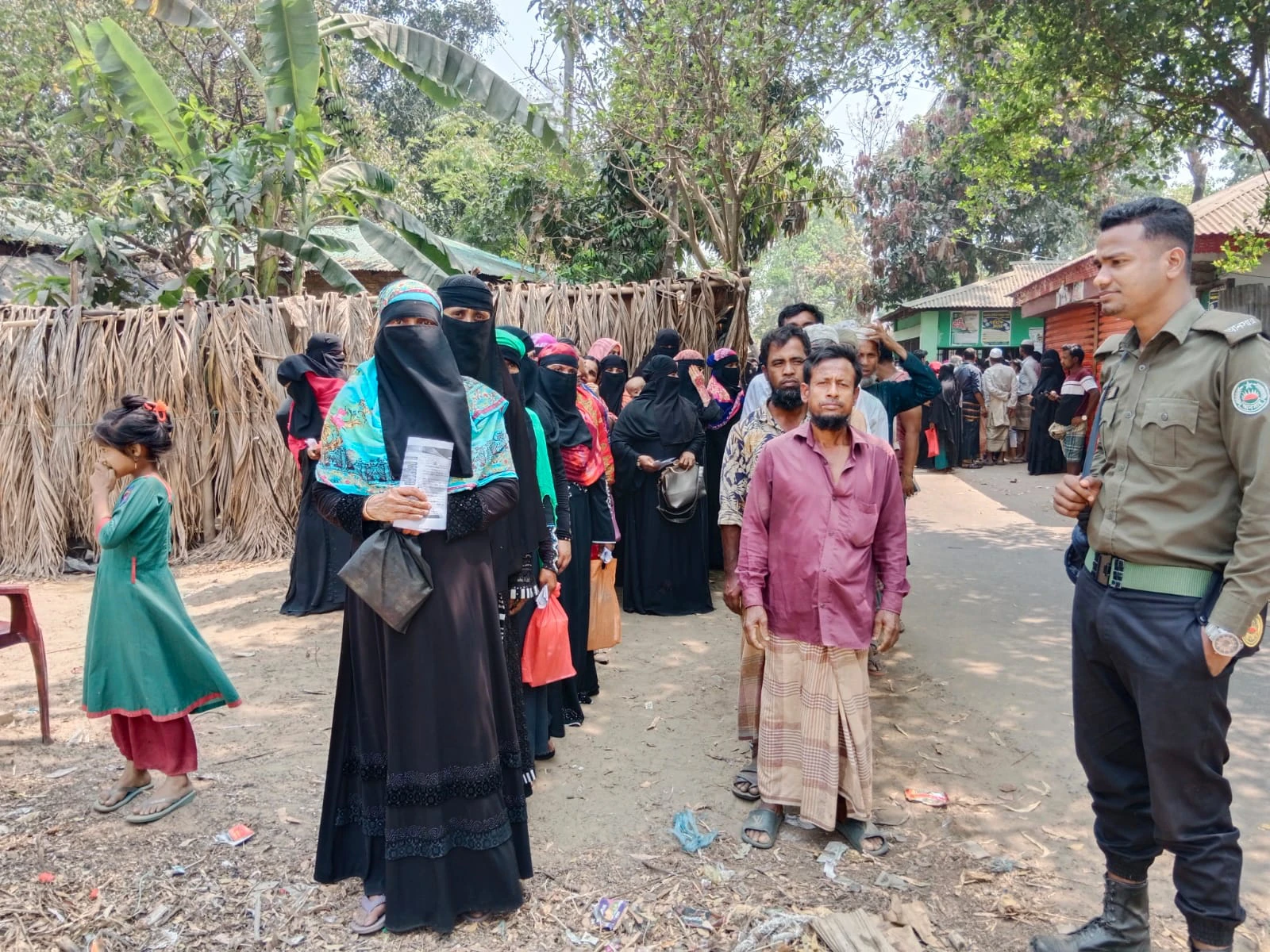
Strategic collaboration with both the local government and the union council played a key role in designing an accurate stove distribution plan across the project area. The deployment was carried out under their direct supervision to ensure strict adherence to the “one stove per household” policy. Prior to implementation, the project also secured permission from the Upazila Nirbahi Officer (the district’s senior civil service official) and local government, ensuring local approval and collaboration.
Local community members are deeply integrated into the project’s operations. They actively participate in monitoring activities and lead stakeholder engagement processes — ensuring that the project remains grounded in local realities and priorities. Regular community meetings, one-on-one visits, and awareness sessions are conducted to keep beneficiaries informed about ongoing project progress, stove performance, and maintenance schedules.
The project design is currently being updated to ensure full alignment with CCP labelling requirements. Future credit issuances from the project are therefore expected to be CCP-labelled, with approximately 600,000 of these CCP-labelled credits to be issued over the next four issuances from 2026 to 2029.
Learn more about Cookstoves
Access to clean and efficient cooking presents major global development and environmental issues.
Replacing traditional stoves with efficient models, cutting deforestation, lowering emissions, and improving health through cleaner indoor air