Biochar
Turning biomass into biochar to lock carbon in soils, boosting fertility, and cutting greenhouse gas emissions for lasting climate and agricultural benefits
What’s the challenge?
Produced by the heating (or pyrolysis) of biomass, biochar can store carbon captured from the atmosphere for hundreds or even thousands of years. This makes it a highly effective carbon sink.
Plants store carbon in their tissues as they grow. When plants decompose, they release this carbon back into the atmosphere, which other plants eventually absorb. Each year, decaying plants release 60 petagrams of carbon – six times more than all human emissions – making up approximately 10% of the total amount of carbon in the atmosphere.
While this is a natural, carbon-neutral process, biochar offers a way to make it carbon-negative by locking carbon into the soil.
How are CCP-Approved biochar credits generated?
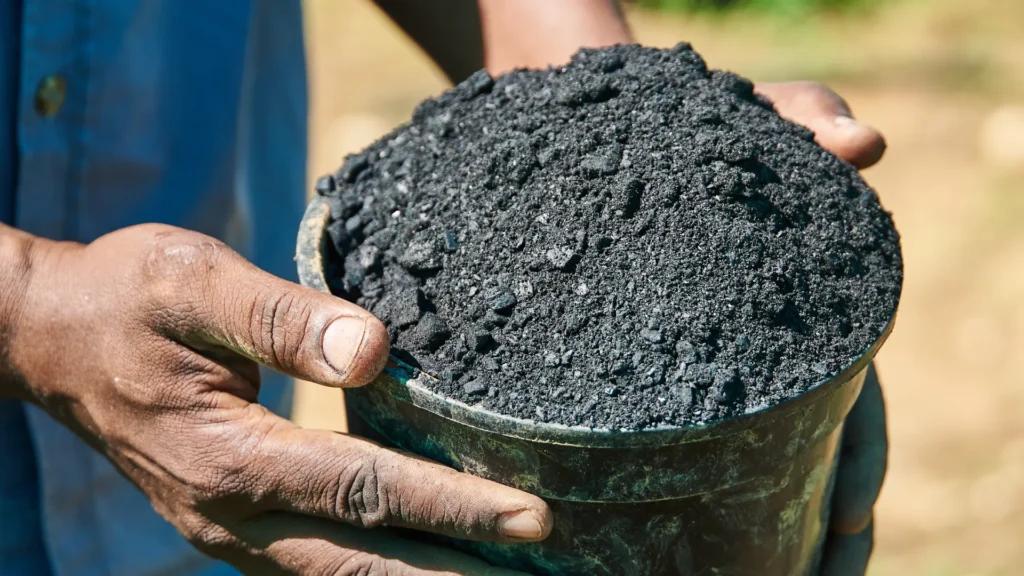
Biochar is a highly absorbent, carbon-rich material produced by heating biomass (like agricultural waste or wood) in a low-oxygen environment through a process called pyrolysis.
This stabilises the carbon within the biomass, preventing it from decomposing and releasing carbon dioxide.
Biochar is then added to soil, where it acts as a long-term carbon sink. It can store the carbon captured from the atmosphere by the original biomass for hundreds or even thousands of years.
Co-benefits of biochar
Biochar carbon credits offer a range of co-benefits beyond climate mitigation:
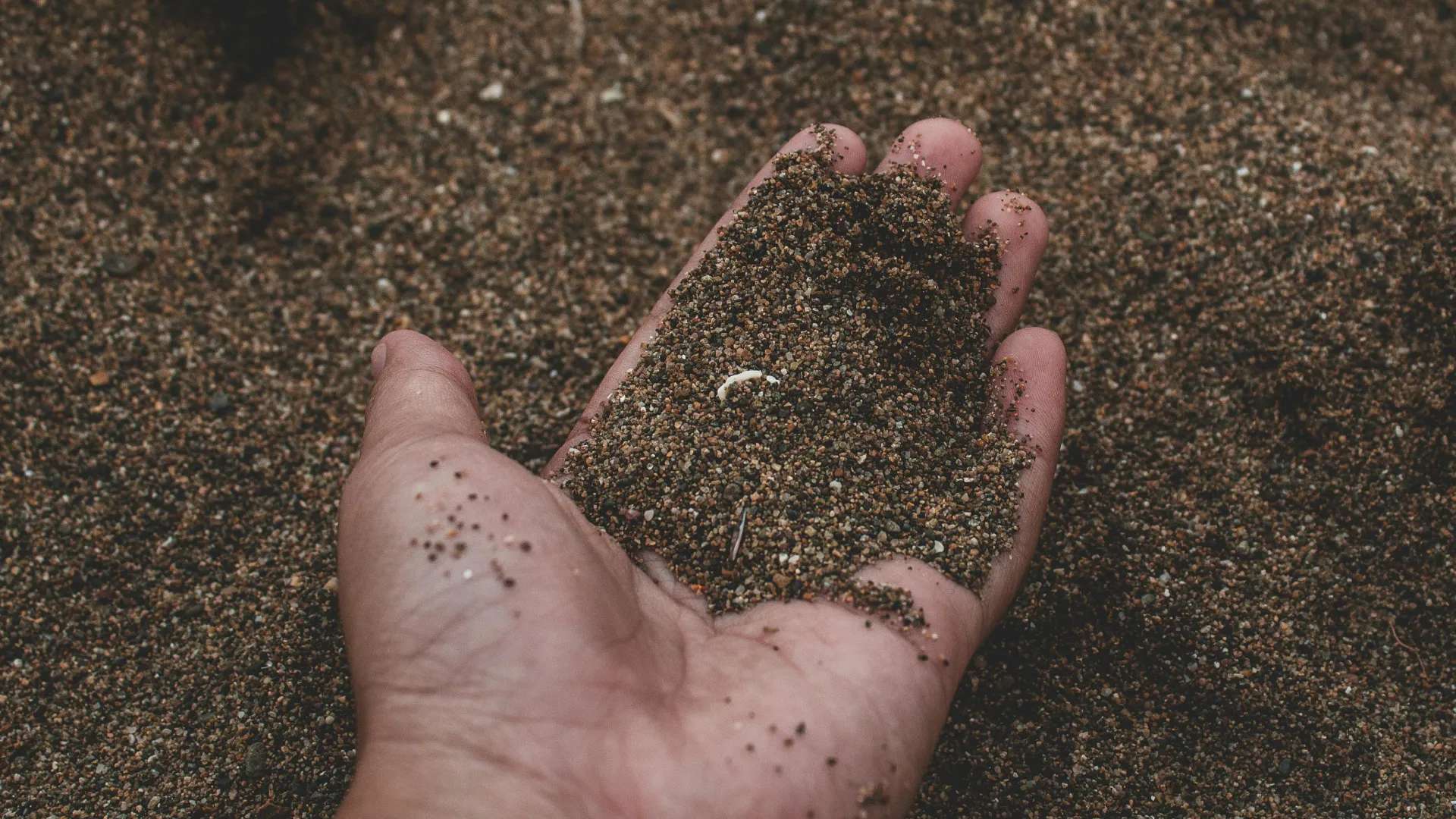
- Improved soil quality: biochar can help to enhance soil structure, bolster nutrient retention, and reduce acidity. With approximately 33% of soils globally classed as moderately to highly degraded, solutions like biochar are becoming increasingly important.
- Decreased reliance on chemical fertilisers: the positive impacts of biochar on soil may help plants and microbes to grow more effectively. Although its effects on soil health are not yet reliably predictable, this could lessen the need for chemical fertilisers that contribute to water pollution, greenhouse gas emissions, and biodiversity loss.
- Reduced water usage: as a porous material, biochar can improve water retention and aggregation in soil. This can help farmers to reduce their water usage, particularly in dryer areas.
Which biochar methodologies are high-integrity, CCP-Approved methodologies?
A full list of all CCP-Approved methodologies, along with those still in assessment, can be found in our assessment status table.
What percentage of credits do these methodologies represent?
As of August 2025, all three biochar methodologies approved by the Integrity Council are new, with no current issuance. Twenty-five projects have been registered under Isometric Biochar Production and Storage with 500,000 credits expected to be issued in 2026. Three projects have been registered under VM0044, with 249,000 credits expected to be issued annually.
How we assess categories of carbon credits:
Learn about the other part of the ICVCM’s two tick process – the assessment of categories of carbon credits.
Integrity Council approves Biochar & Improved Forest Management methodologies