Tond Tenga
• Project ID: VCS-5085
Tree Aid
Verra
Afforestation, Reforestation & Revegetation (ARR)
Verra VM0047: Afforestation, Reforestation, and Revegetation
Burkina Faso
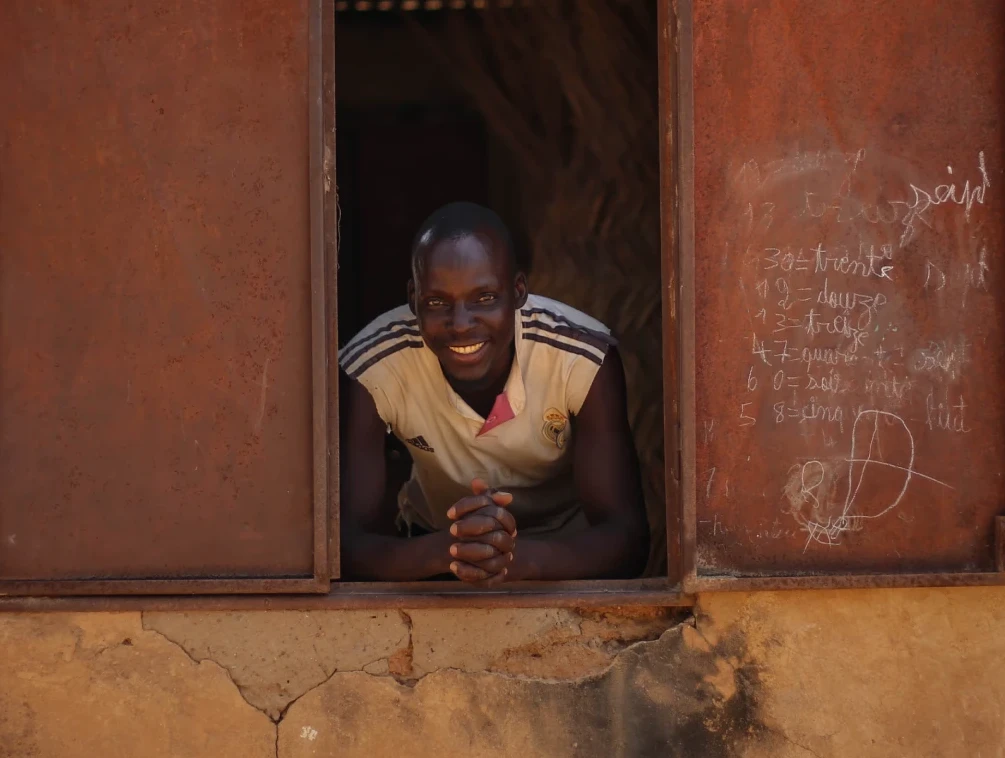
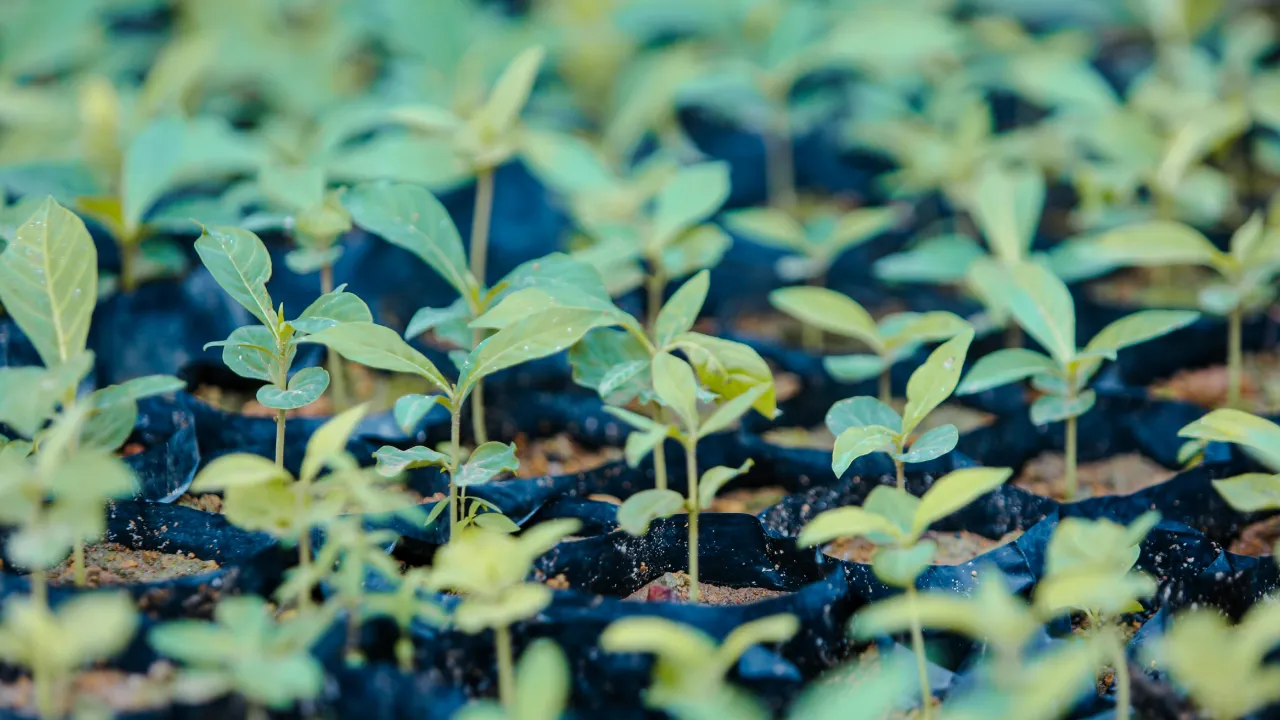
Tond Tenga — meaning “Our Land” in Mòoré, the most widely spoken language in Burkina Faso — is a new community-driven agroforestry and reforestation project using the VM0047 methodology. It supports up to 185 villages in restoring more than 12,000 hectares of degraded land.
Located in a region heavily affected by deforestation, desertification, and the impacts of the climate crisis, the project empowers smallholder farmers and communities to grow trees that restore soil health, improve crop yields, and generate new sources of income. Over its 40-year lifetime, the project will plant more than six million trees and is expected to remove over three million metric tonnes of carbon dioxide from the atmosphere — directly contributing to the Great Green Wall initiative. Launched in 2007 by the African Union, this initiative aims to combat desertification and restore degraded land across the Sahel region in western and north-central Africa.
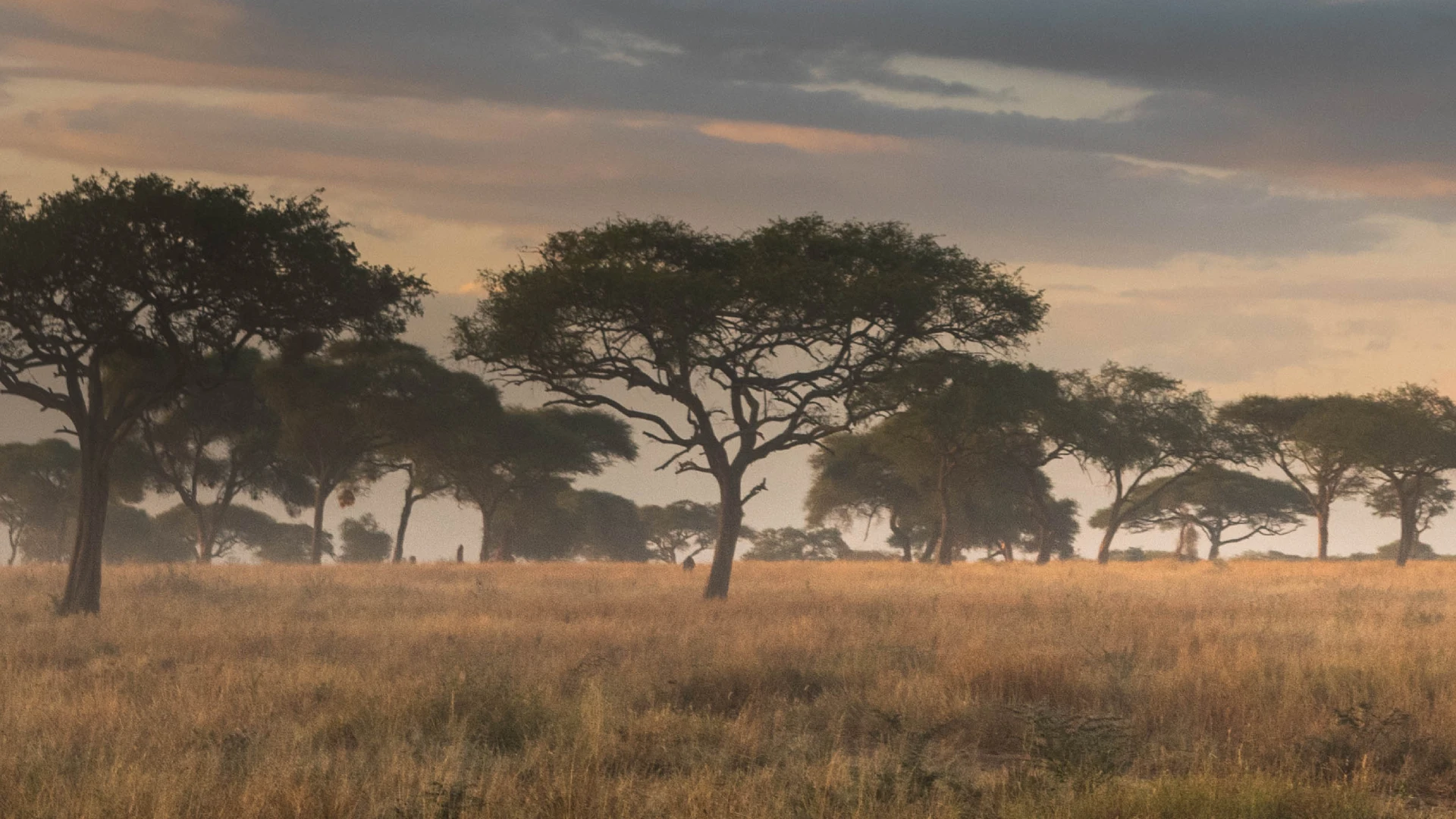
The environmental benefits go beyond greenhouse gas removals. The project’s focus on sustainable land management is improving soil fertility, enhancing groundwater recharge, reducing erosion, and helping buffer communities against climate shocks such as droughts and floods. Early vegetation surveys show increases in species richness — doubling in several sites compared to degraded baselines. This ecological recovery is expected to provide habitat for pollinators, small mammals, and migratory birds, with systematic biodiversity monitoring planned from 2026.
No CCP-labelled credits have yet been issued for this project, but 3.7 million credits are projected over the 40-year period, with the first monitoring cycle and issuance expected in 2027–2028.
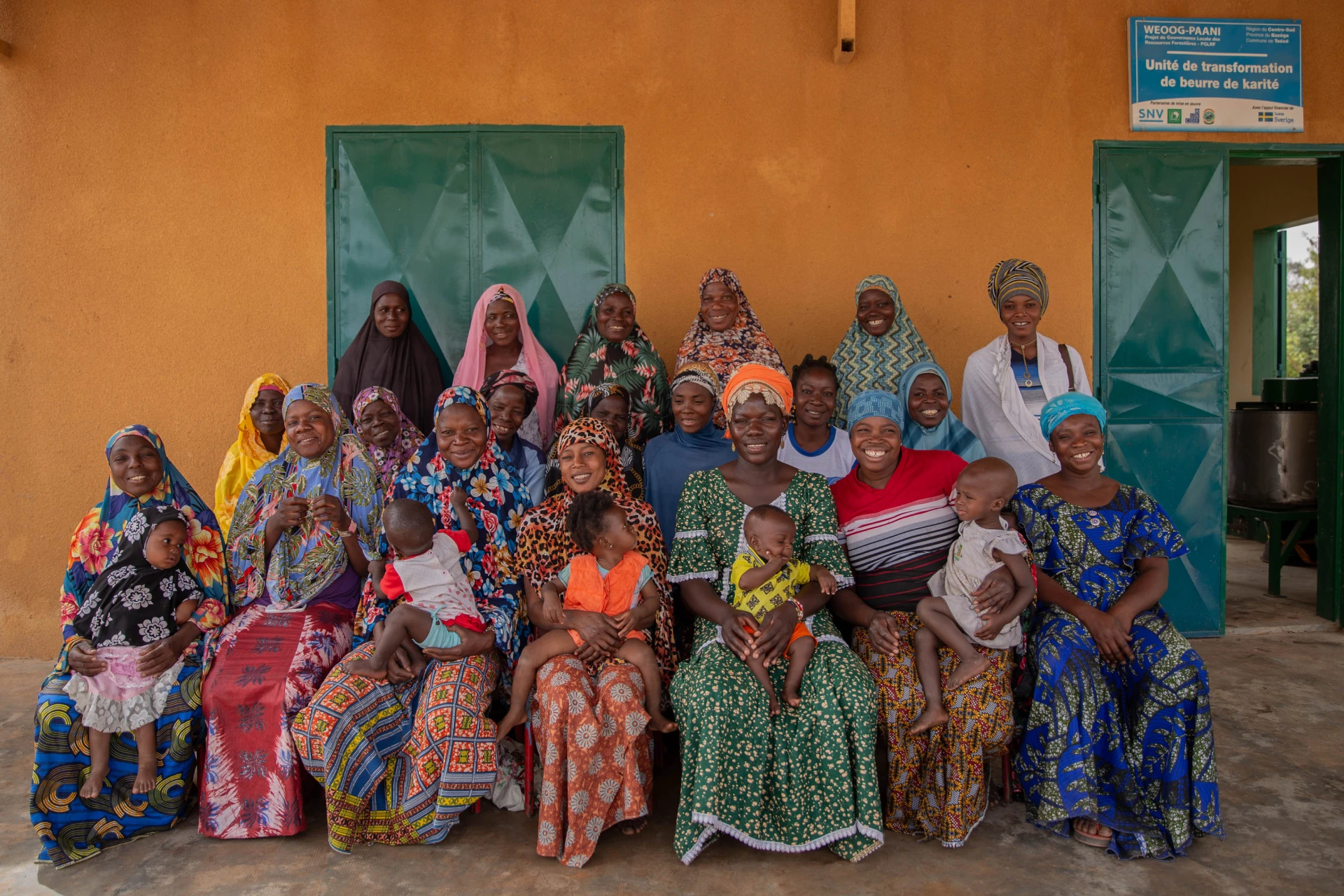
The project uses a CCP-Approved methodology. Forest governance initiatives linked to the project began in 2009, when local authorities formally recognised cooperative land management rights. Today, the project supports a network of more than 40 cooperatives — responsible for planting, managing, and monitoring the forest — following training in the sustainable use and processing of forest resources into non‑timber forest products.
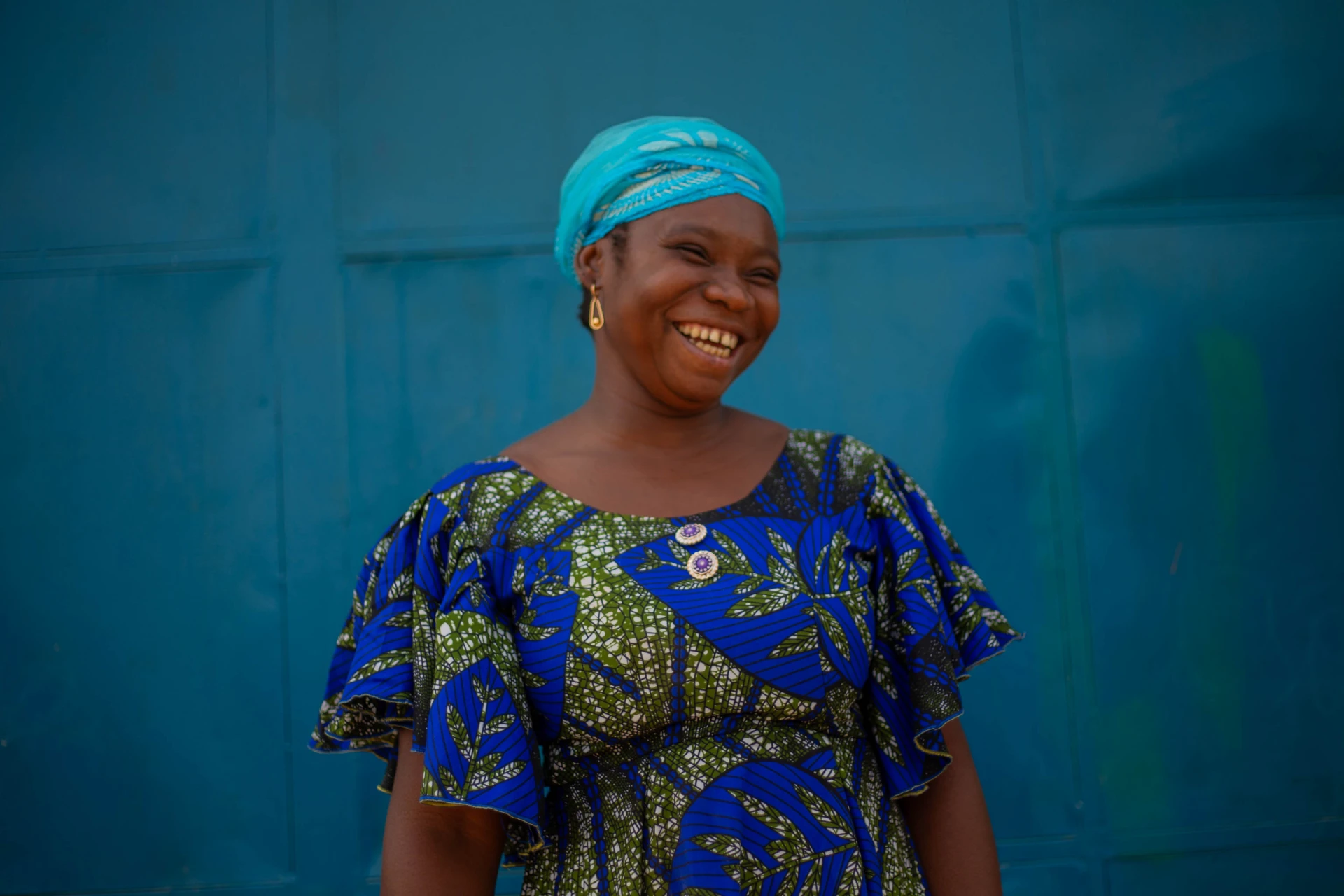
Importantly, the cooperatives oversee the distribution of carbon revenues as part of the project’s equitable benefit-sharing approach. Decisions are made transparently at regular community assemblies, with funds channelled into supporting community priorities — including improved access to water and education, and the creation of green jobs through restoration and sustainable livelihood activities. Tree Aid expects the project will deliver more than $30 million in direct financial benefits over the next 40 years to communities living in and around the forest areas, who are actively involved in restoring and protecting the forest. One hundred percent of the revenue will go to the communities.
Since the VM0047 methodology was approved in December 2024 by the ICVCM as meeting the Core Carbon Principles (CCPs), Tree Aid has observed growing market confidence and increasing interest from buyers — with the potential for significantly higher prices for future credits. This is expected to generate even greater financial returns for participating communities, reinforcing how high‑quality, high‑integrity projects can deliver substantial and lasting benefits for local people and their environments.
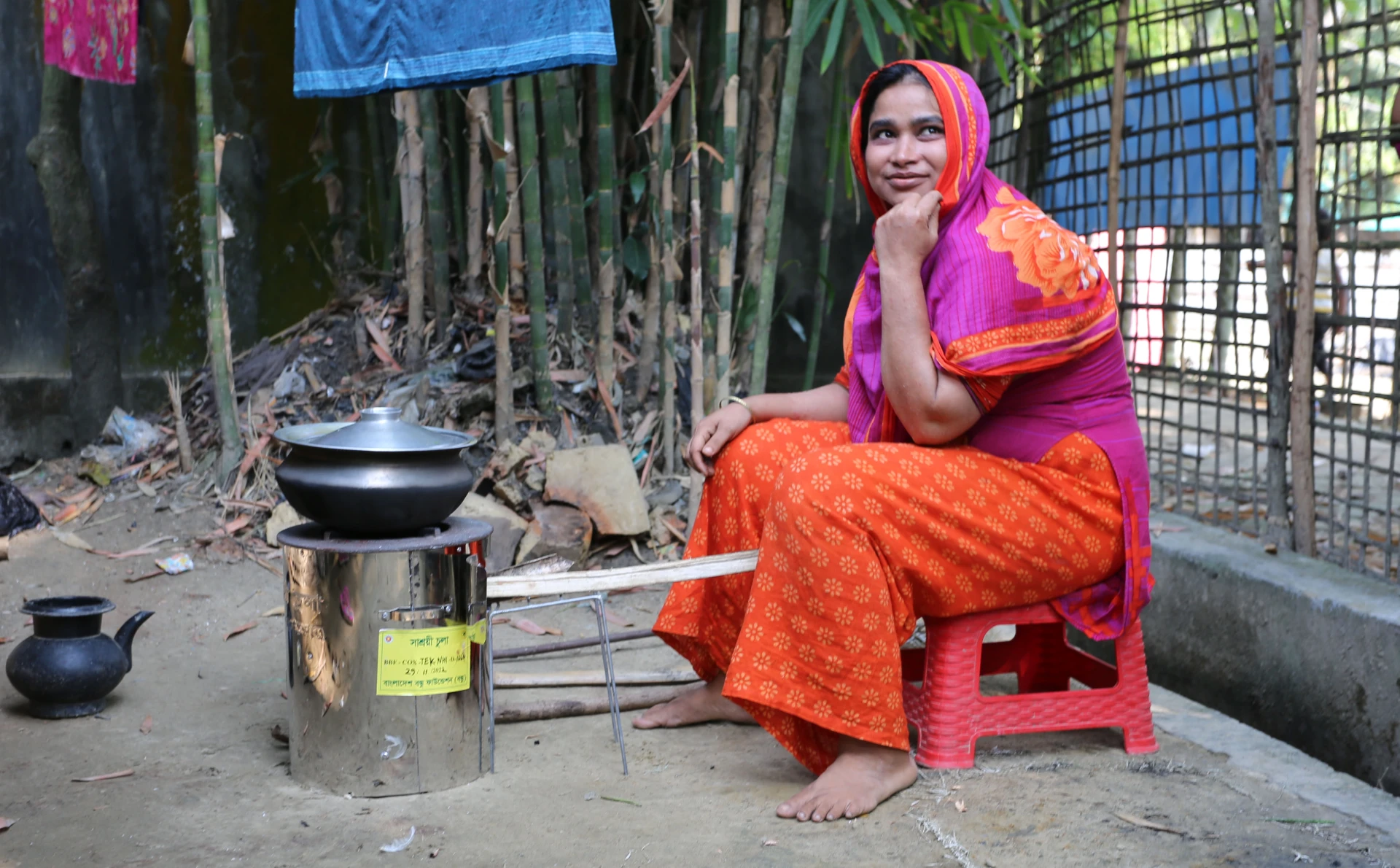
Other social and economic impacts include job creation in nurseries, tree planting, and monitoring activities — as well as increased food and income from non‑timber forest products such as shea and moringa. Women’s participation in decision‑making processes is also being strengthened, with more women taking on leadership roles within the cooperatives.
“The activities we carry out in the forest have brought in money that has been used to buy animals, food, pay school fees, pay for health care and other family expenses. The money that will come from looking after our trees will be used for income-generating activities that can benefit many.”
Mahamdi Nikiema
Farmer, Burkina Faso
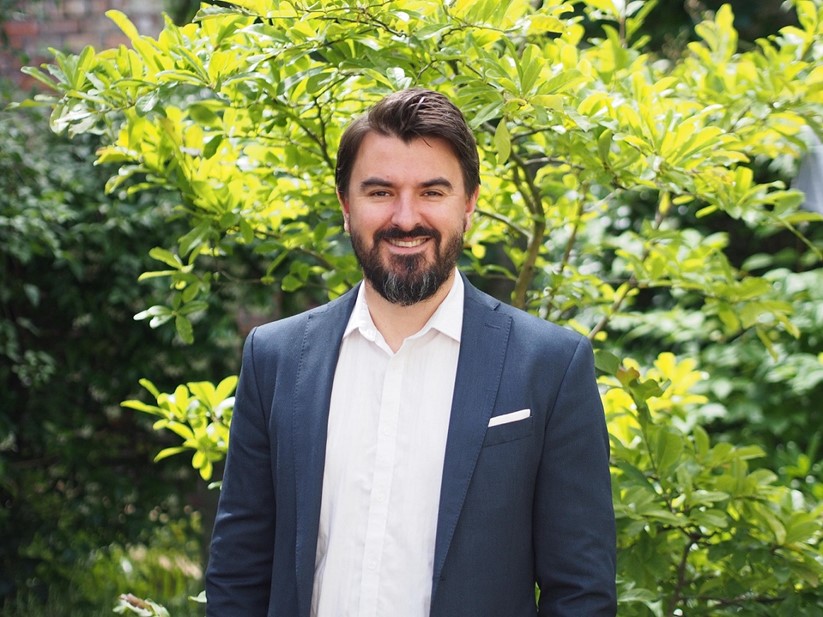
“We are incredibly proud that our work, giving communities in Burkina Faso direct access to a share of income generated from carbon credits, is not only impactful but innovative. We hope the Tond Tenga project paves the way for more community-centred carbon projects going forward.”
TOM SKIRROw
CEO, Tree Aid
Learn more about Afforestation, Reforestation, and Revegetation (ARR)
The world’s forests provide one of our largest natural carbon sinks, but over one-third have been lost to human or natural causes.
ARR is a climate solution that sequesters carbon by increasing forest cover: planting trees and shrubs or assisting natural vegetation.