Reforesting the Brazilian Amazon Project 1
Mombak
Isometric
Afforestation, Reforestation, Revegetation
ISM Reforestation – 1.1
Brazil
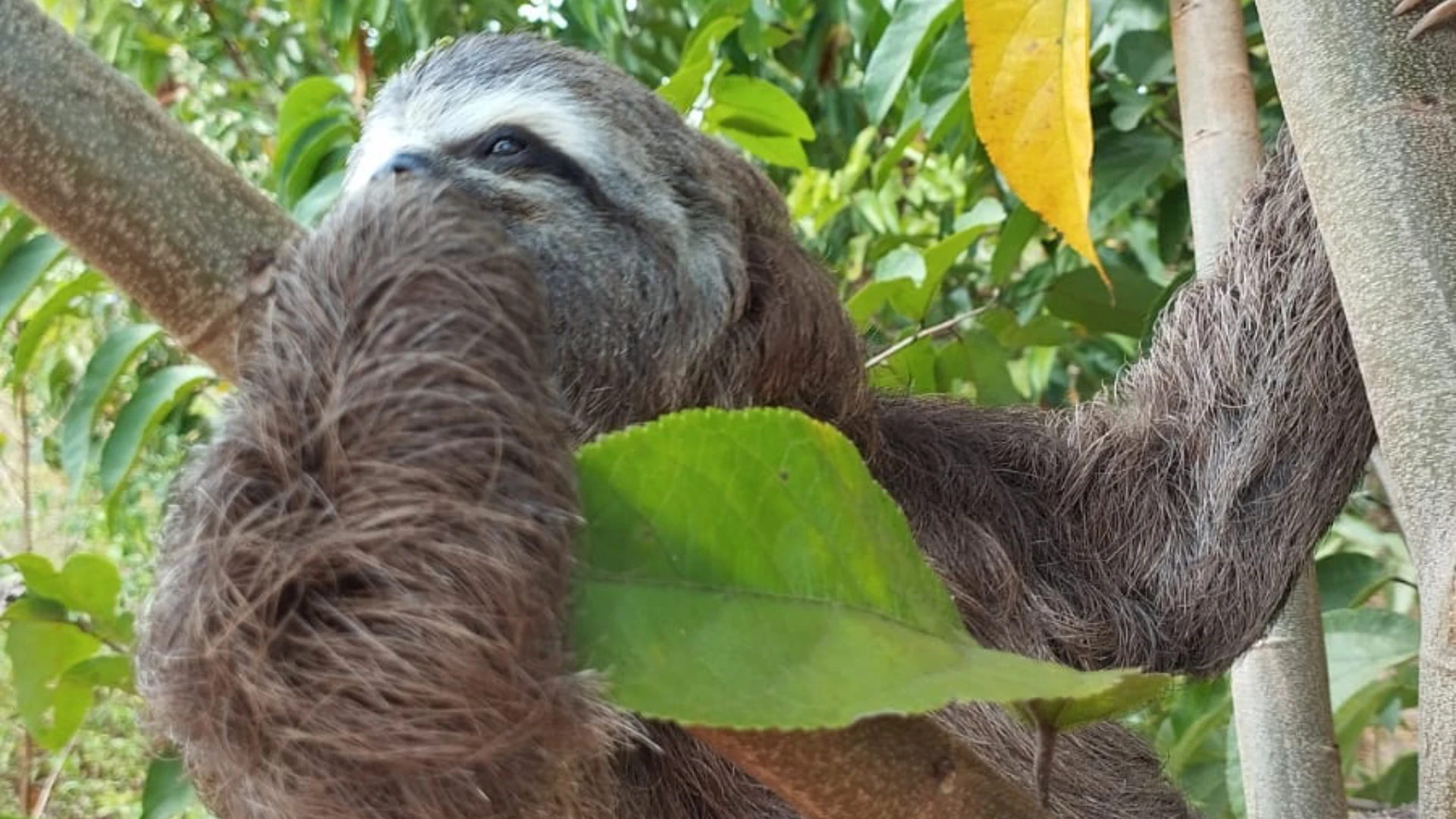
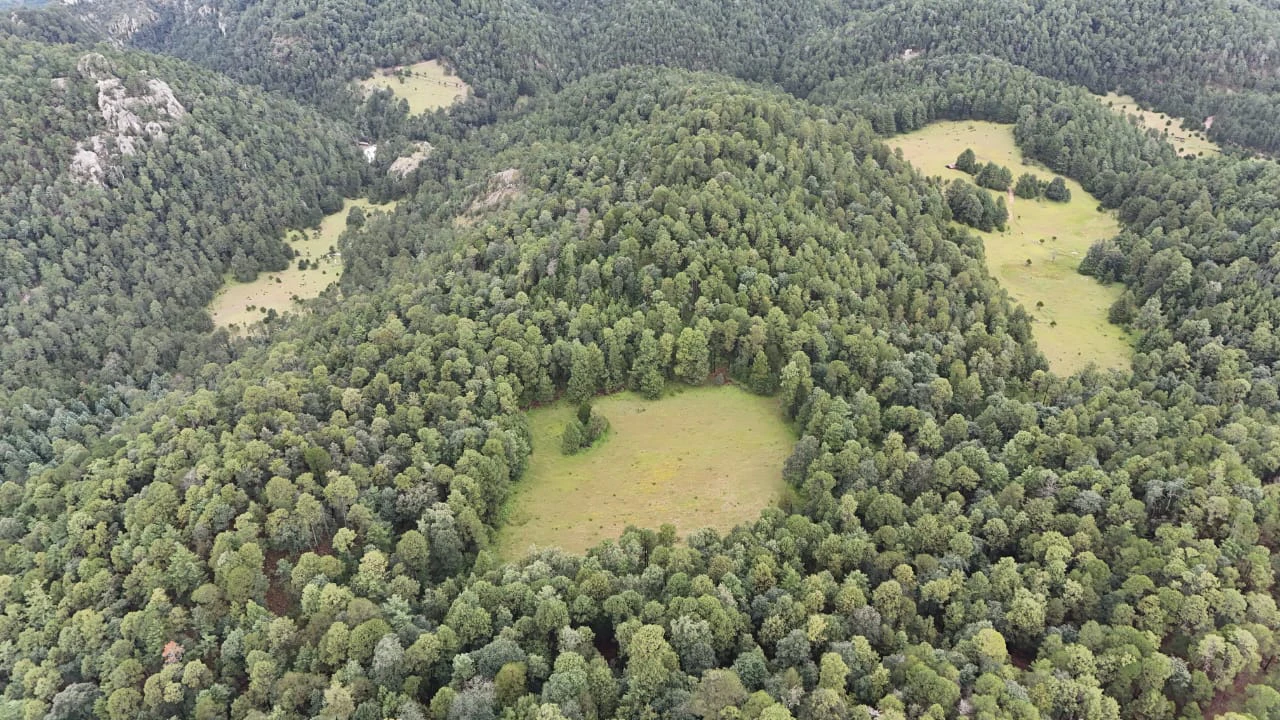
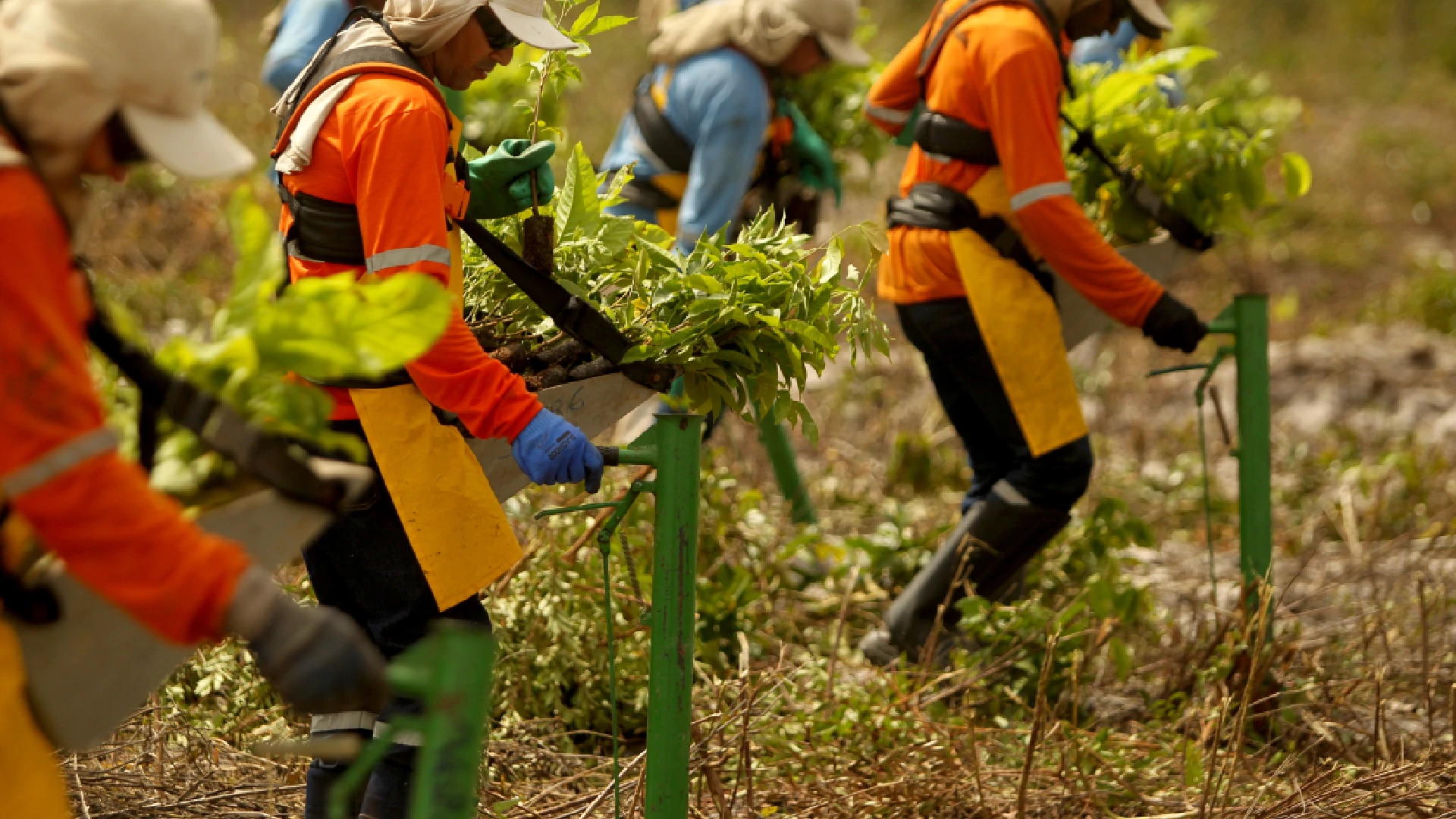
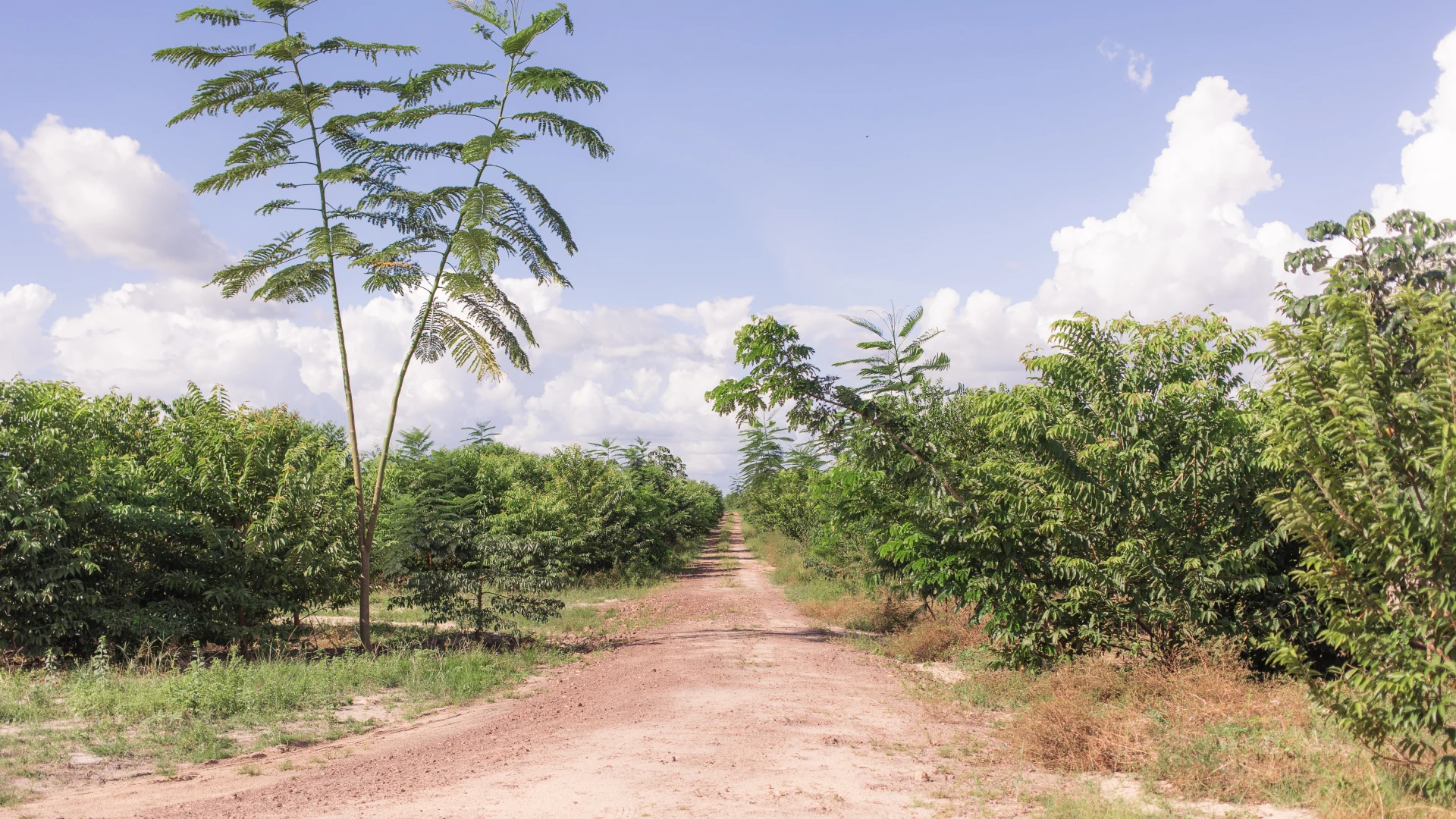
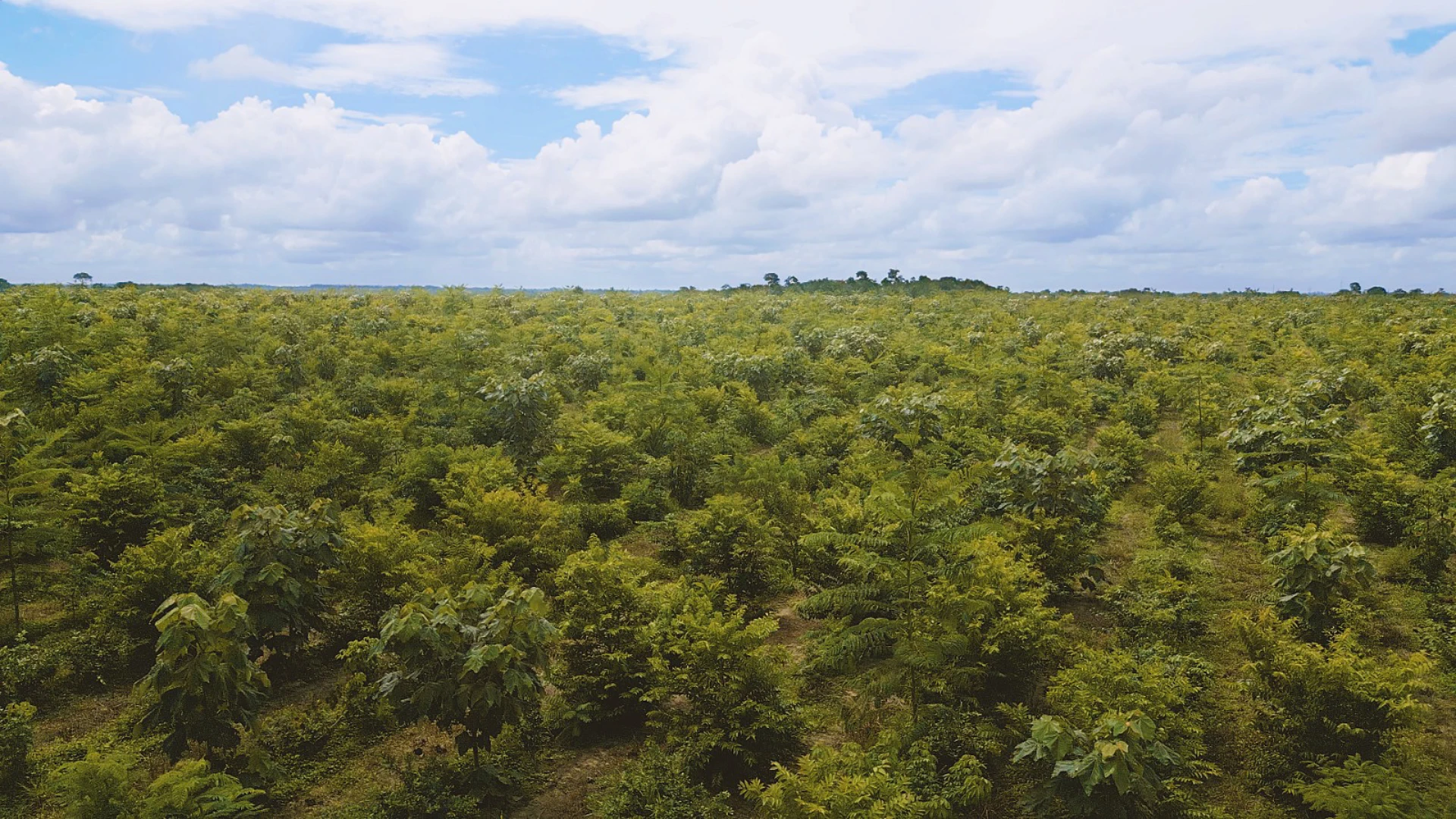
In Pará, the Brazilian state with the highest absolute deforestation in the country, Mombak is restoring degraded cattle pastureland to biodiverse native forest. Reforesting the Brazilian Amazon Project 1 combines active planting and assisted natural regeneration to restore landscapes that were previously used for cattle ranching.
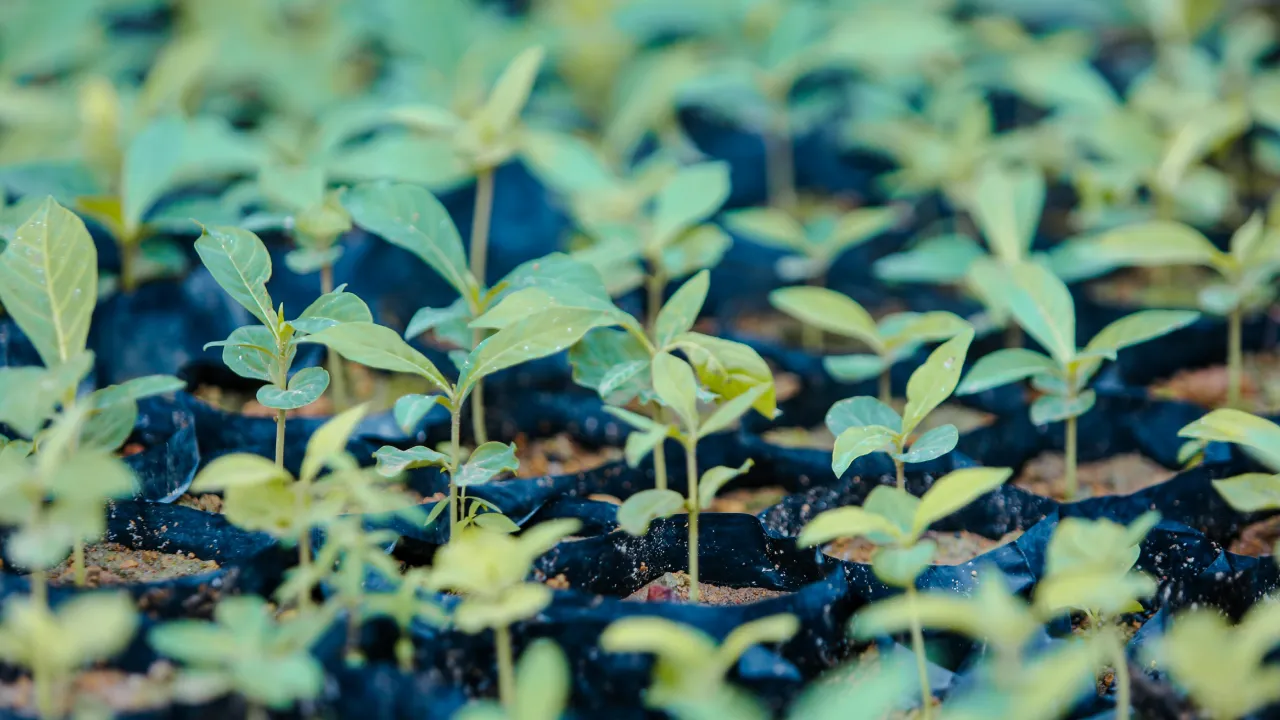
Using over 100 native tree species, including 16 that are endangered, the project aims to deliver carbon removals, restore biodiversity and create economic opportunities for local communities through nursery operations, reforestation work and sustainable forest-based livelihoods. Founded in 2021, the project now spans 15 farms across the state of Pará and covers some 27,000 hectares.
Why this project exists
The Brazilian Amazon has lost more than 60 million hectares of forest over recent decades, much of it converted to cattle pasture. This is equivalent to around 15% of the Amazon rainforest, which still covers approximately 550 million hectares across nine countries and remains one of the world’s largest carbon and biodiversity stores. Brazilian Amazon states such as Pará contain large areas of degraded land alongside continued deforestation pressure and limited formal rural employment opportunities.
Founded in 2021, Mombak aims to create an economic case for restoring these landscapes at scale. By acquiring or partnering on degraded pastureland and financing restoration through the sale of carbon removal credits, the project aims to make forest restoration financially viable where market incentives alone would not suffice.
Development and multilateral banks have provided significant support for the project. Mombak was the first reforestation company to access a US$19 million Fundo Clima loan from the Brazilian Development Bank (BNDES), while the World Bank’s Reforestation-Linked Outcome Bond is directing a further $36 million to the project. The project also aligns with several Brazilian public policies, such as Planaveg – Brazil’s target to restore 12 million hectares of native vegetation by 2030.
The project recognises that long-term restoration depends on community support. Local hiring, stakeholder consultation, fire prevention initiatives and grievance mechanisms have been incorporated into project design from the outset.
How integrity is delivered
The project combines scientific monitoring, long-term commitments and structured community engagement to support high-integrity carbon removals. It uses a dynamic baseline that reflects the likely continuation of extensive cattle ranching on degraded pastureland and demonstrates financial additionality through the dependence of large-scale restoration on carbon revenues.
Carbon removals are quantified through an integrated monitoring system combining field inventories, satellite imagery and airborne LiDAR surveys. These data are used to estimate biomass and carbon stocks and are subject to independent third-party verification.
The project also manages permanence risks through fire prevention measures, long-term land agreements, leakage mitigation and high-diversity planting. During the 2025 dry season, a community-based fire prevention programme engaged 225 people, and no productive hectares have been lost to fire since operations began.
Community input is incorporated through pre-implementation consultation, annual stakeholder engagement plans and a formal grievance mechanism that accepts submissions by phone, WhatsApp, email and other channels. The project also undertook due diligence to avoid impacts on Indigenous territories, settlements and subsistence activities, with 100% of the project being developed on private land.
People, climate and nature outcomes
Across its reforestation portfolio, Mombak has planted approximately 15 million seedlings by the end of 2026. The grouped project began issuing carbon credits in mid-2026 and is expected to generate more than seven million tonnes of carbon removals during its crediting period.
Biodiversity restoration is central to the project’s design. More than 100 native species are used in restoration activities, including over 400,000 trees from 16 endangered species such as Mogno da Amazônia, Cedro, Ipê-Amarelo and Itaúba. According to Mombak, the planting design combines recovery and diversity species to accelerate canopy closure and promote long-term structural complexity while avoiding monocultures.
The project has also generated substantial local employment. Approximately 600 direct jobs have been created so far, predominantly filled by people from nearby municipalities, including former cattle-ranch workers. According to Mombak, this represents seven to eight times the employment intensity of the previous land use, in addition to the increased quality of life for workers, driven by compliance with all labour laws, which is not always practiced by traditional cattle ranching in the Amazon.
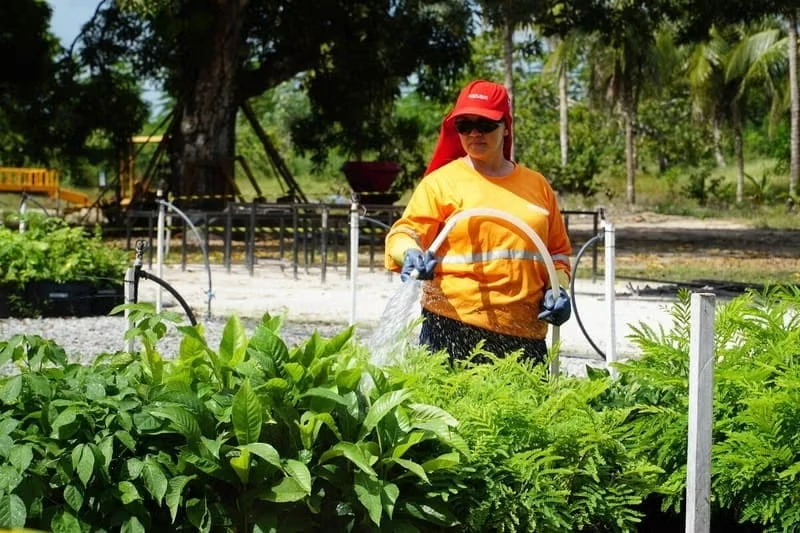
Women have benefited from new opportunities in nursery and field operations, helping expand their access to formal-sector employment in rural areas.
Community participation extends beyond employment. For example, Mombak has helped design Brazil’s first secondary-school technical course in forest reforestation with the Pará state government and other entities – helping equip youth with skills for climate-resilient livelihoods.
“Sometimes I think about who I am today. I have transformed myself. This job has allowed me to achieve many things. I now say I am an independent woman, an empowered woman.”
MONICA SILVA
Nursery worker, Turmalina farm.
Challenges and learning
The project has faced and overcome several challenges. One has been the limited availability of scientific literature on long-term carbon sequestration from large-scale native-species restoration in the Amazon. Mombak responded by applying conservative assumptions and conducting extensive restoration experiments to strengthen the evidence base, resulting in about 500 hectares of experiments and one of the largest research programs in native species in the world.
Land-titling complexity remains a significant challenge across the Amazon and requires extensive legal due diligence before project implementation.
Restoration has also highlighted a few unexpected challenges. As wildlife returns to previously degraded areas, some local residents have expressed concerns about increased encounters with species such as snakes and large cats. The project has found that continued engagement and education are essential for maintaining local support while biodiversity recovers.
Broader relevance
The project demonstrates how high-integrity, native-species restoration can be financed at scale on degraded Amazon pastureland without relying on philanthropy. It combines private investment, public finance, scientific monitoring and community engagement to support long-term restoration.
Its experience also highlights an important lesson for large-scale restoration efforts: environmental and social outcomes are closely linked. Local employment, community participation, access agreements and stakeholder engagement are not simply co-benefits. They can help strengthen the long-term durability of restoration activities and reduce the risk of reversals in carbon removals.
“Mombak is working to make carbon removals more accessible and cost-effective while providing the highest integrity credits possible. This makes our day-to-day work extremely challenging, and also extremely stimulating.”
DAN HARBURG
Chief Commercial and Product Officer, Mombak.
.
Learn more about Afforestation, Reforestation, and Revegetation (ARR)
The world’s forests provide one of our largest natural carbon sinks, but over one-third have been lost to human or natural causes.
ARR is a climate solution that sequesters carbon by increasing forest cover: planting trees and shrubs or assisting natural vegetation.